With a population that has never exceeded 1,200 residents, the village of Hamden, Ohio stands as a quiet reminder of a once-thriving community now facing gradual decline. Its businesses, diners, infrastructure, and even its population reflect the effects of time and economic change. Decades ago, Hamden flourished alongside nearby towns, supported by coal mining, railroads, and local farms. But as mines closed and industries moved out during the 1960s and 1970s, the village began to fade. On the outskirts of Hamden sits my family’s farm, established in 1952 by my grandfather, Rev. Arthur “June” Maloy. For three generations, my family has lived on this land, witnessing the village’s transformation firsthand. Through this personal documentary, I explore what it means to continue living on the edge of a community that has changed so dramatically and why my family has chosen to stay even as much of what once sustained the village has disappeared. How can the story of Hamden’s past and present be understood through my family’s experience and my own perspective growing up alongside it?
This documentary weaves together archival photographs from community members, the Hamden Historical Society and Lawrence “Sonny” McWhorter, along with historical videos. These materials will be paired with present-day footage of Hamden to visually trace the village’s evolution. While the documentary is not solely focused on individuals, it does include interviews and reflections from my family and myself, offering a personal account of life on a third-generation farm and our memories of what the village once was.
By juxtaposing archival and contemporary imagery, this documentary demonstrates how Hamden has transformed over time while interpreting those transformations through my family’s multi-generational experience. This reveals not only the village’s physical and economic changes, but also the enduring values, heritage and sense of identity that explains why residents, including my family, continue to remain.
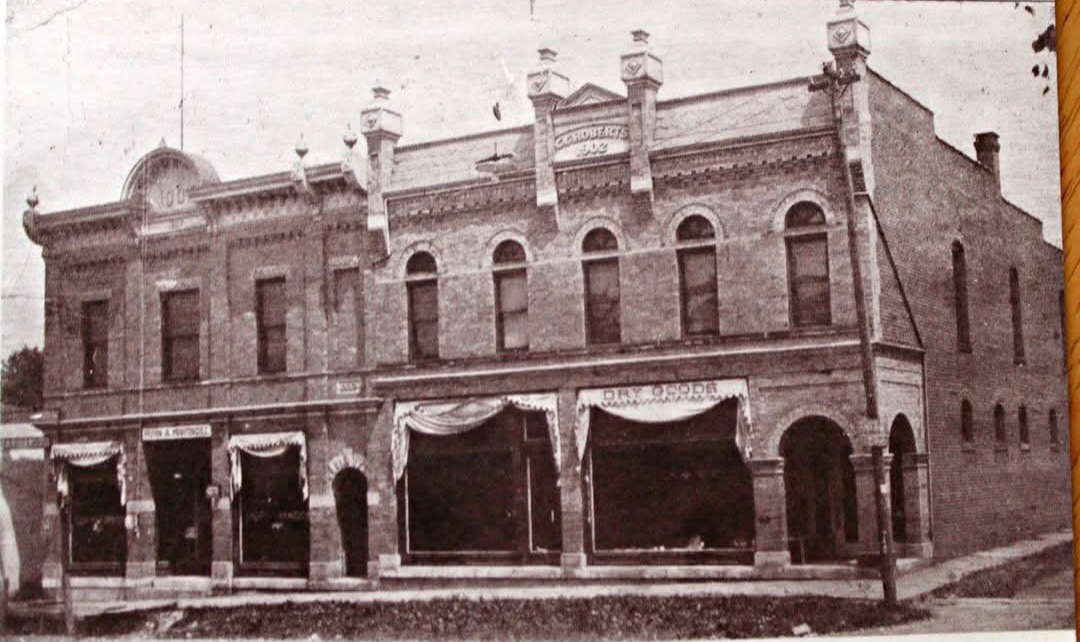
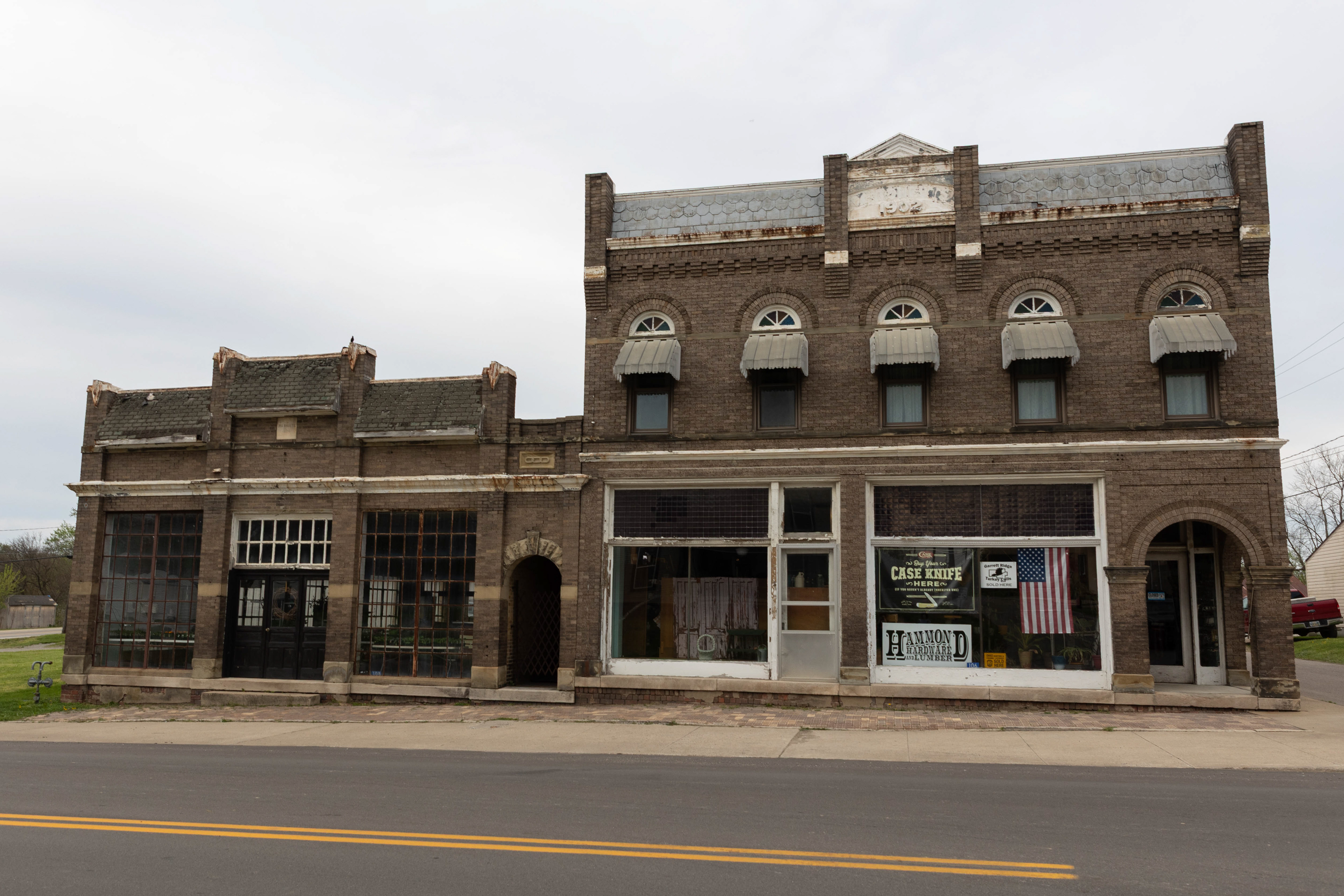
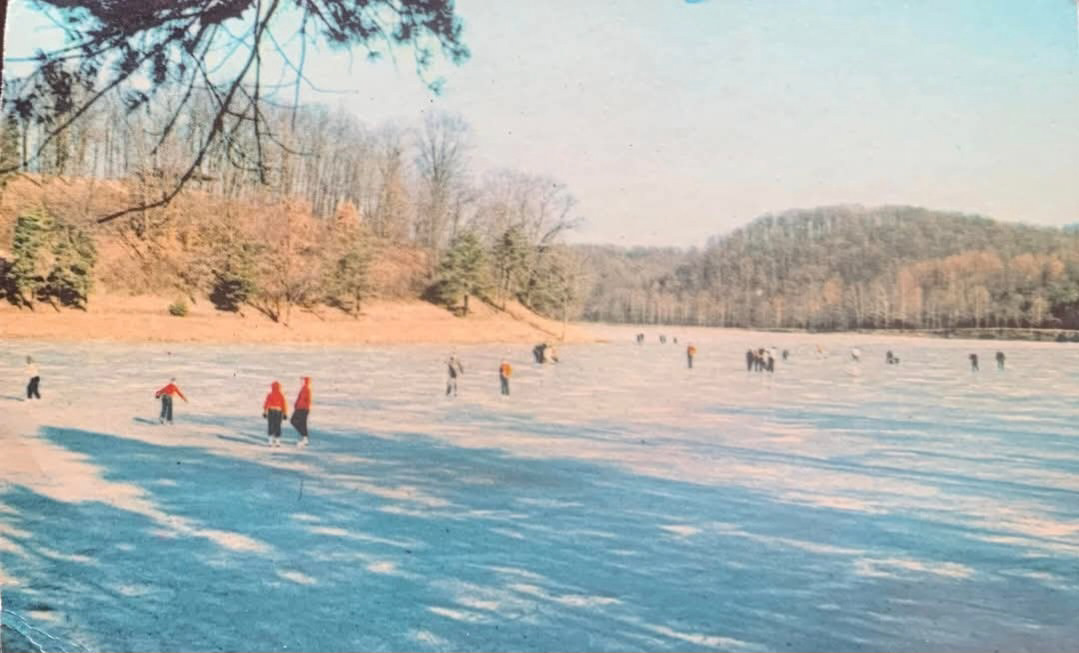
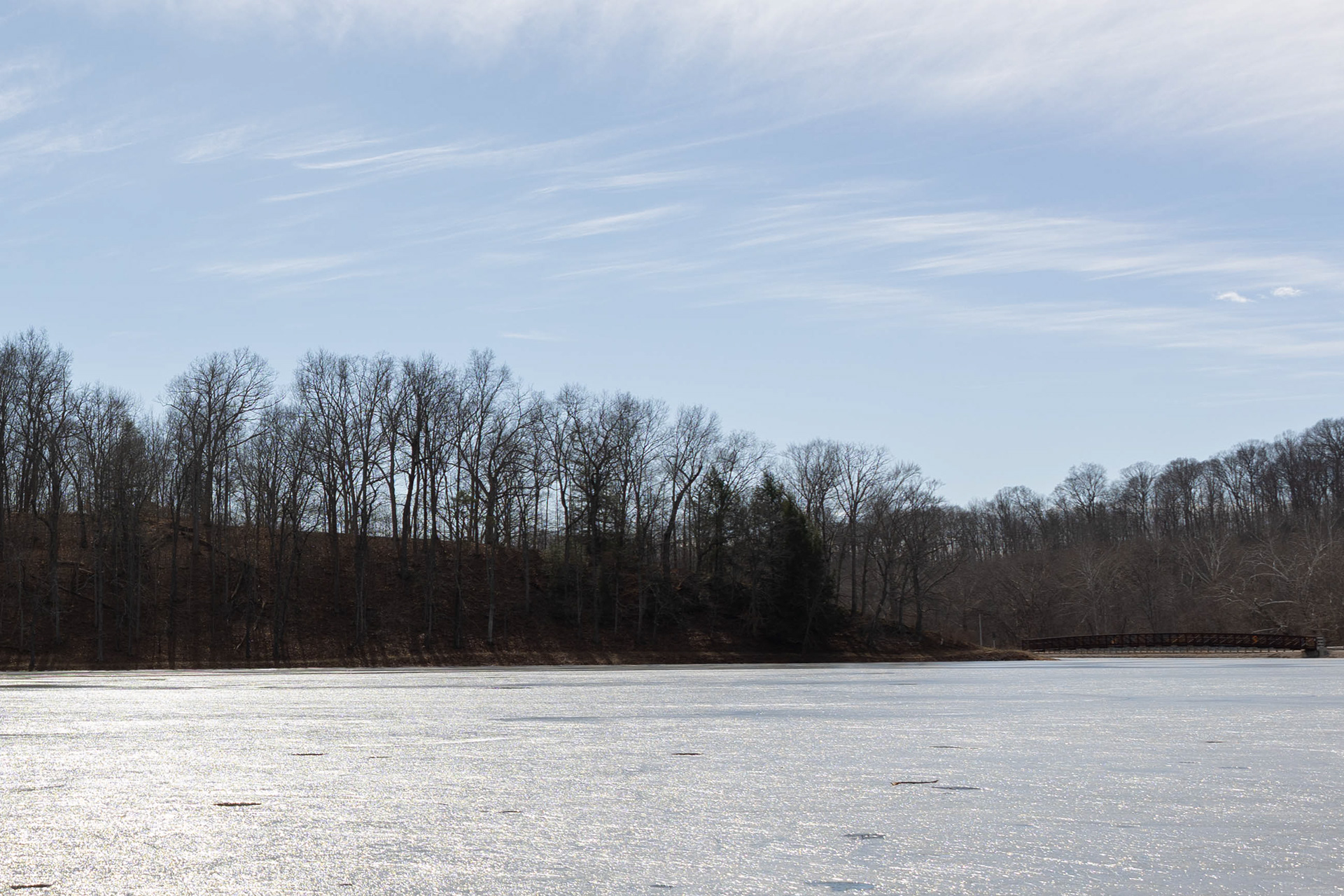
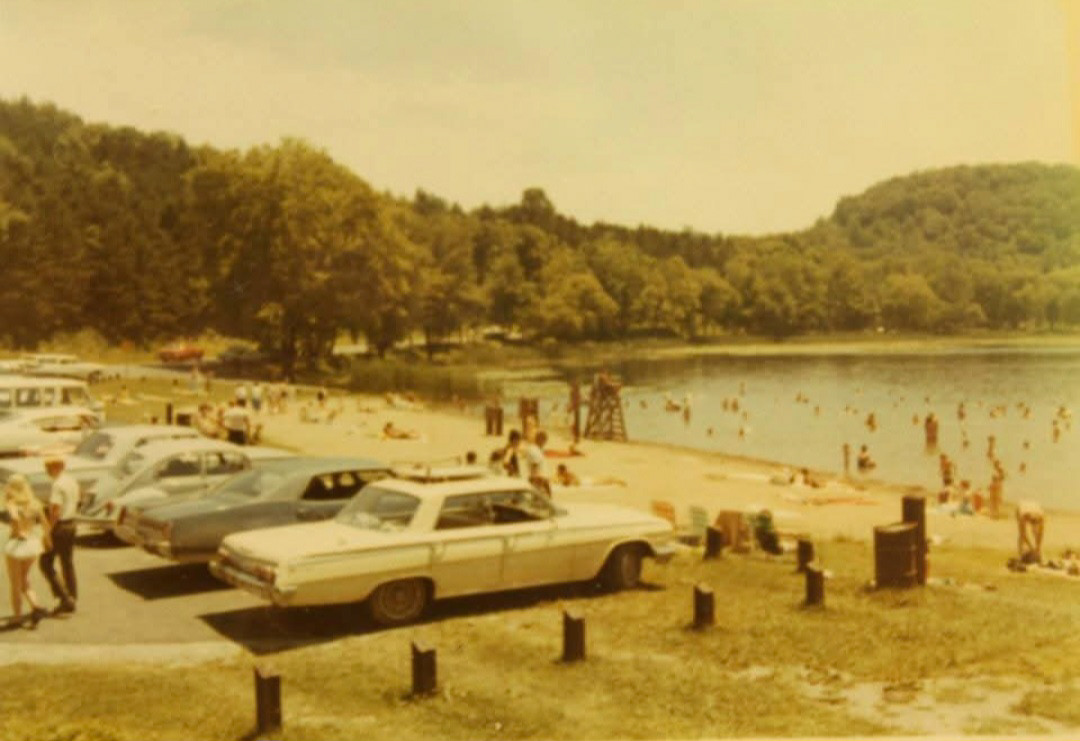
"Used to be a lot of kids would go to the lake after bailing hay all day. Back then, we all had farm work to do, and then at the end of the day, we'd jump on our bicycles, ride to Lake Alma and go swimming." -Tim Maloy
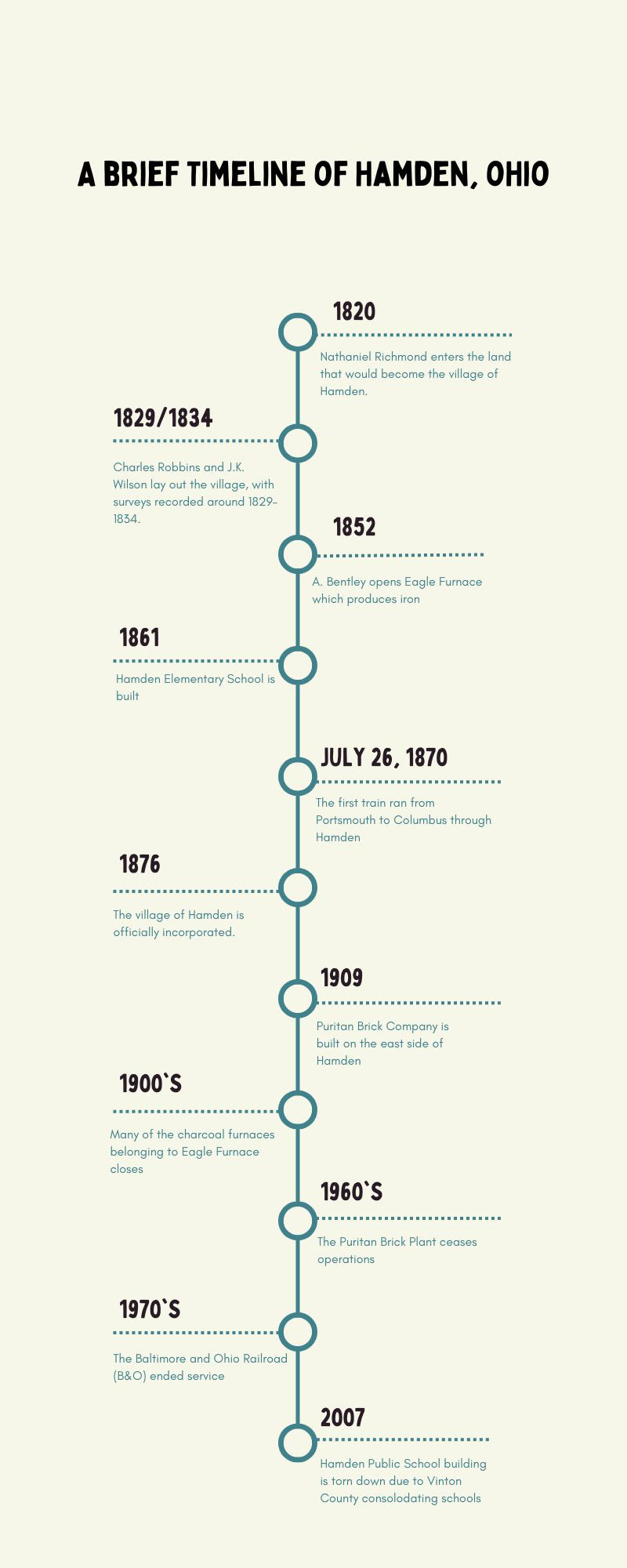
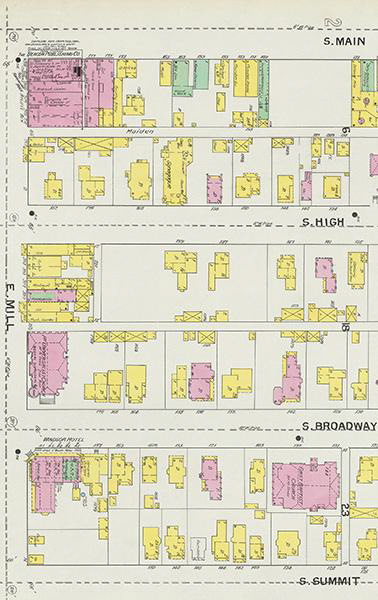
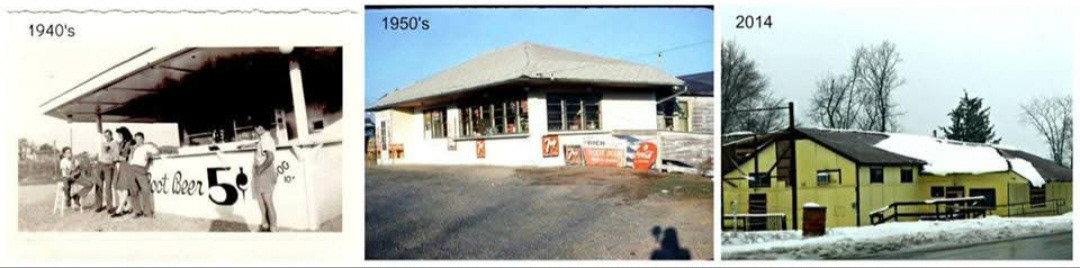
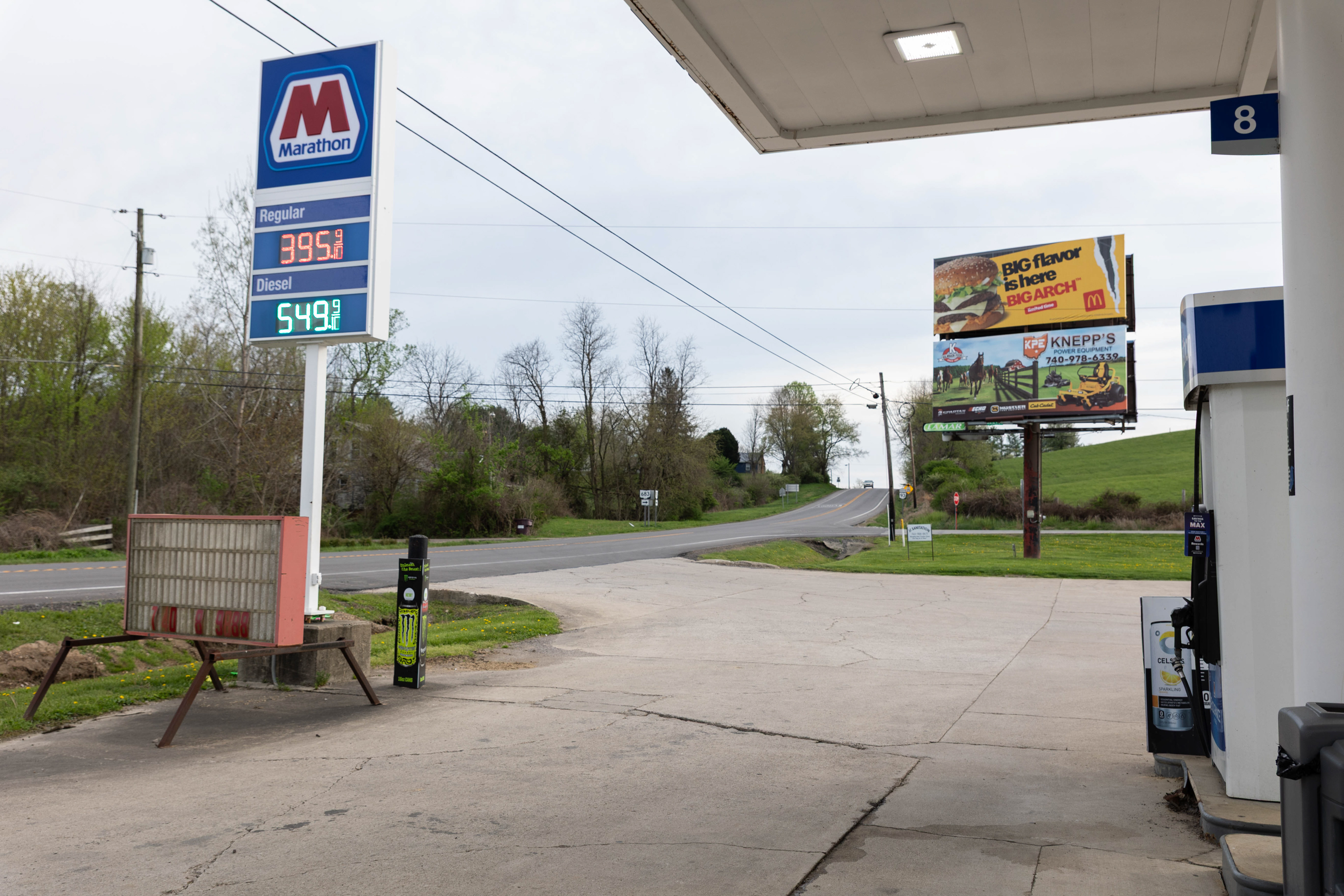
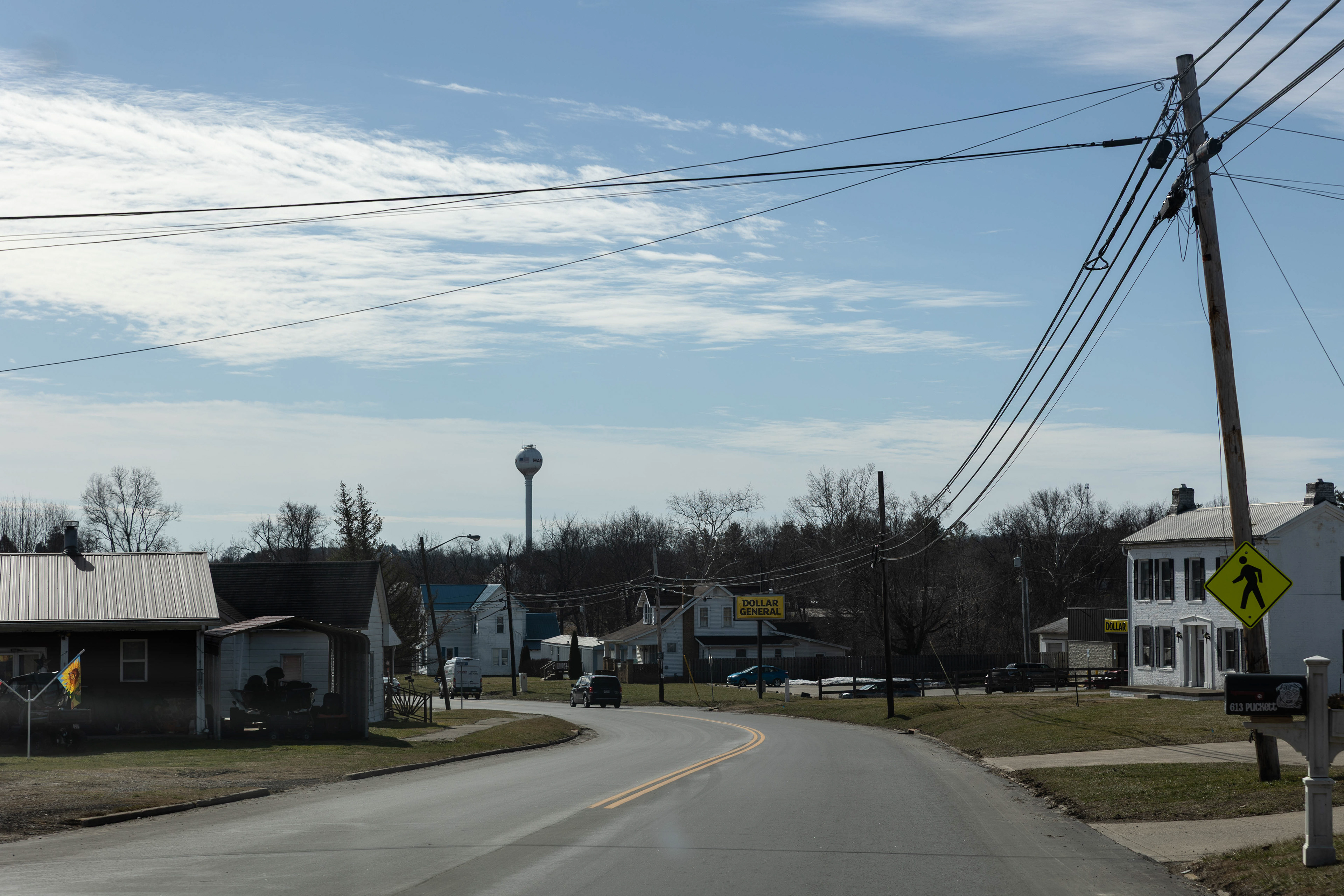
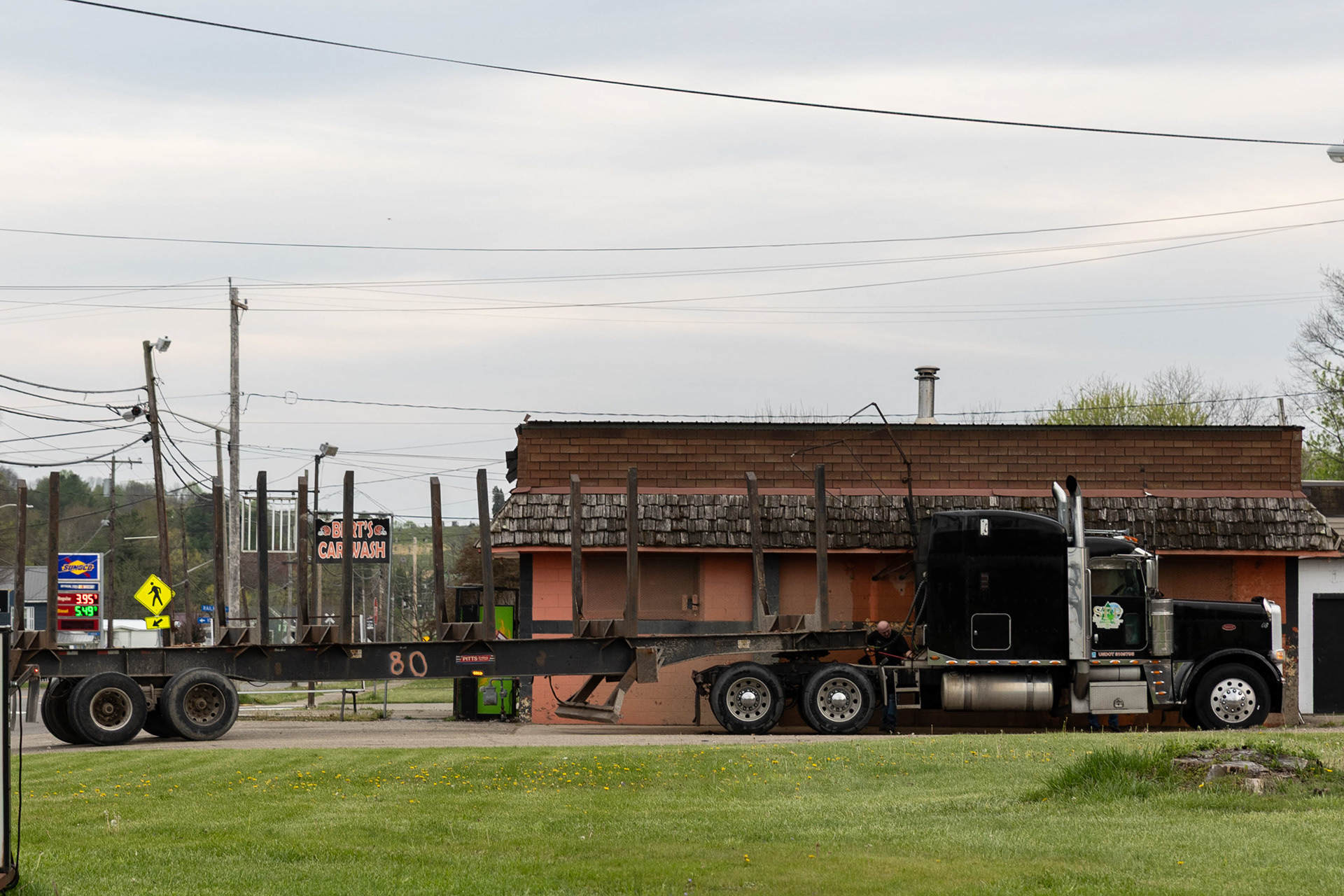
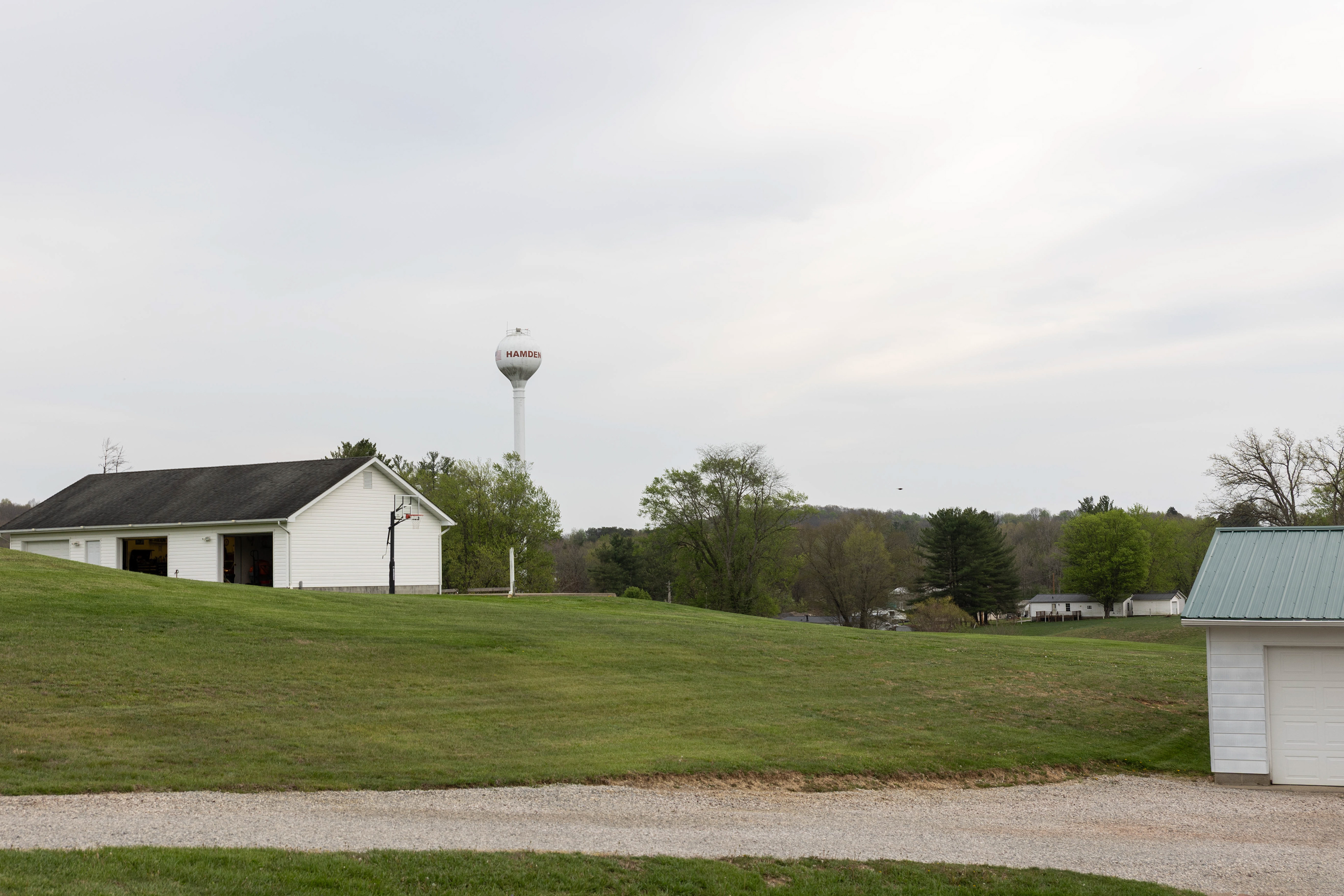
"Though today there isn't much there beyond a gas station and a Dollar General, and drugs and welfare plague the town, it used to be a wealthy place with industries ranging from coal mines and lumber mills to farms and brick furnaces in the 1800's. It's a quiet town, and it allows a good deal of privacy, but there isn't much to do." -TJ Maloy
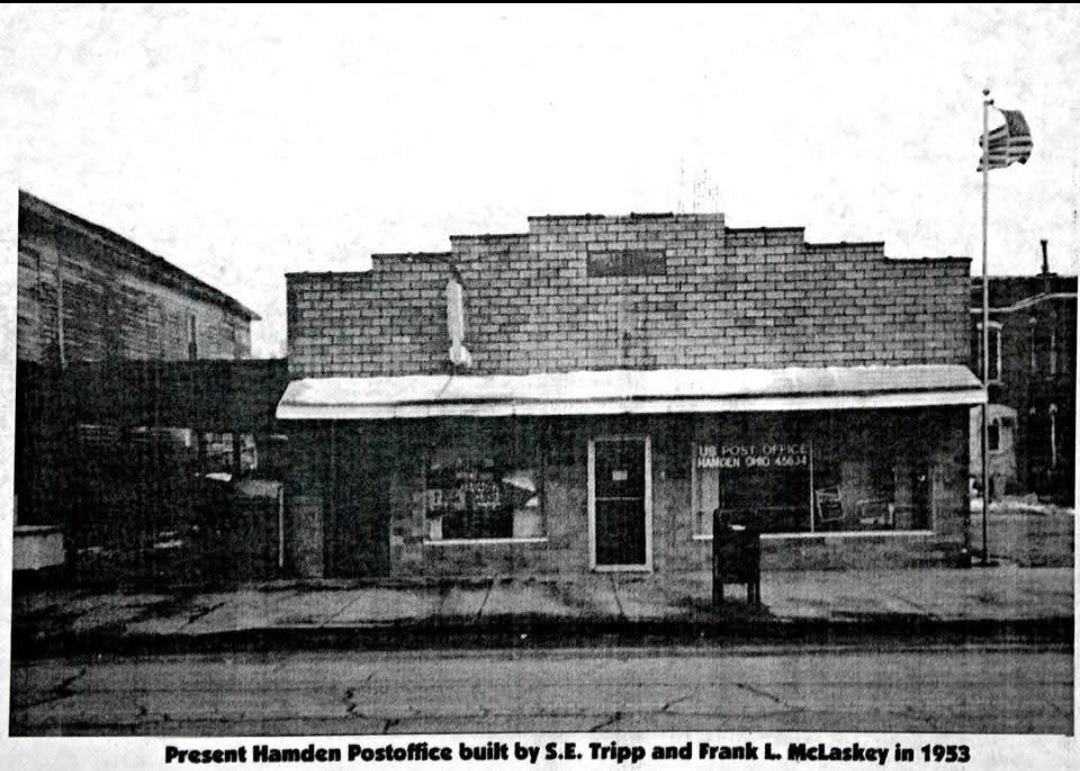
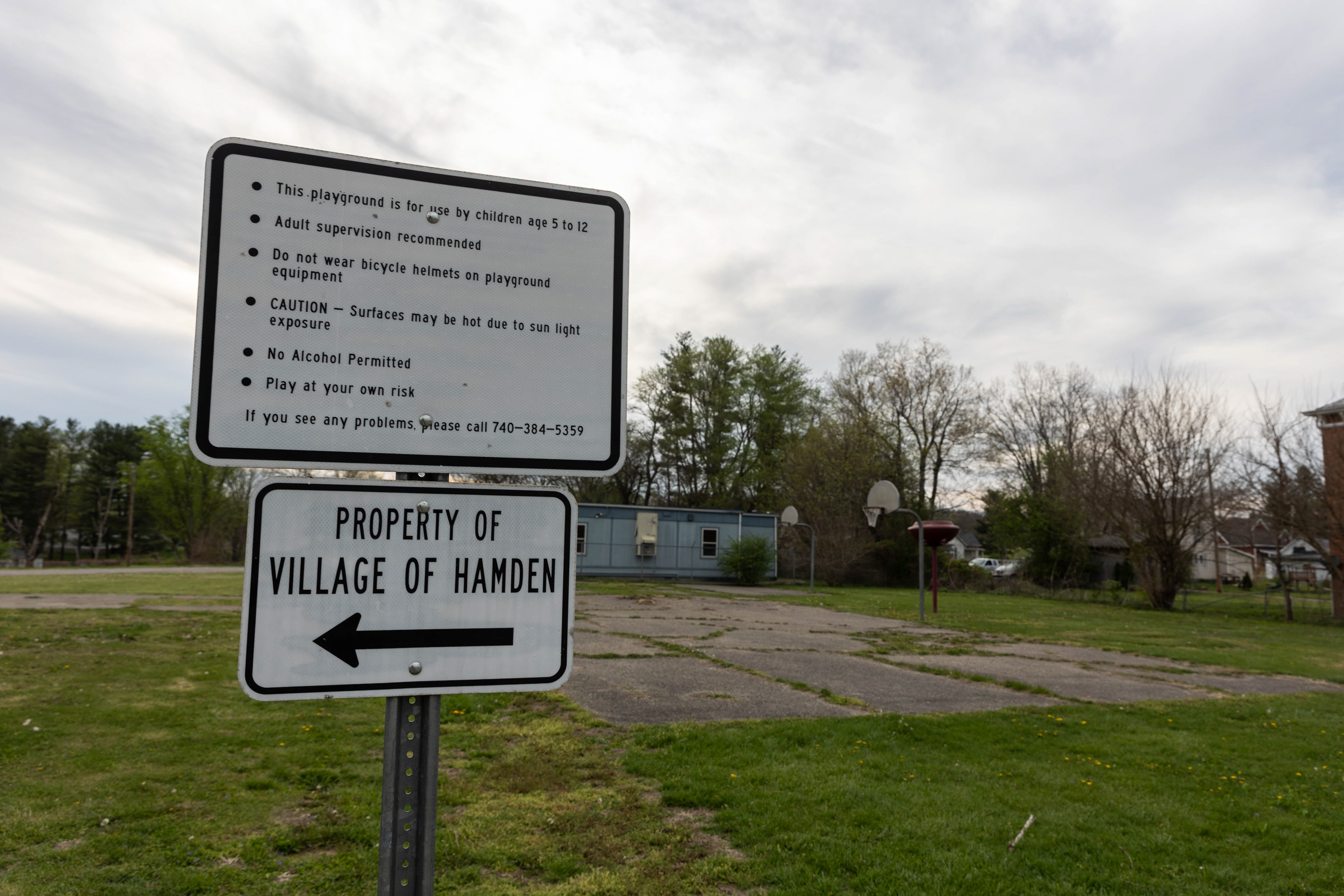
The Post Office
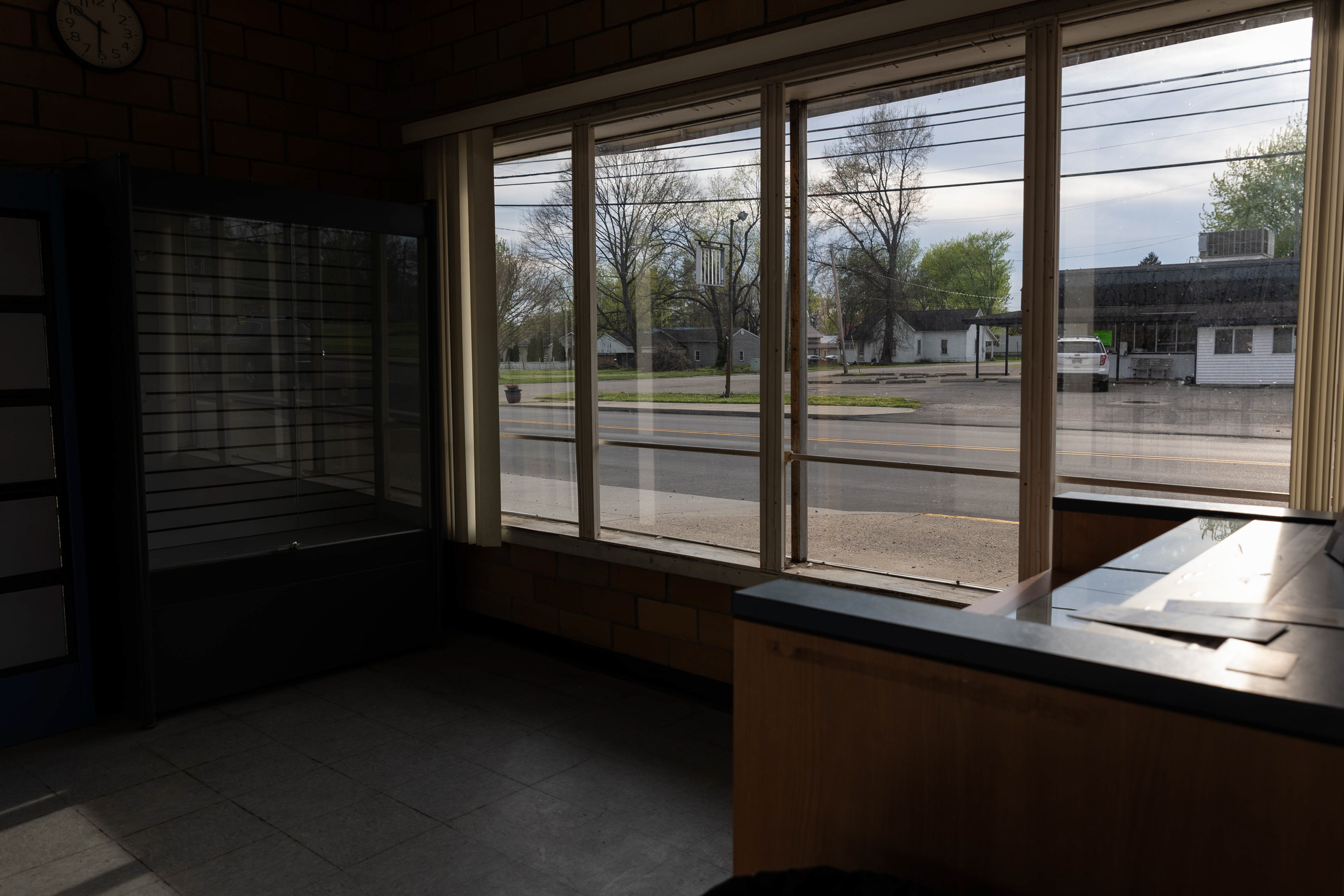

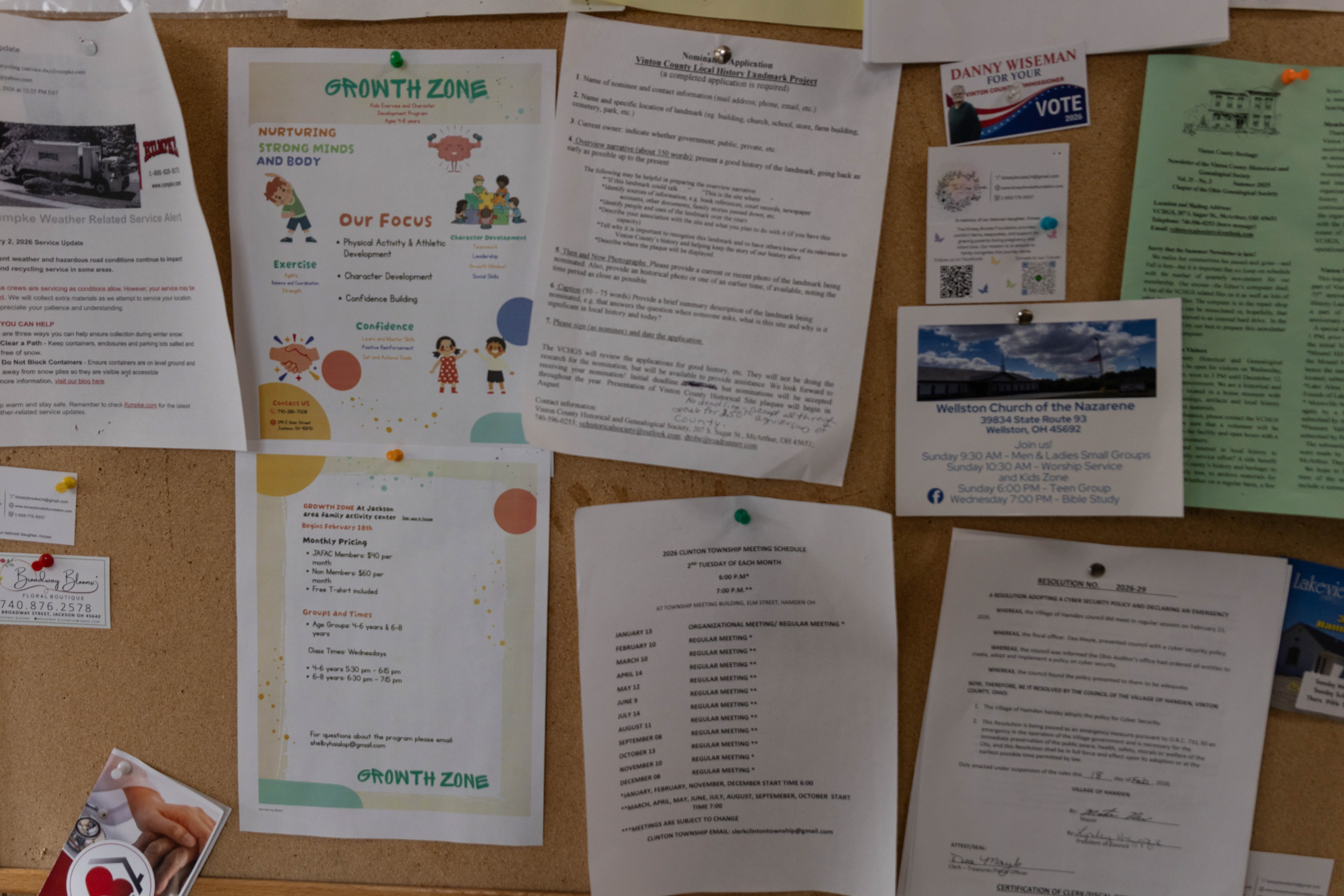
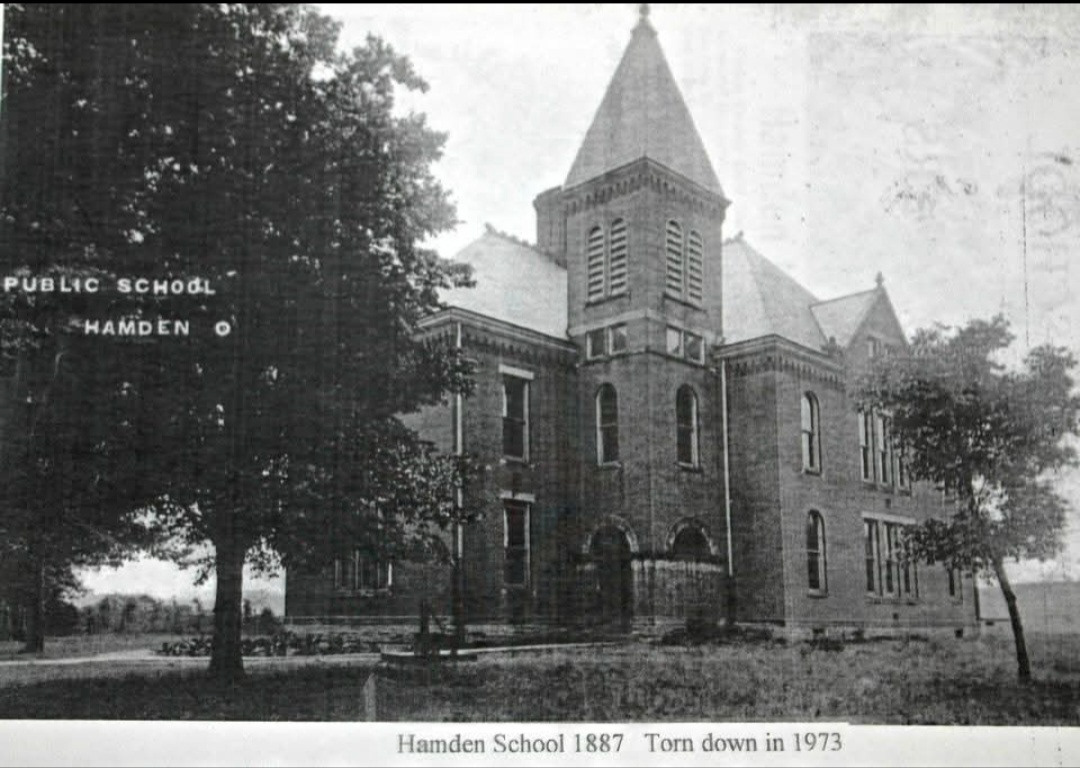
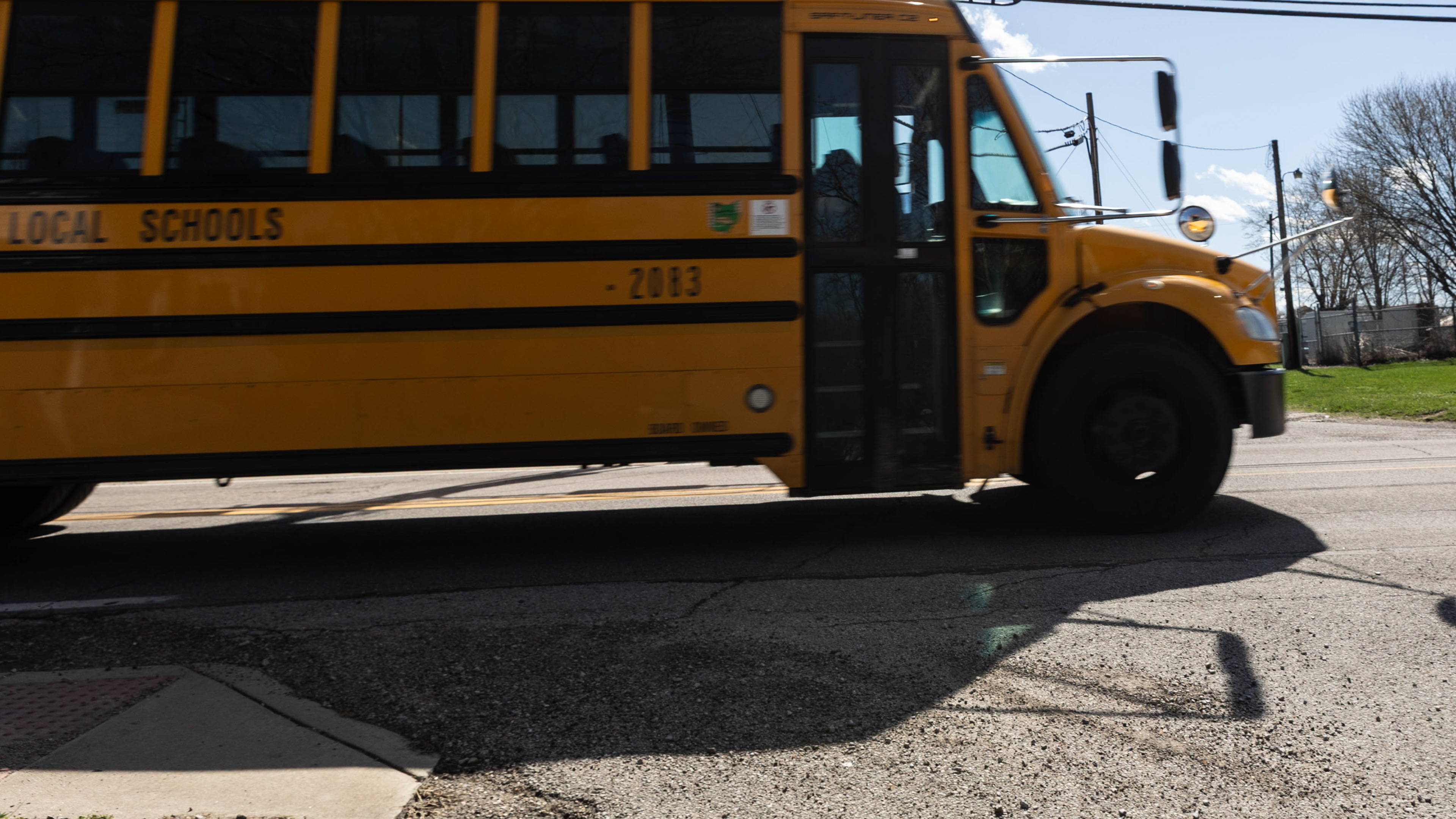
The School
"When I was young, Hamden still had its own elementary and middle school. I was the last 5th grade class to attend that school."-TJ Maloy
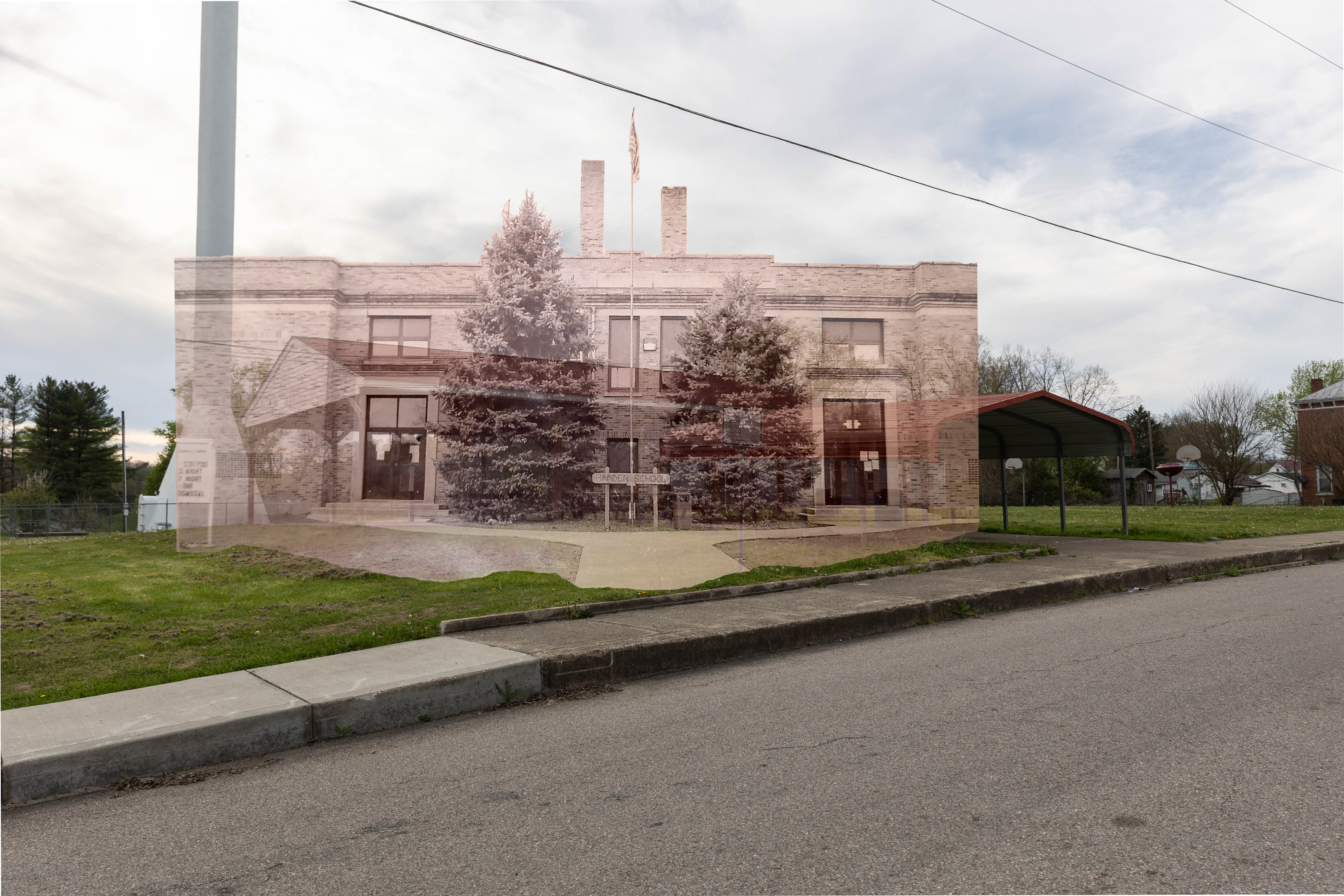
A double exposure of a photo of Hamden Elementary School built in 1973 with a photo of the property as it looks in 2026
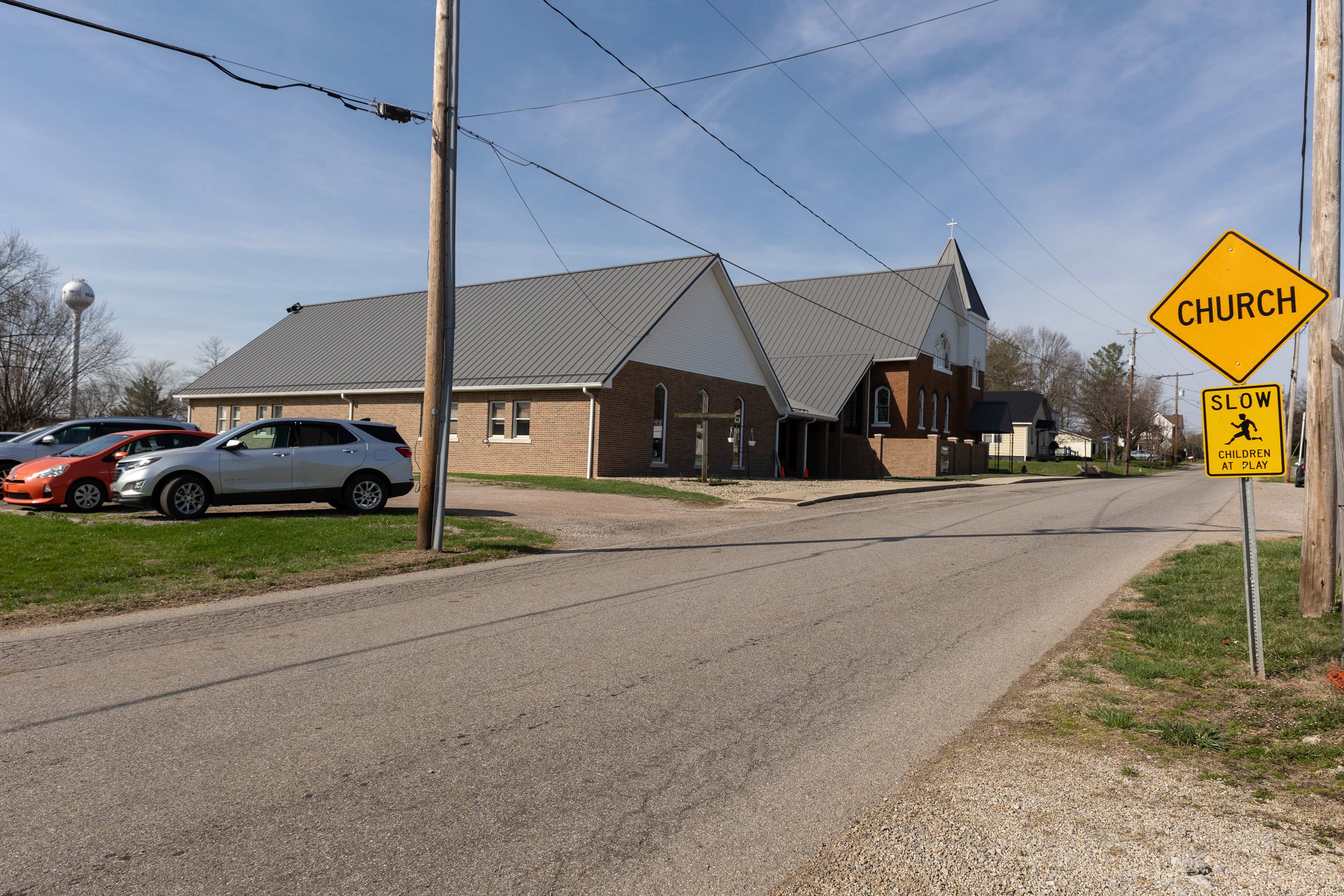
The Churches
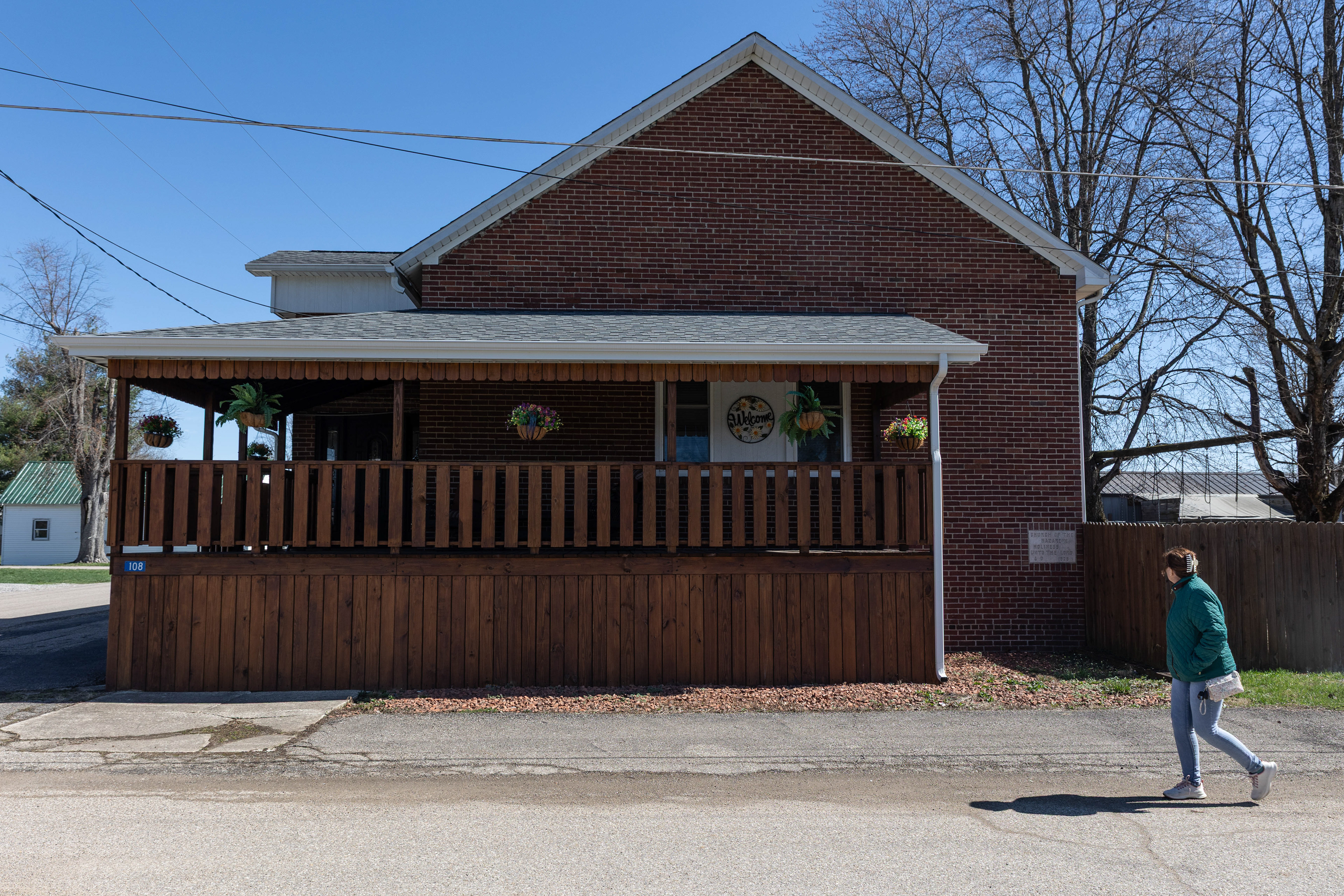
"There are some old churches that are gone, but actually, one of the first churches dad pastored is right there on the corner across from where the fire station's at now."- Tim Maloy
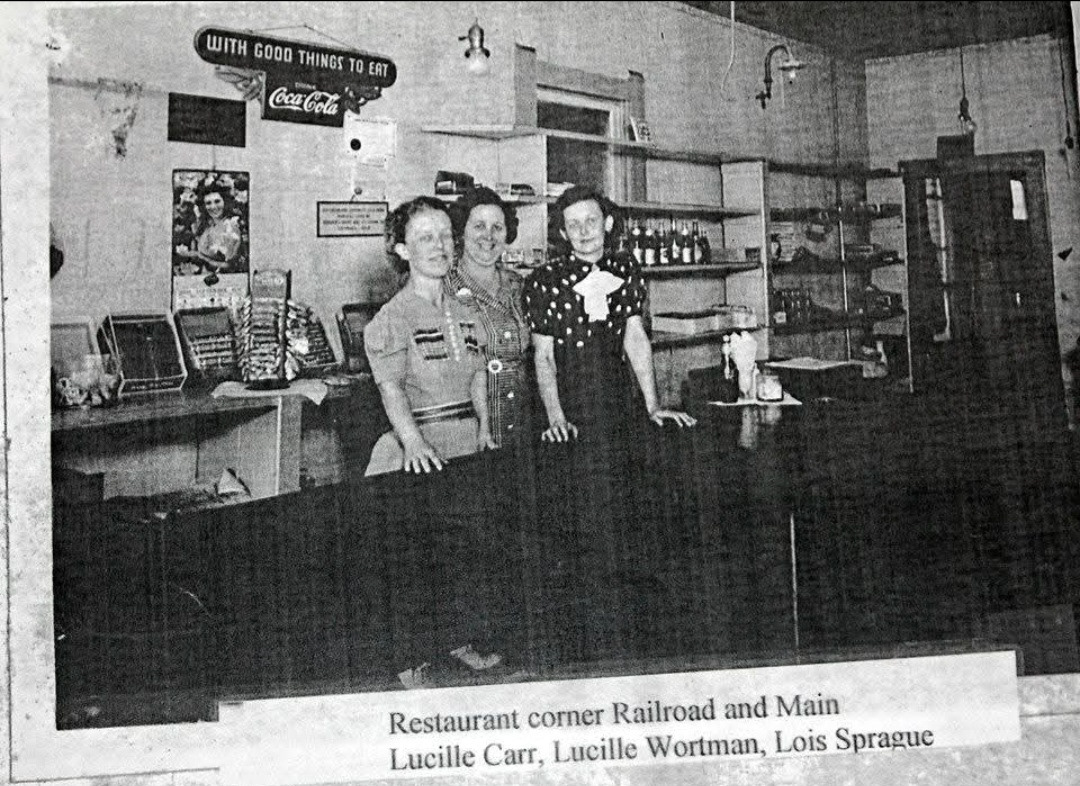
The Diner
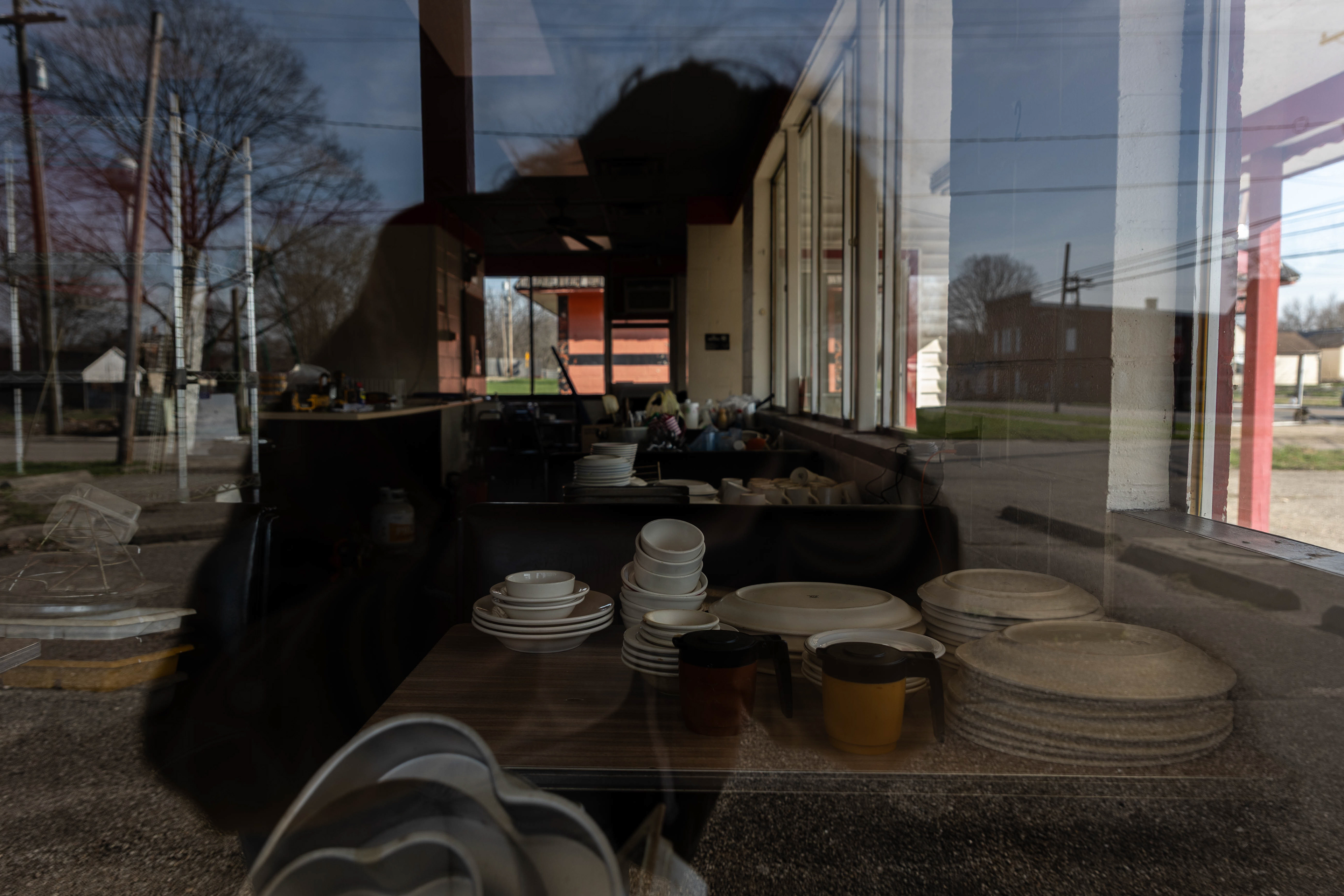
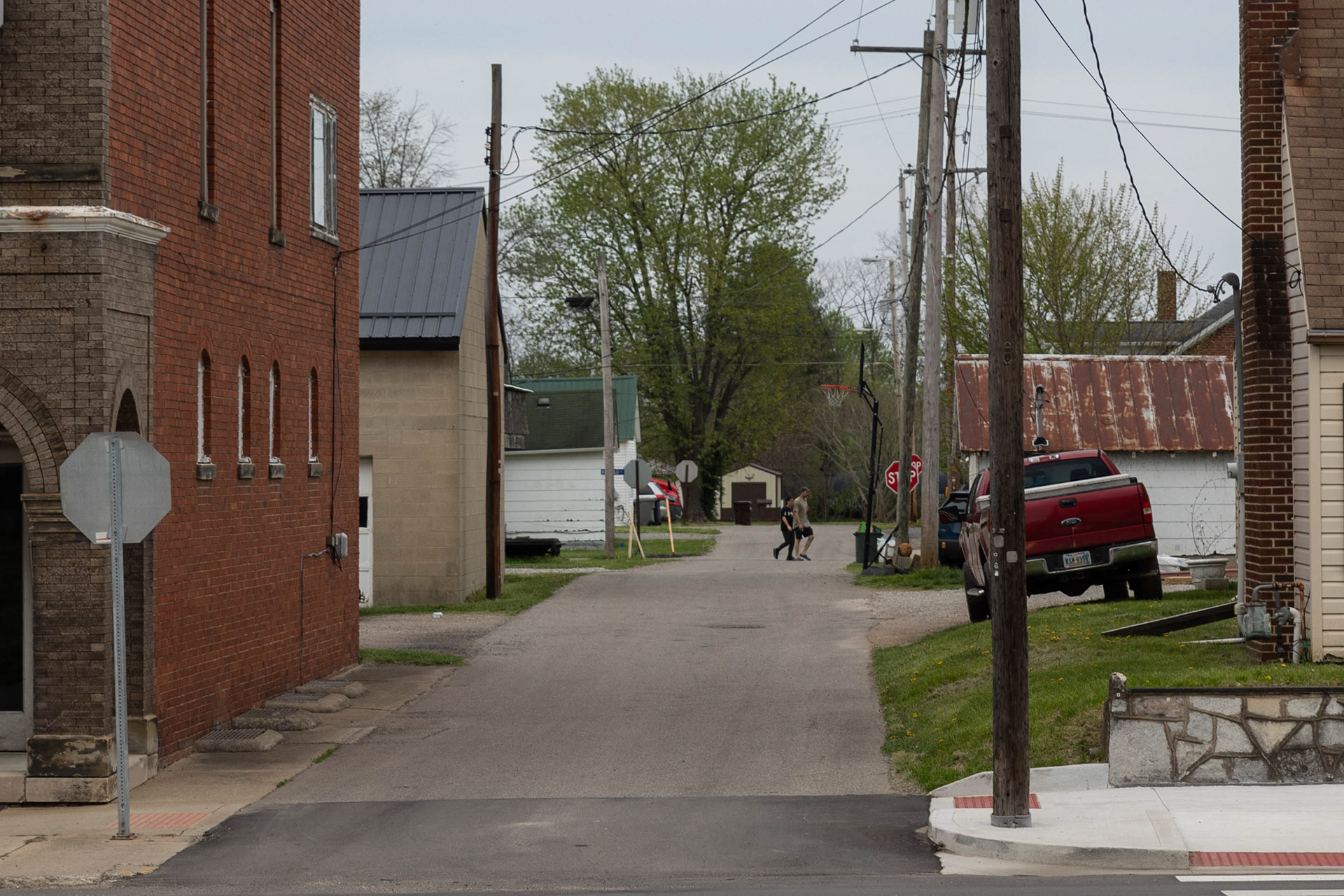
"There was one stop light in the whole town and there was a diner, a hardware store, and a deli store on Main Street. Today all of those things except the hardware store are gone or out of business."- TJ Maloy
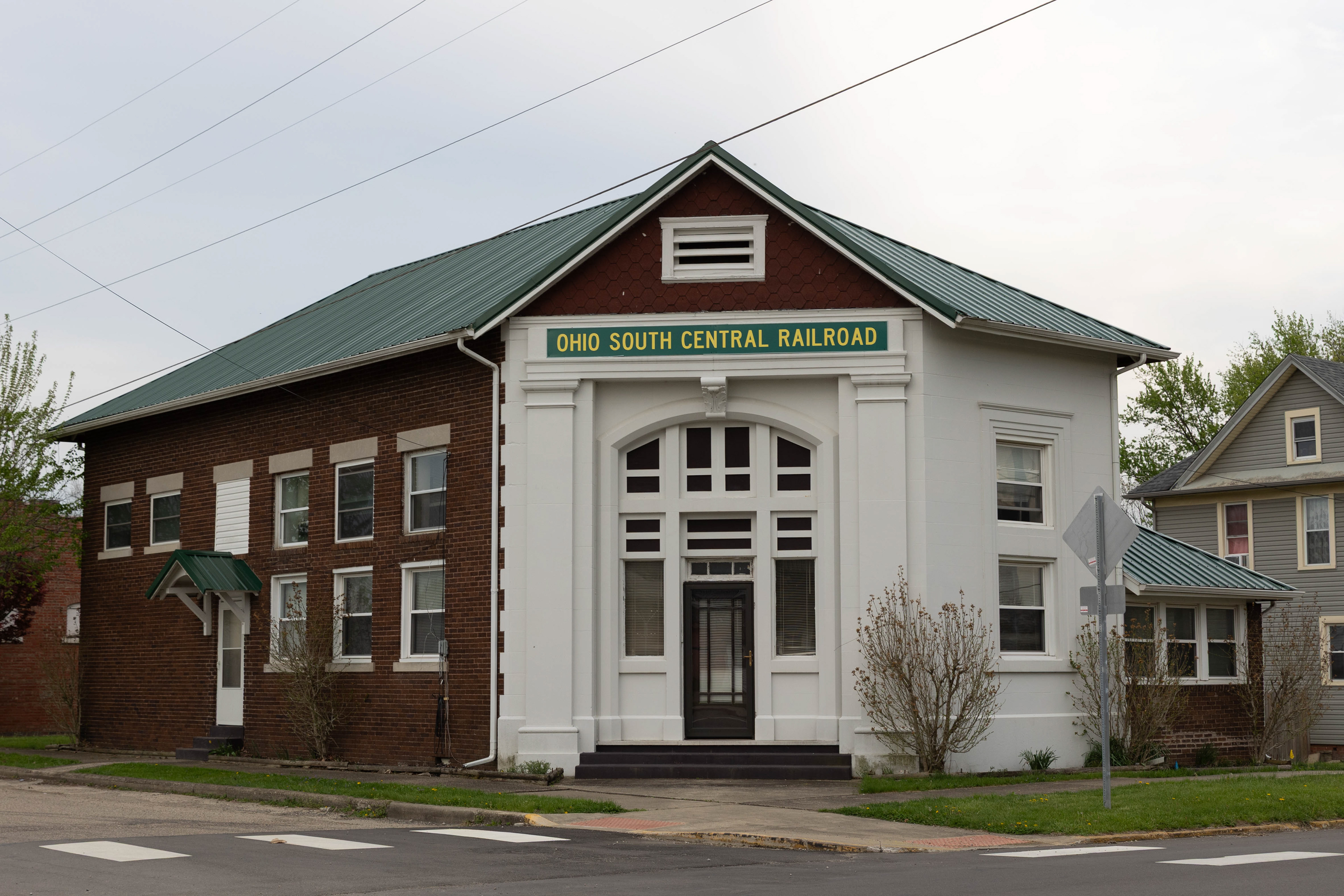
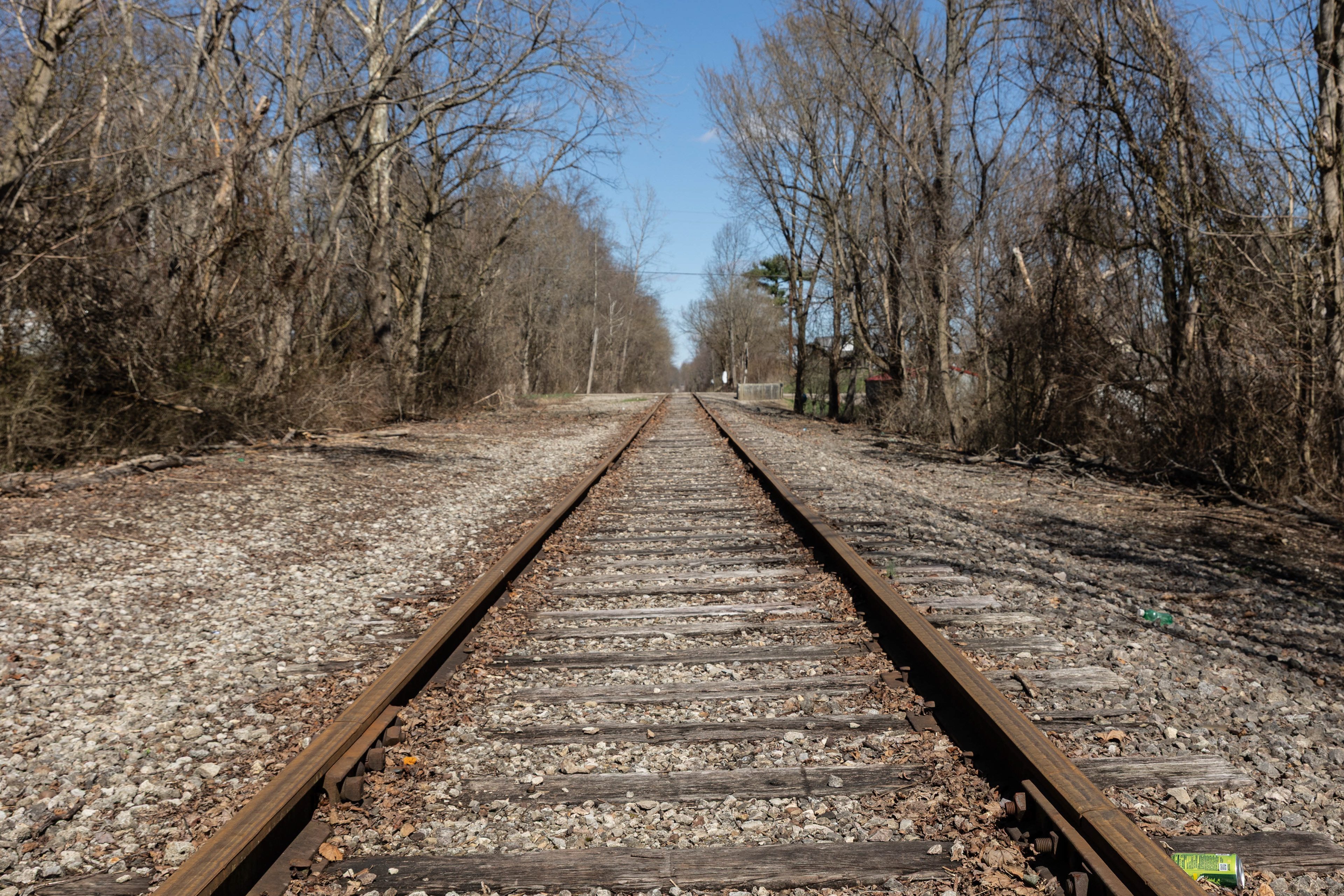
The Railroad
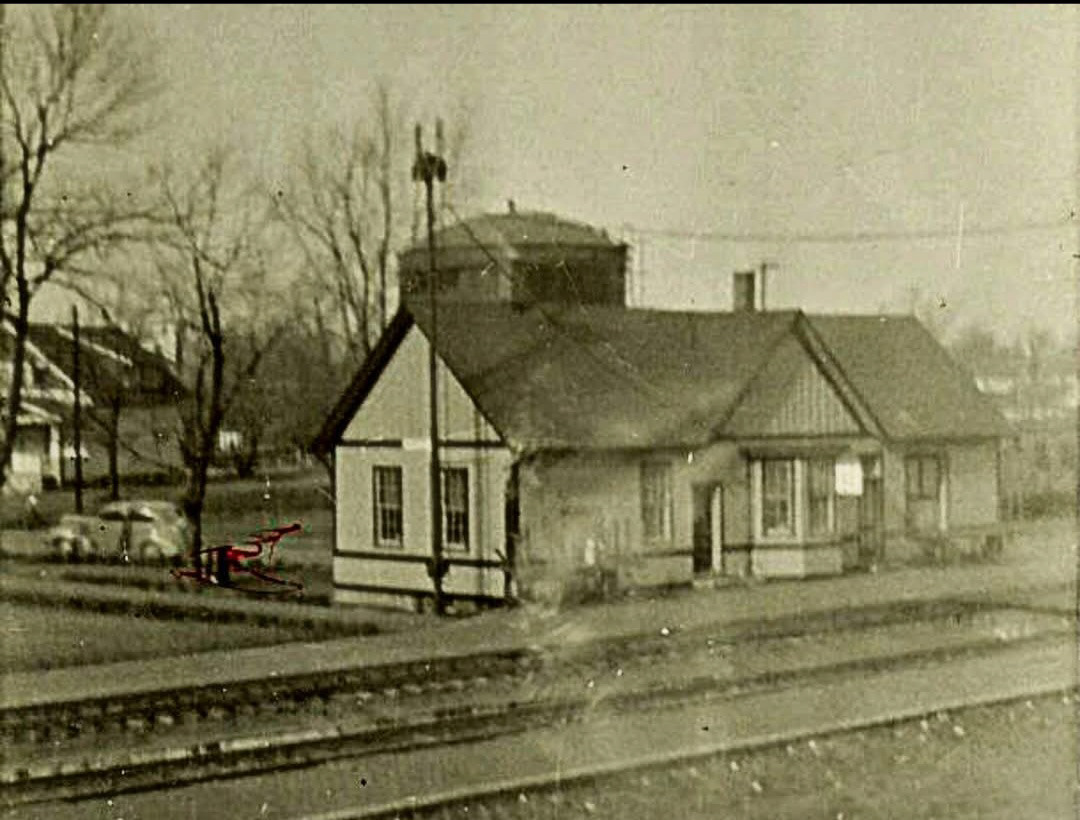
"There were several trains a day coming through here. I remember when I was little, even though the depot was kind of gone, getting stuck at railroad tracks quite often. Trains were long back then too, and I'd count cars just to pass the time. Most of them were well over 100 cars long."-Tim Maloy

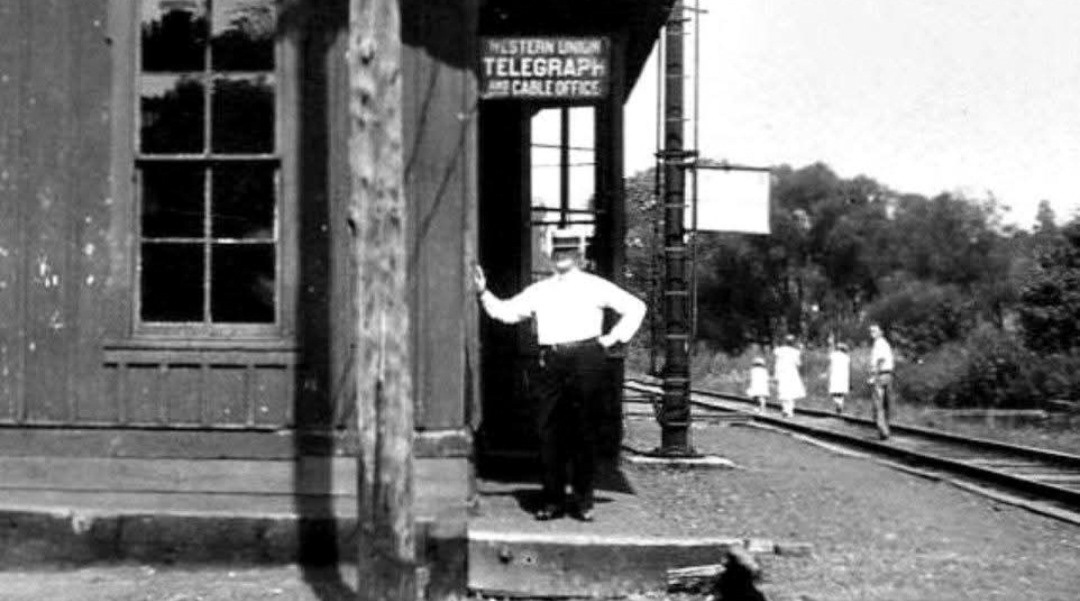
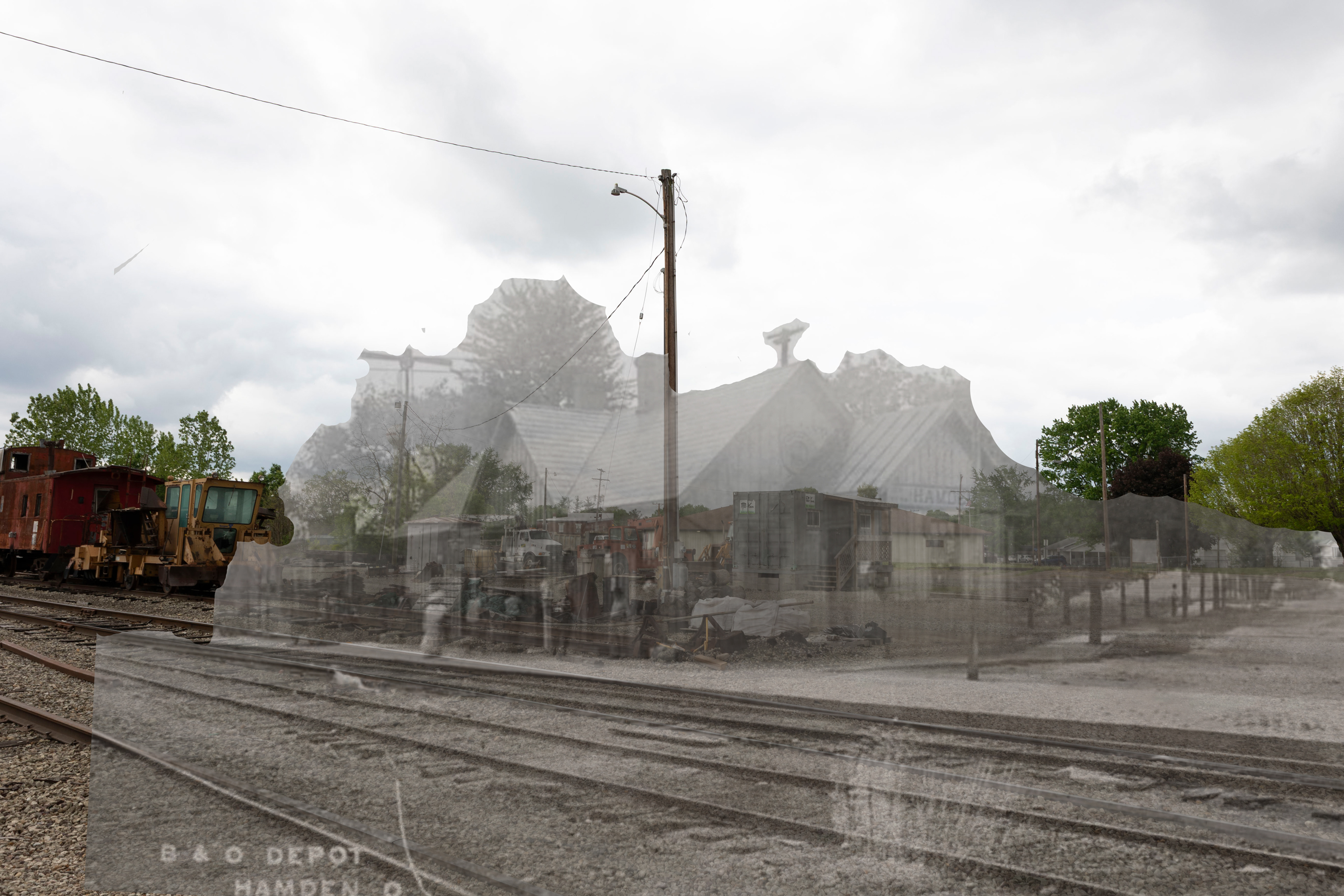
A double exposure photo of the Hamden Train Depot placed over where the foundation still sits in 2026.
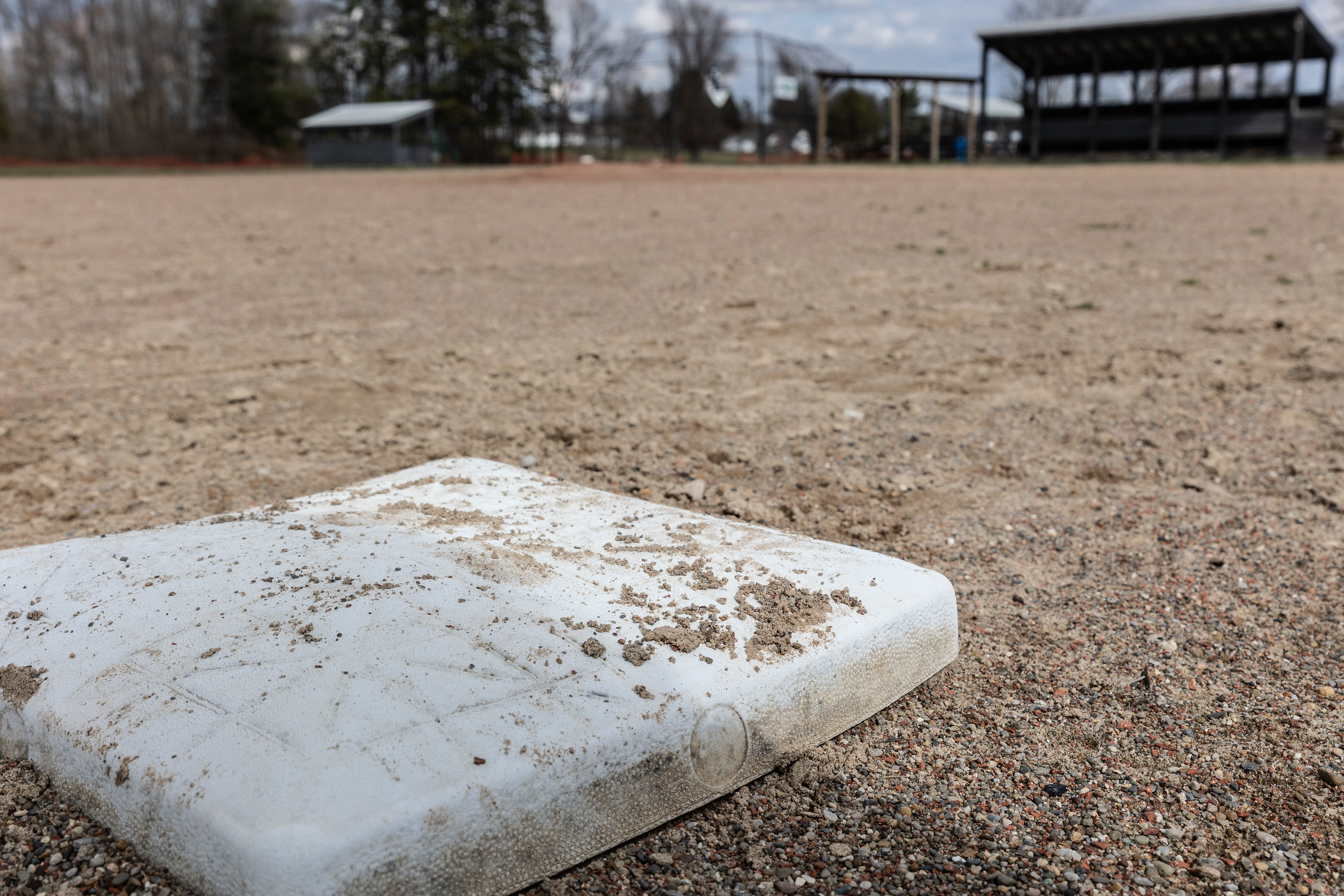
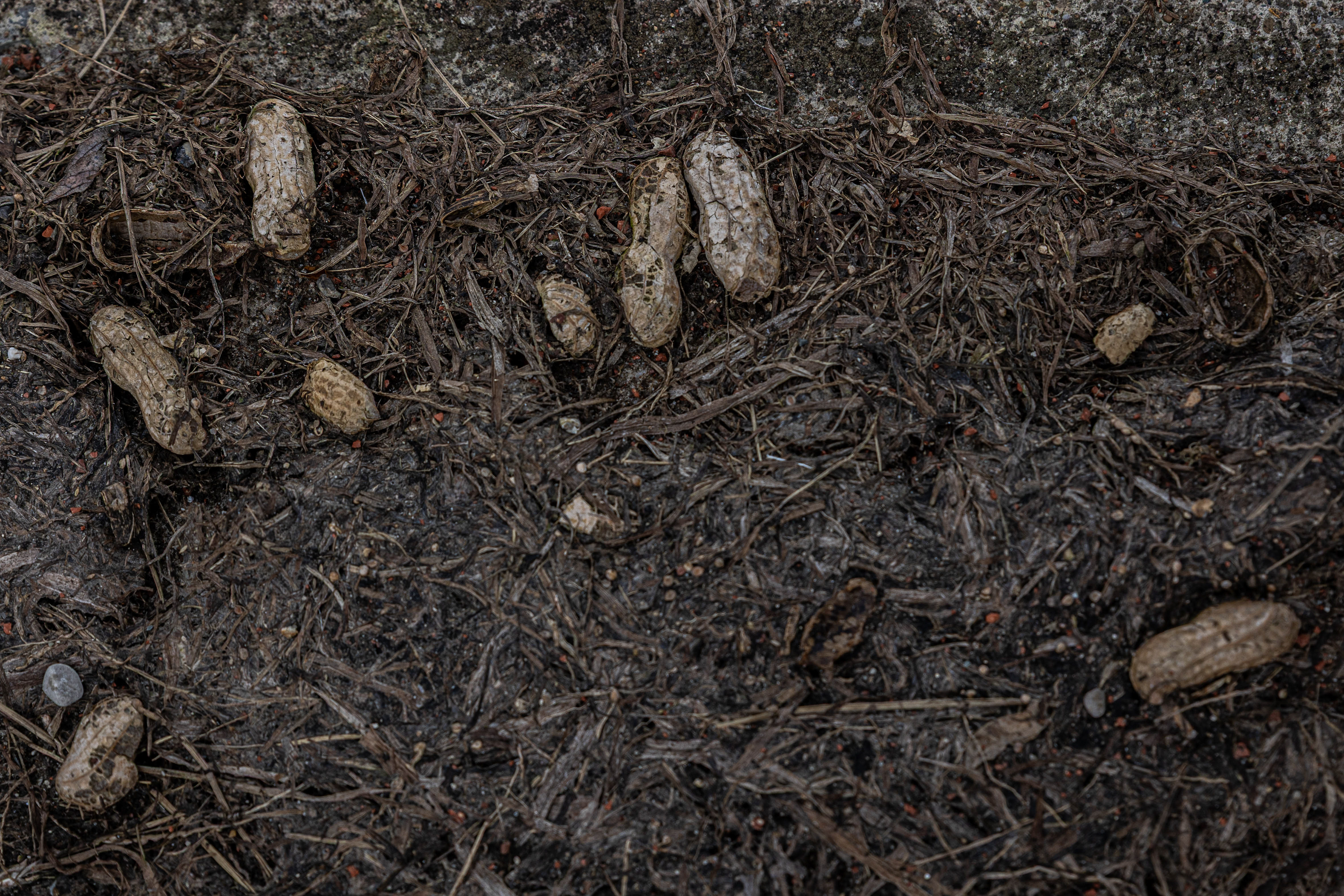
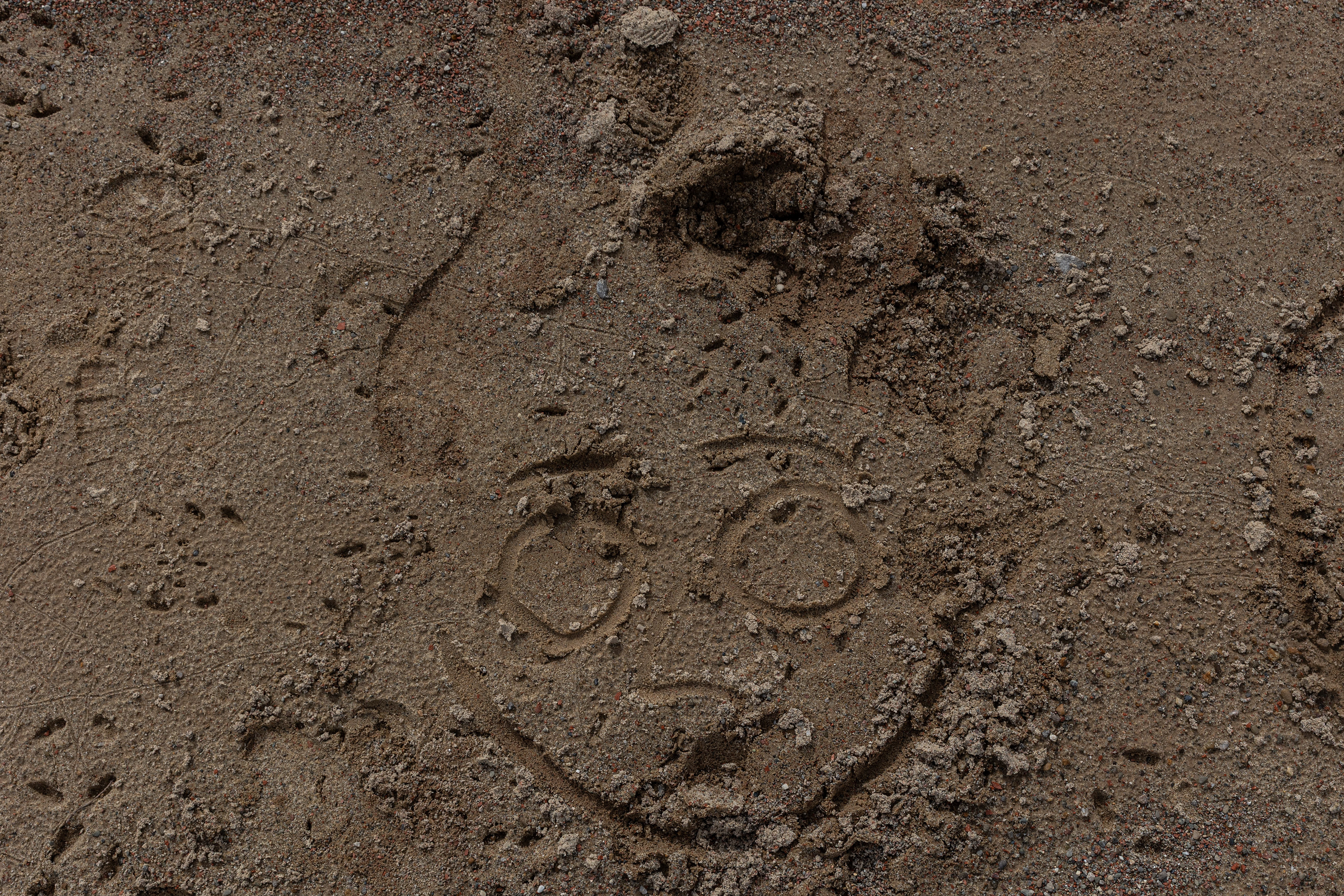
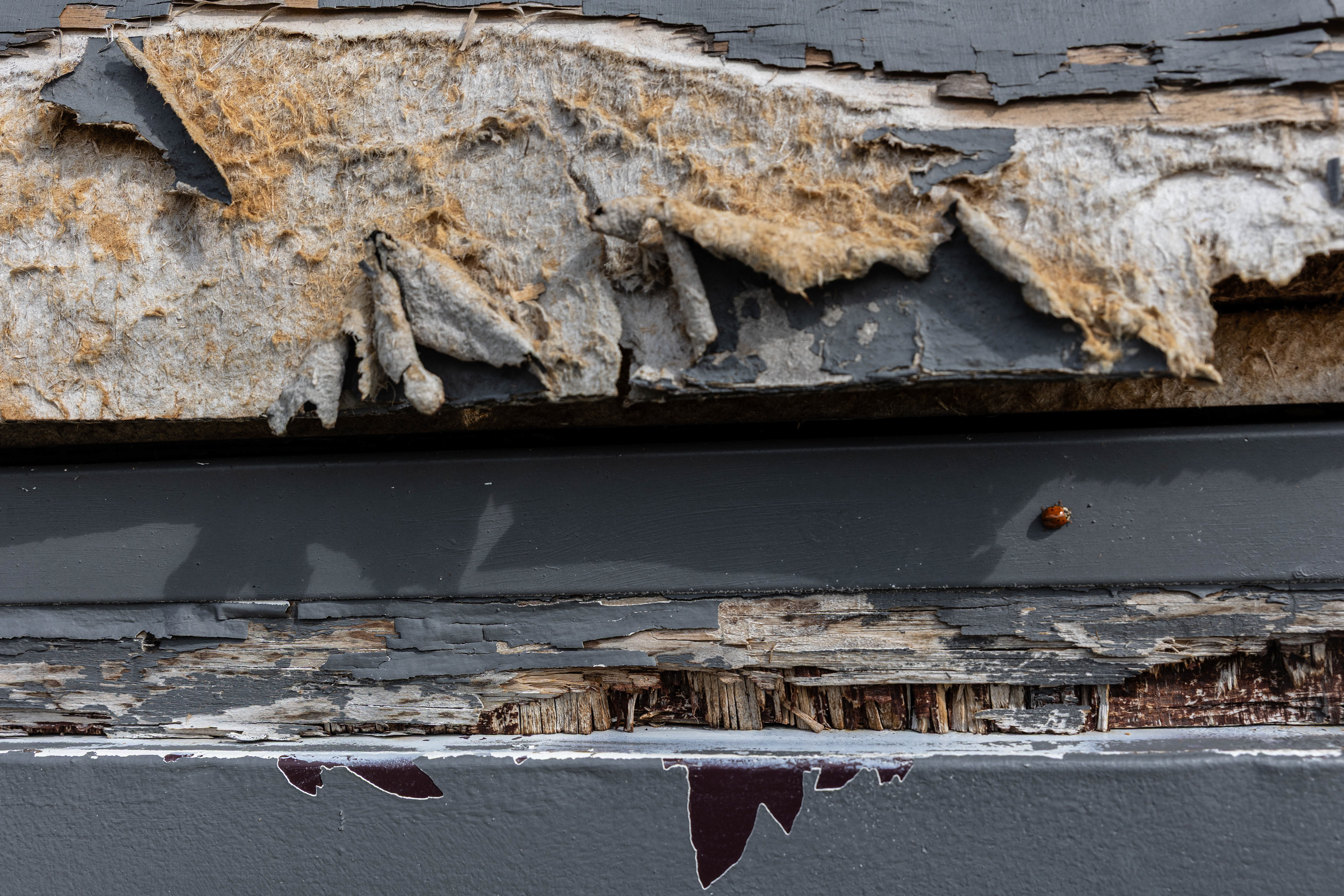
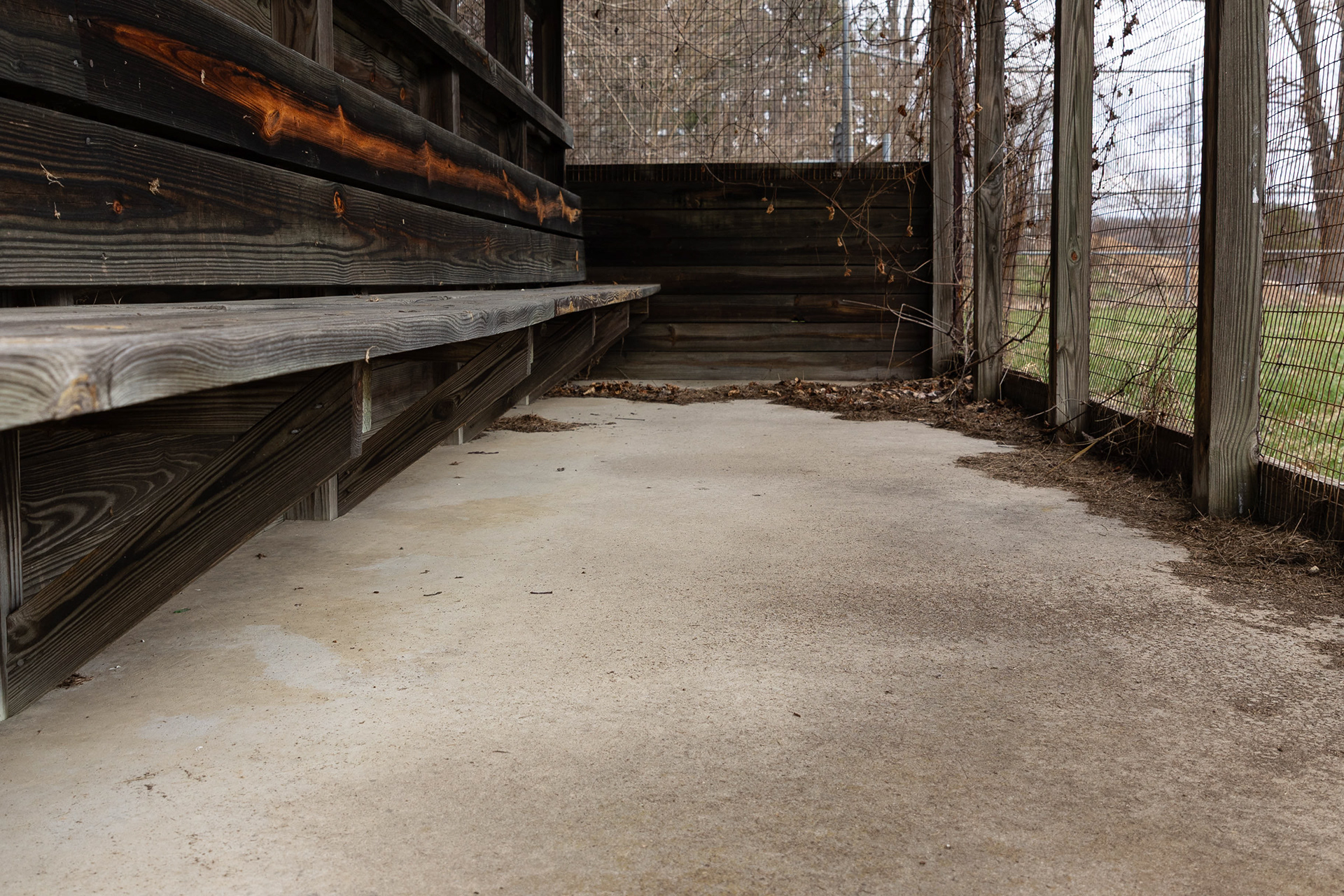
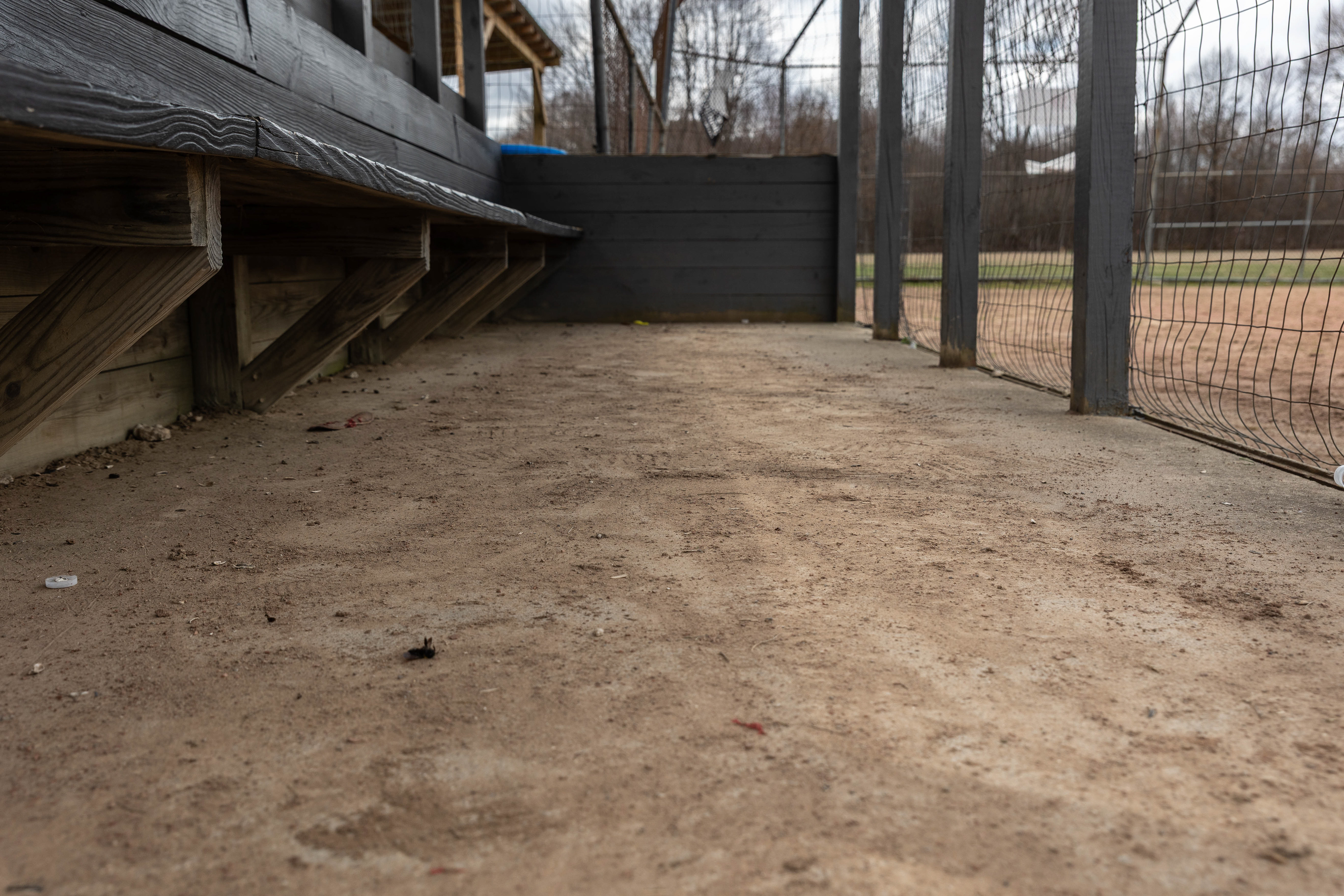
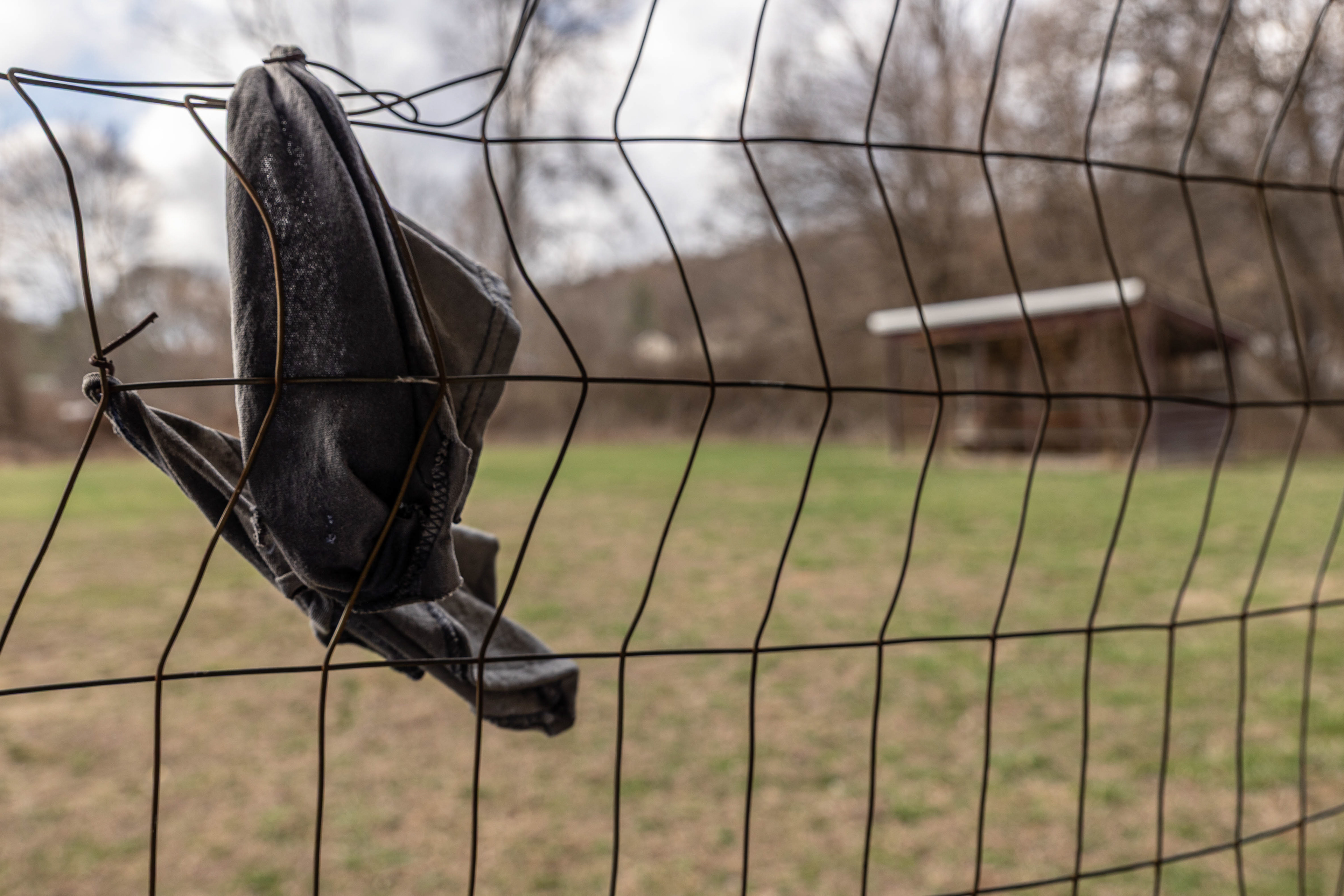
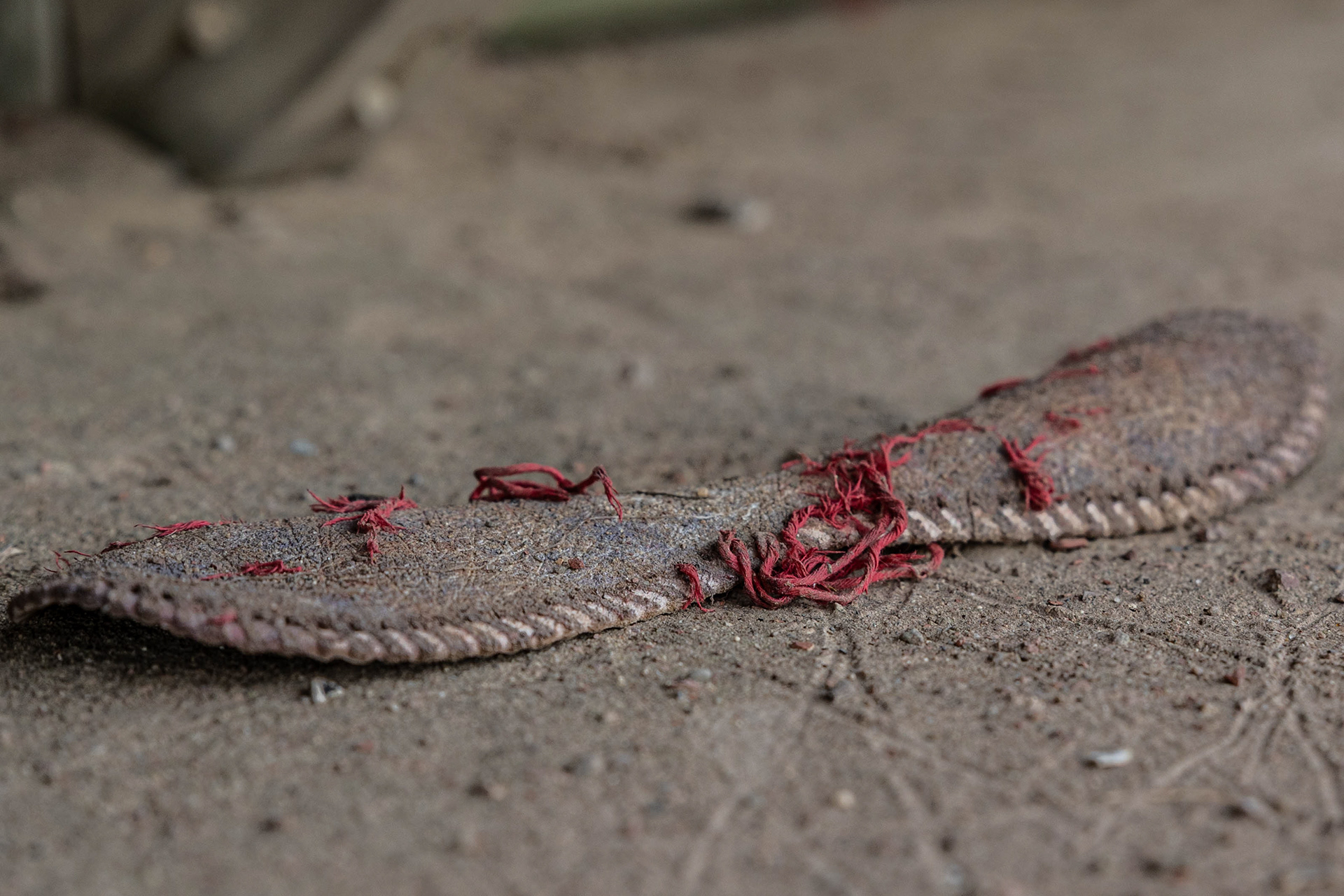
The Ballpark
"When I was young, I enjoyed spending time at the practice baseball fields behind the old school. I remember when we would take breaks during practice I would go over to the wood line and pick honeysuckles."-TJ Maloy

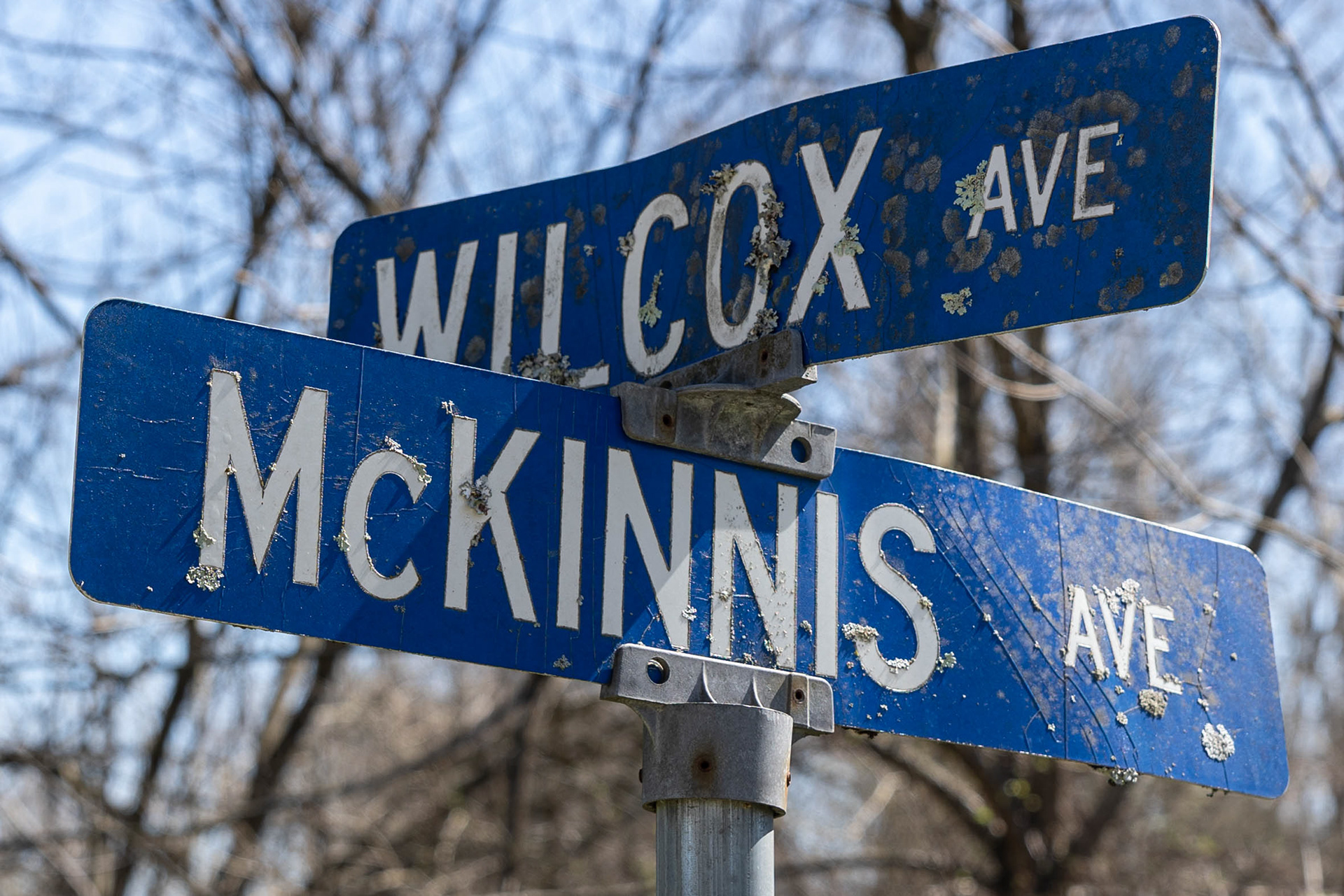
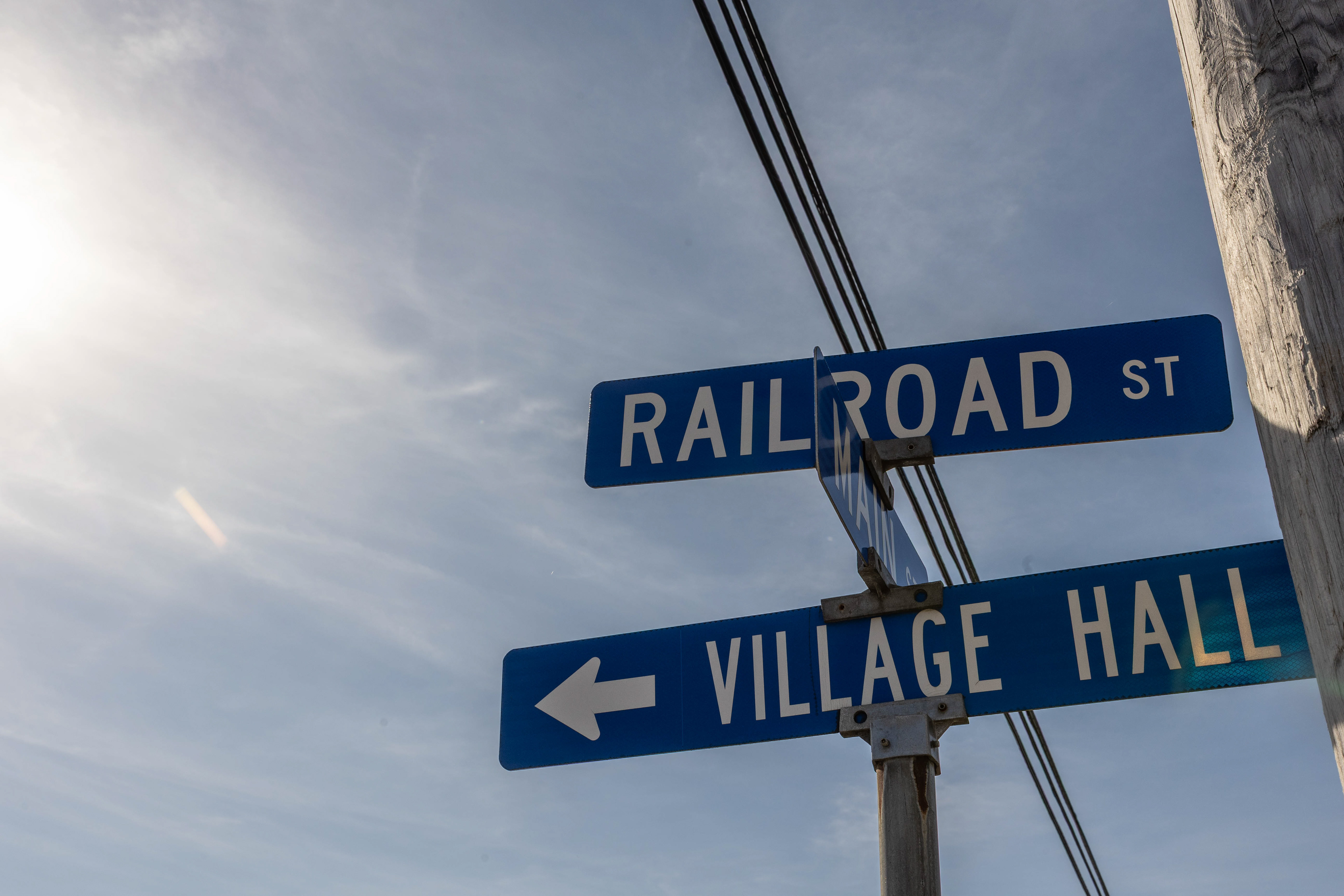
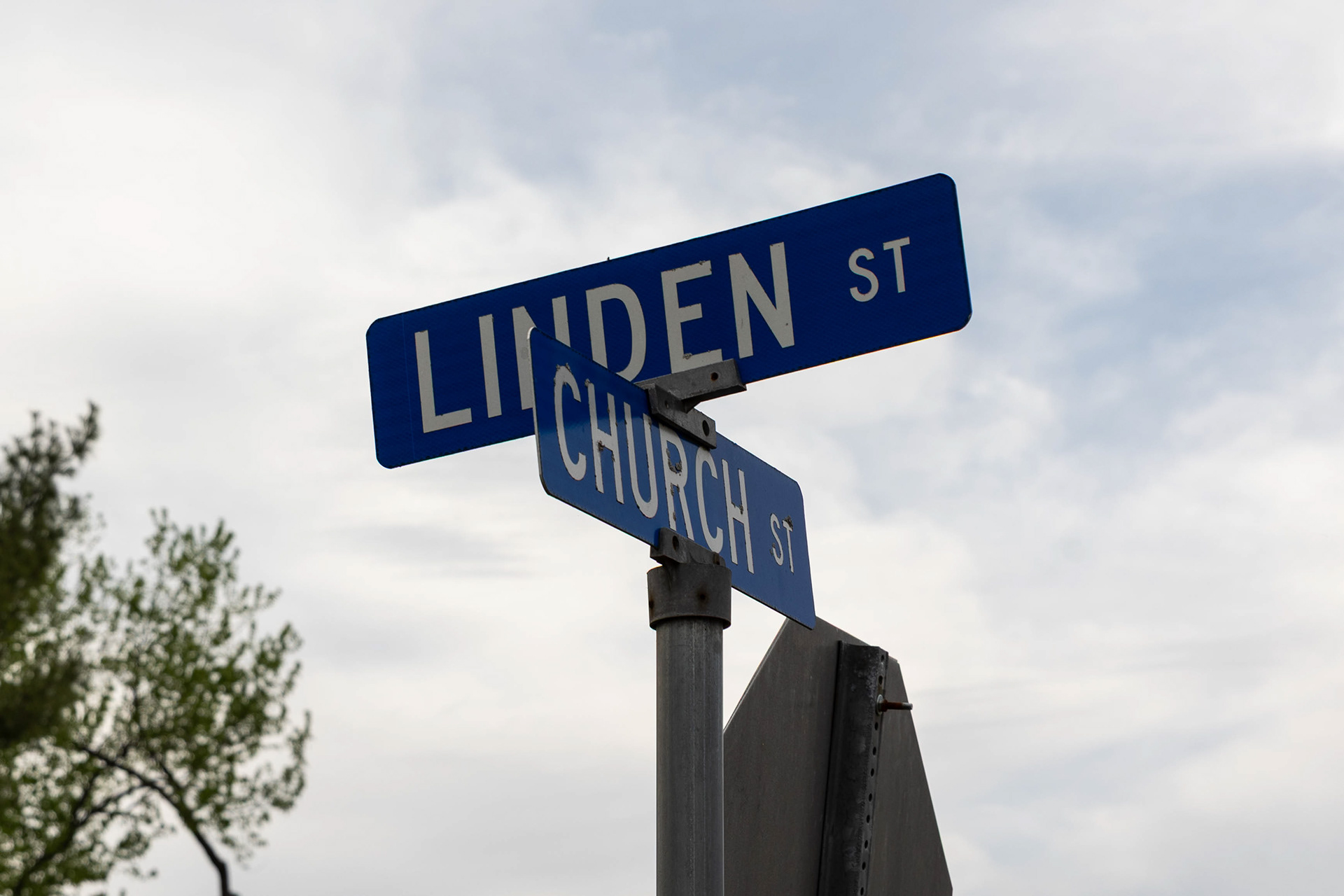
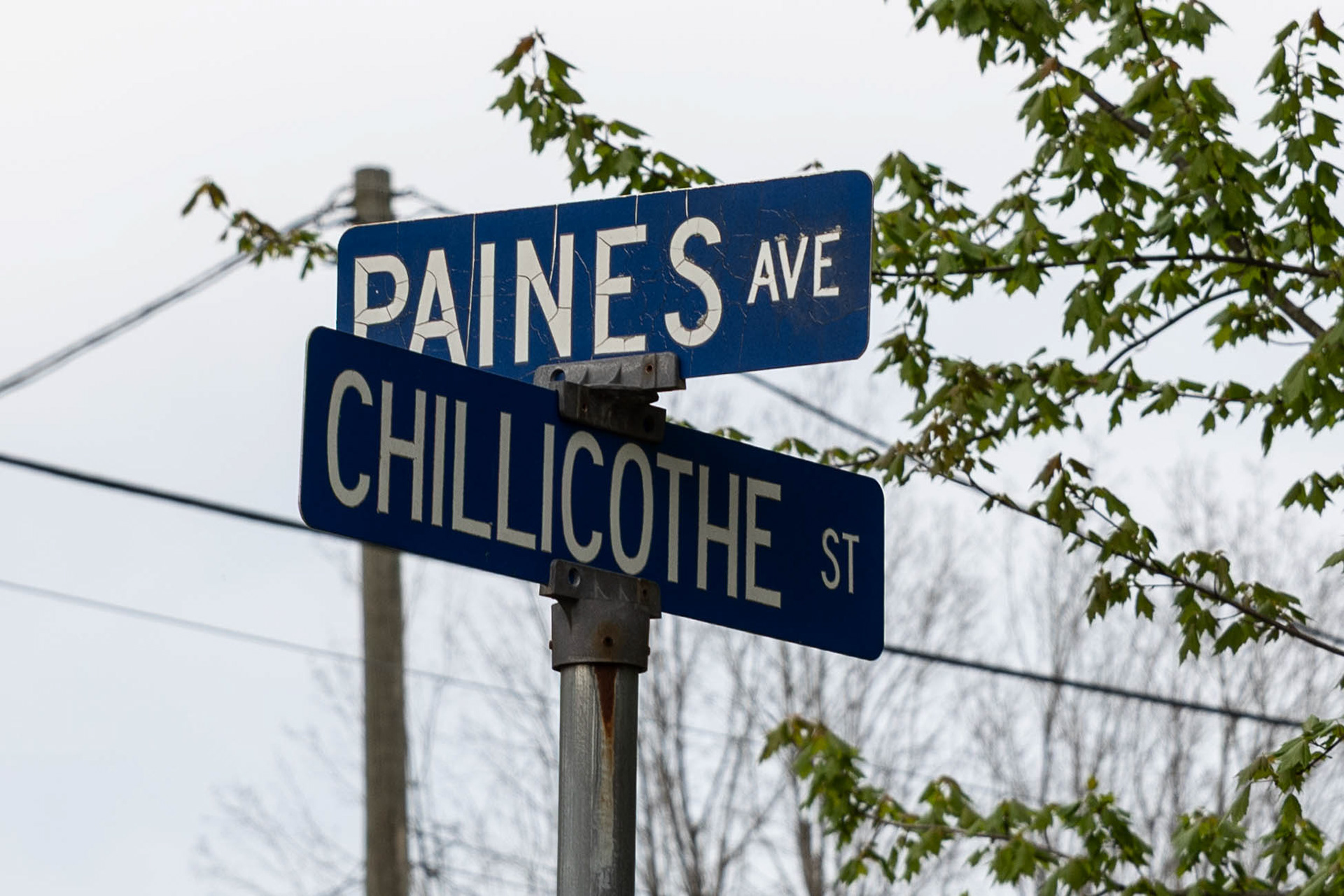
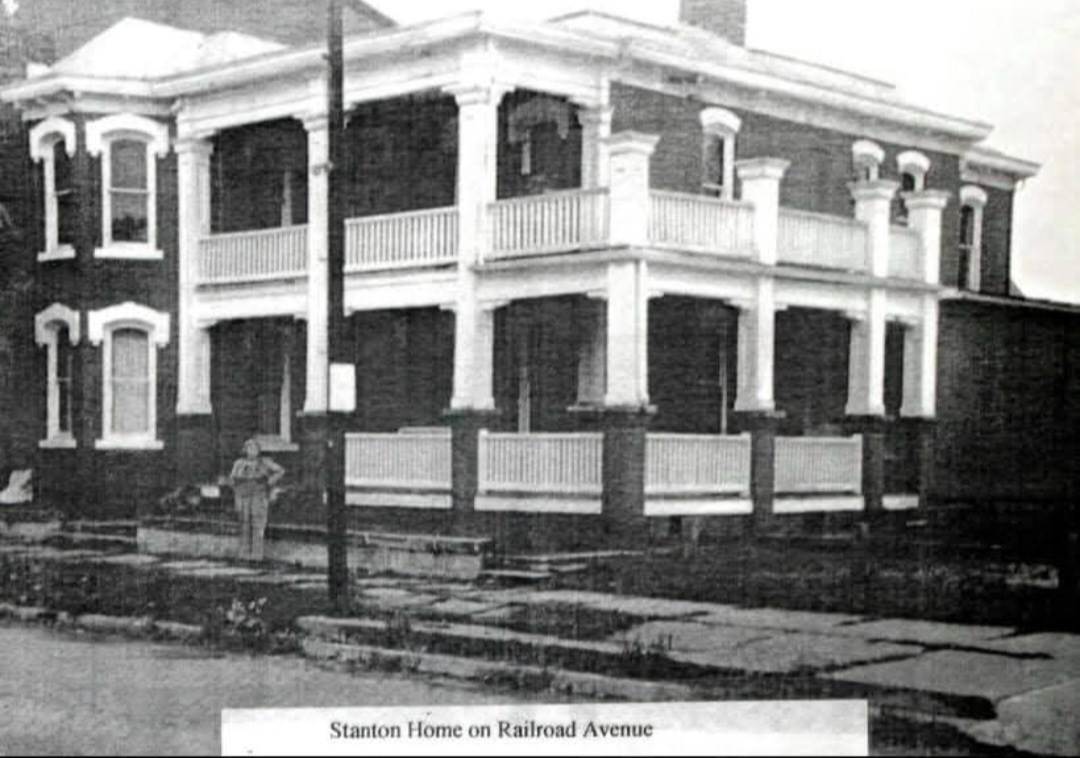
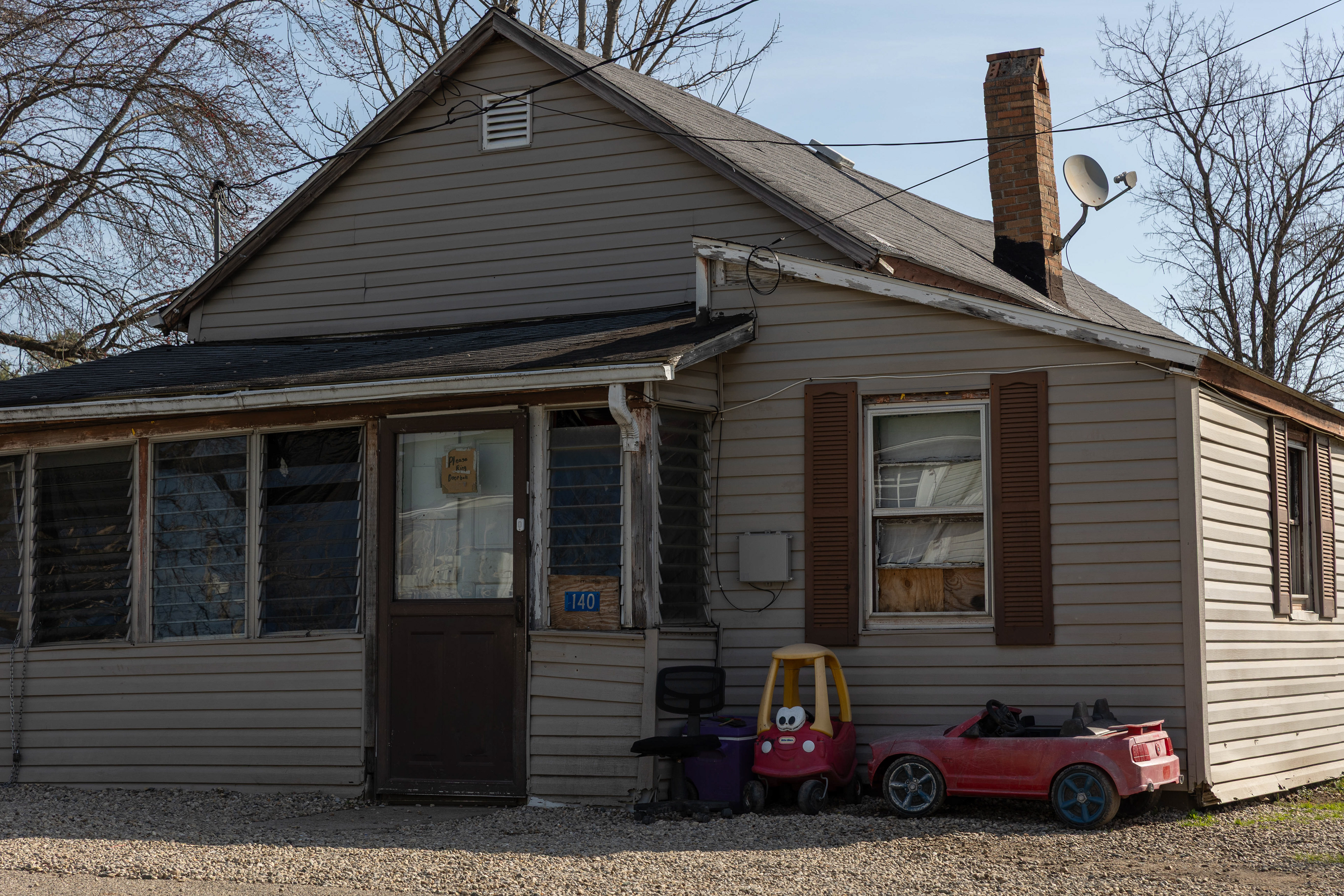
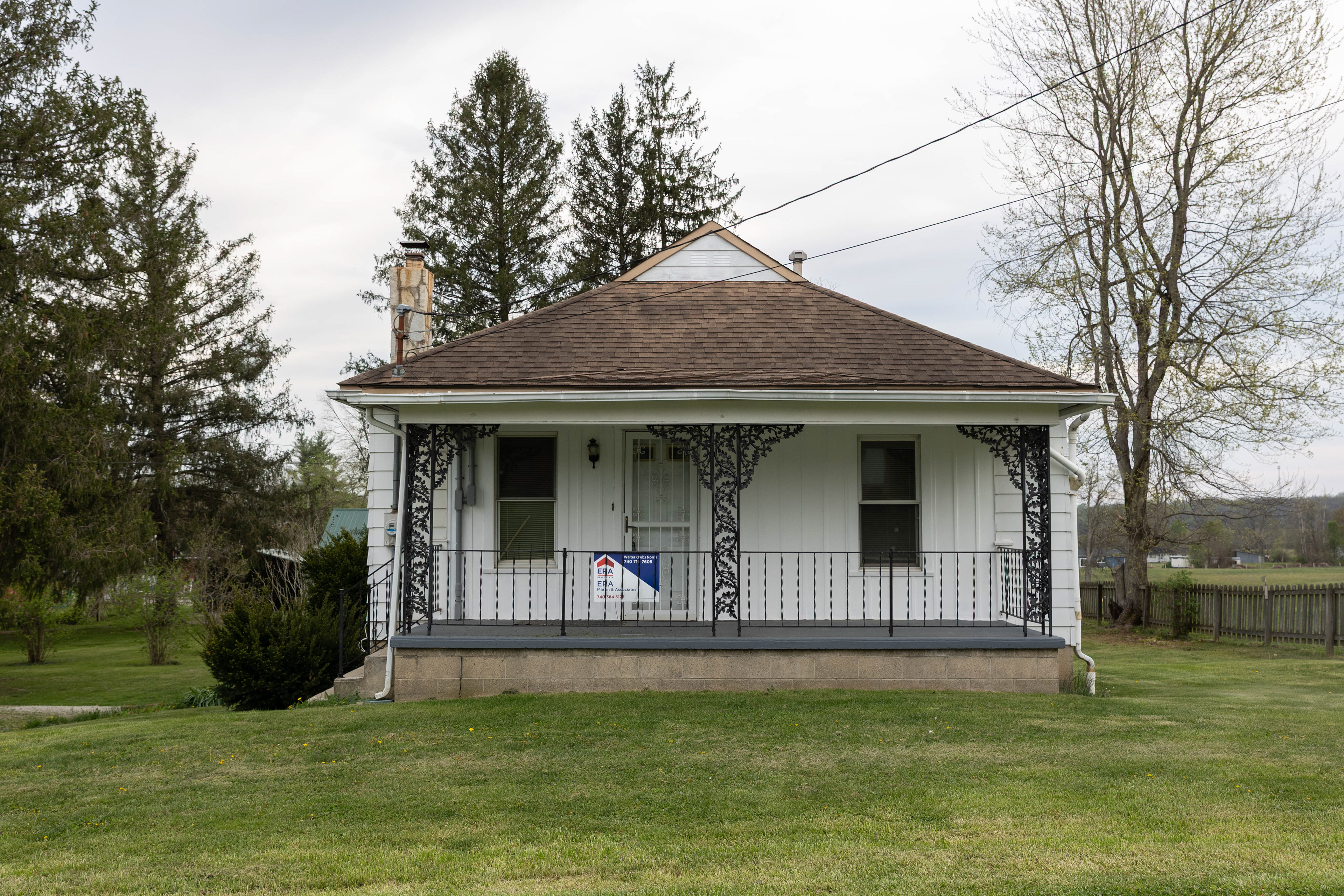
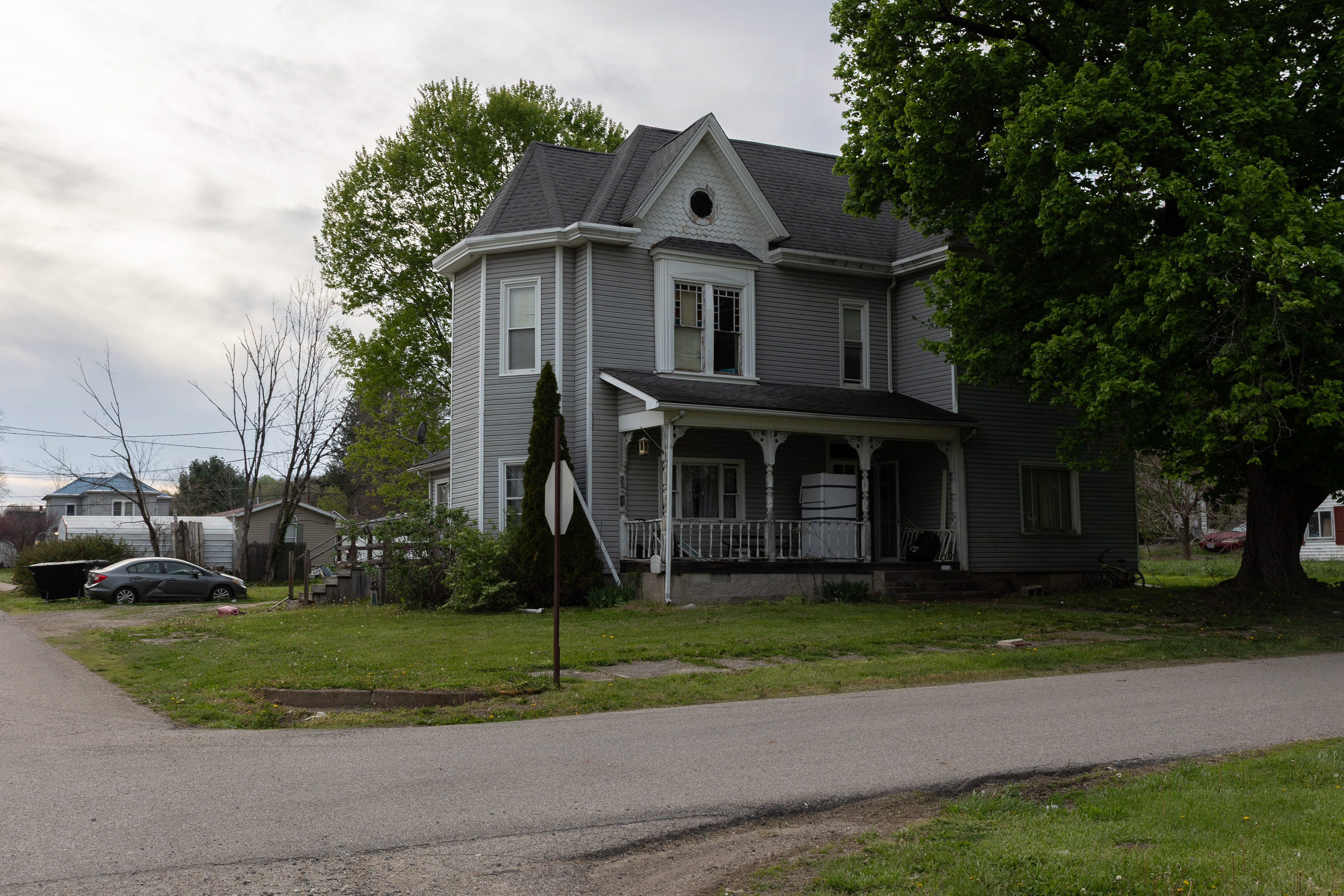
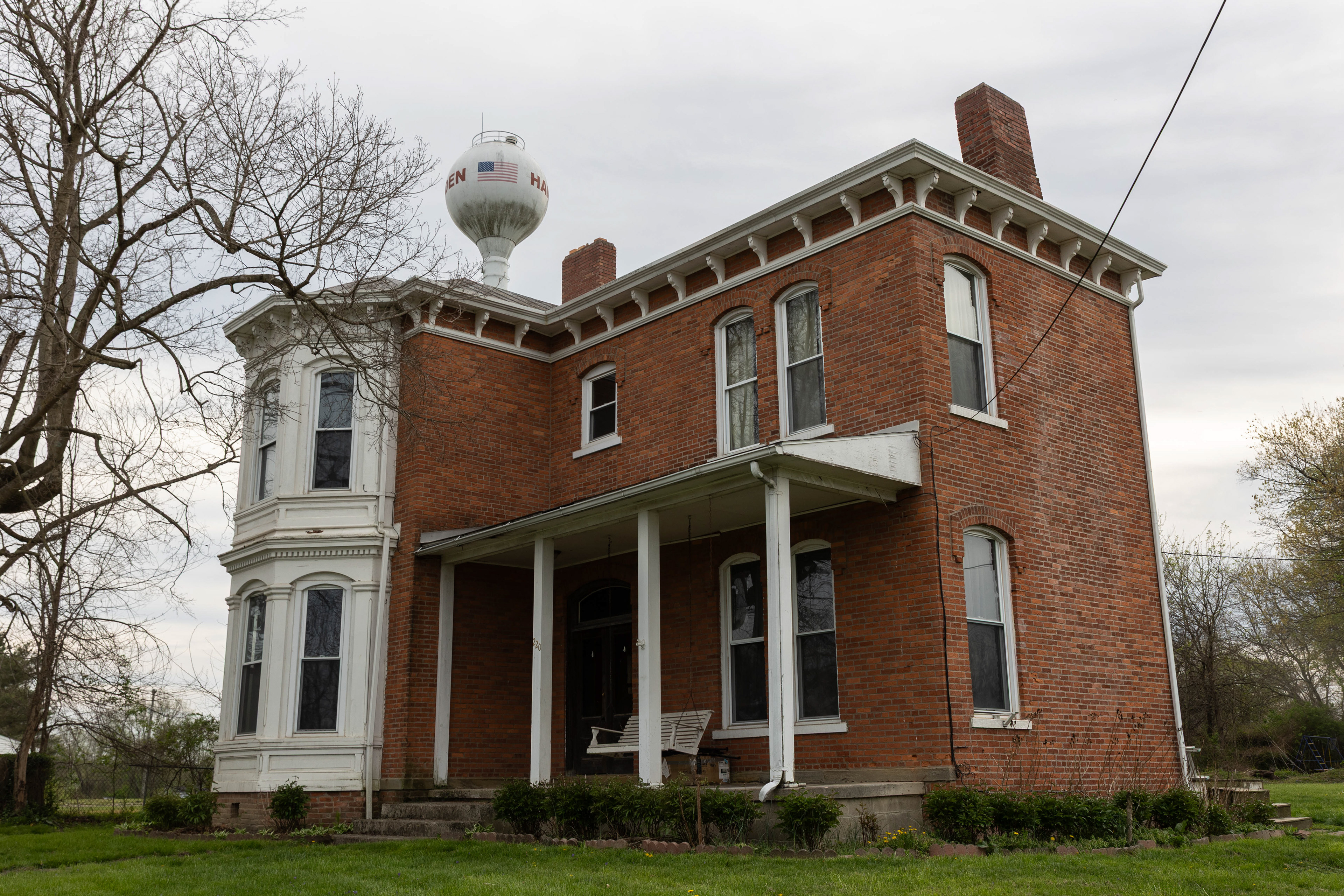
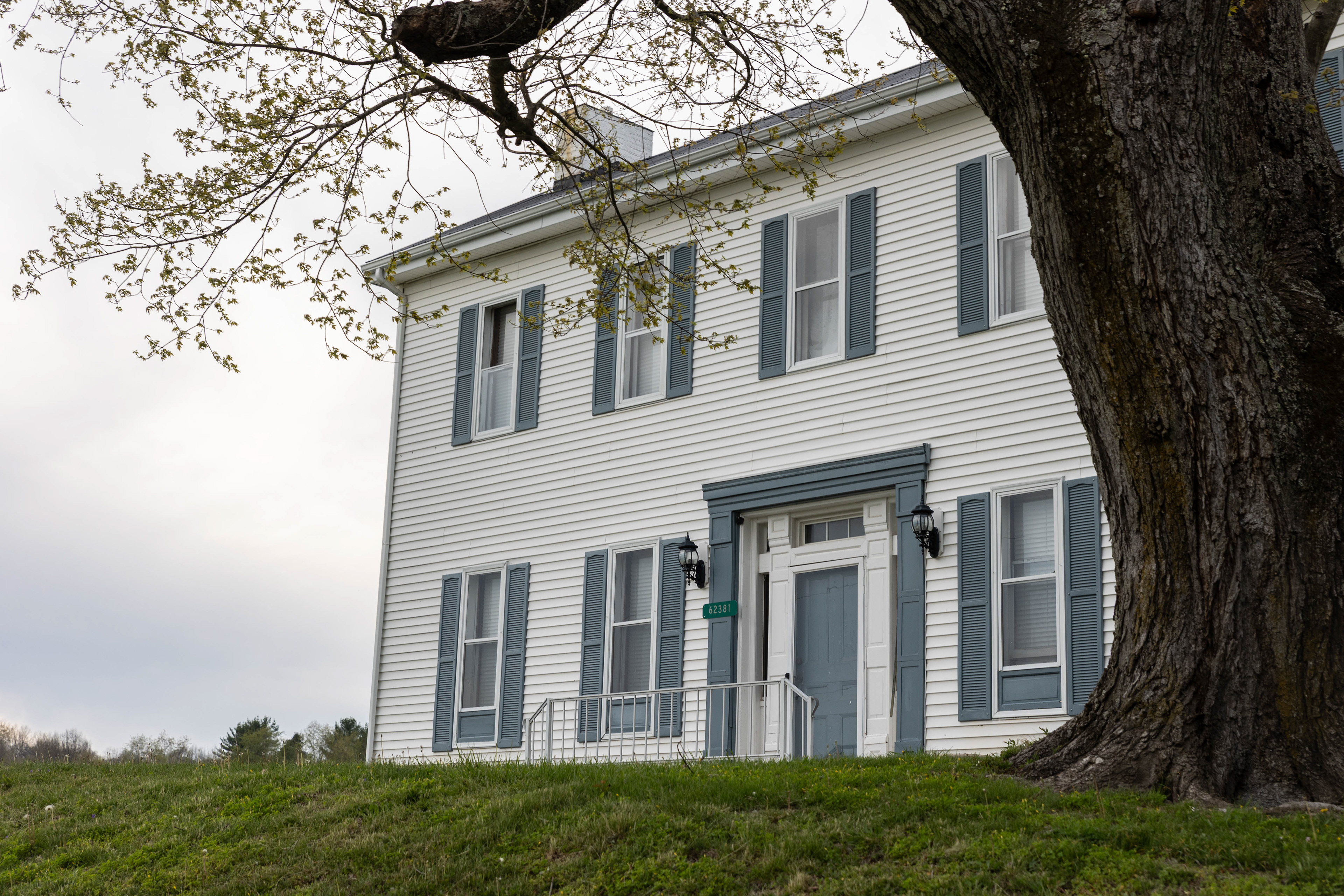
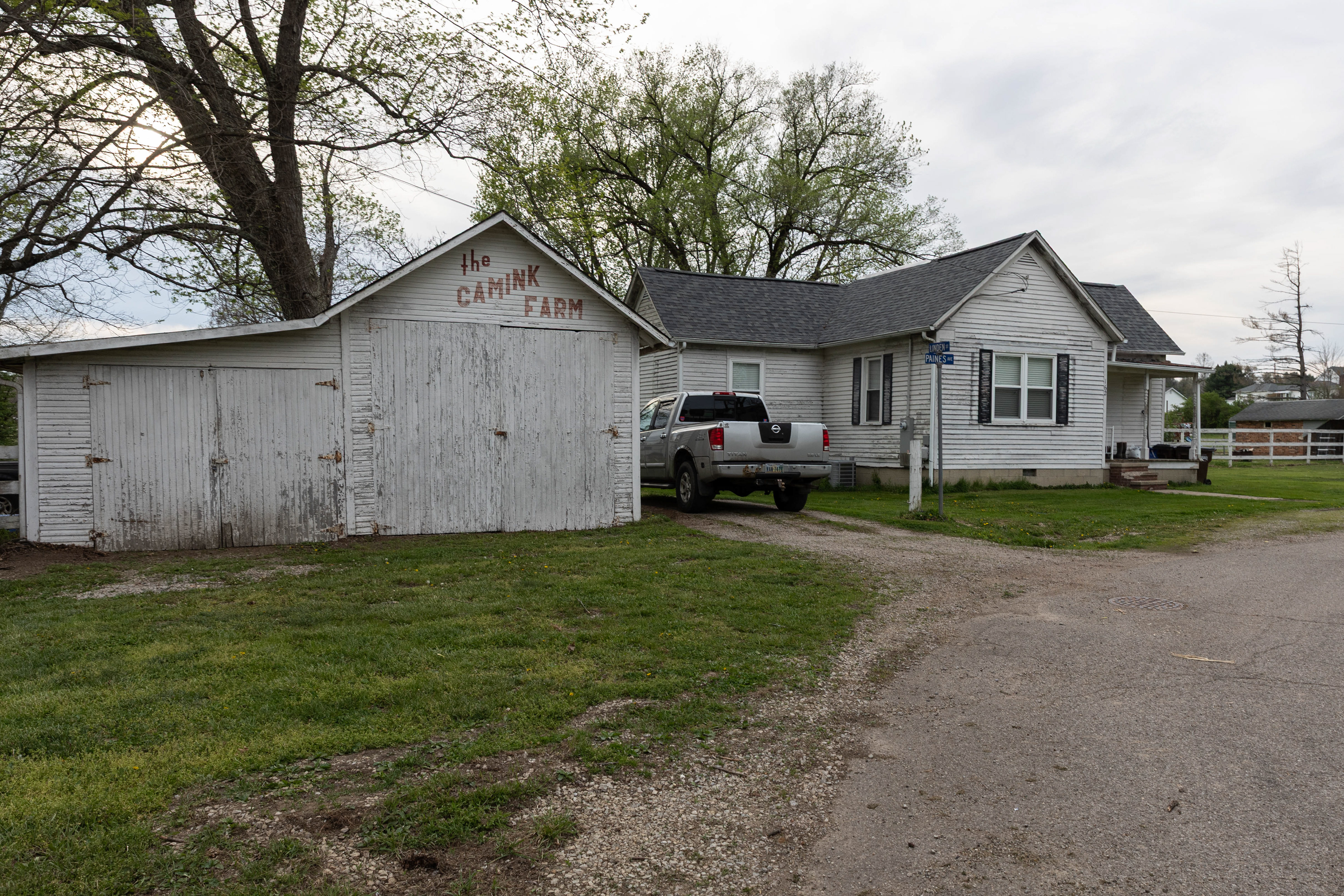
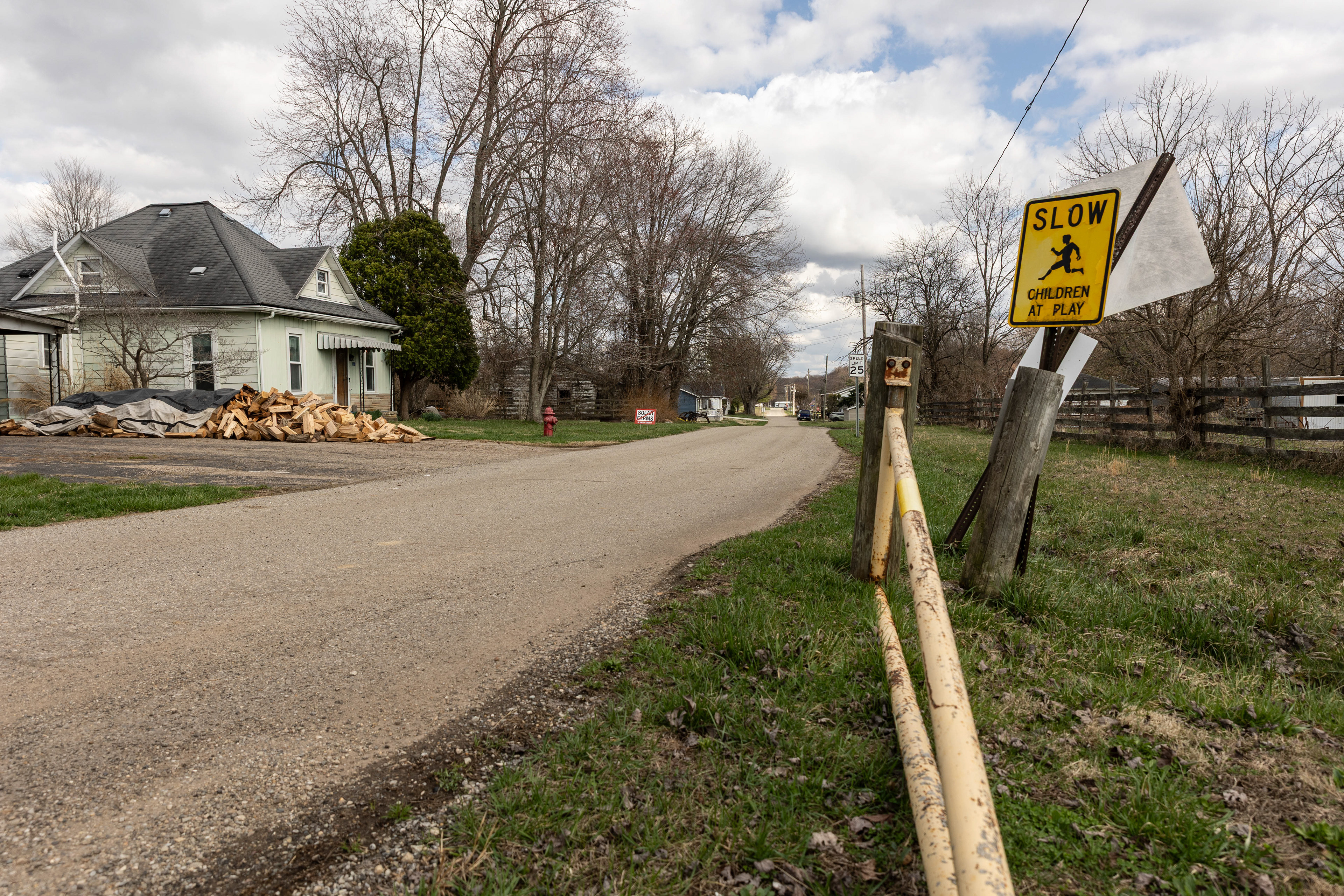
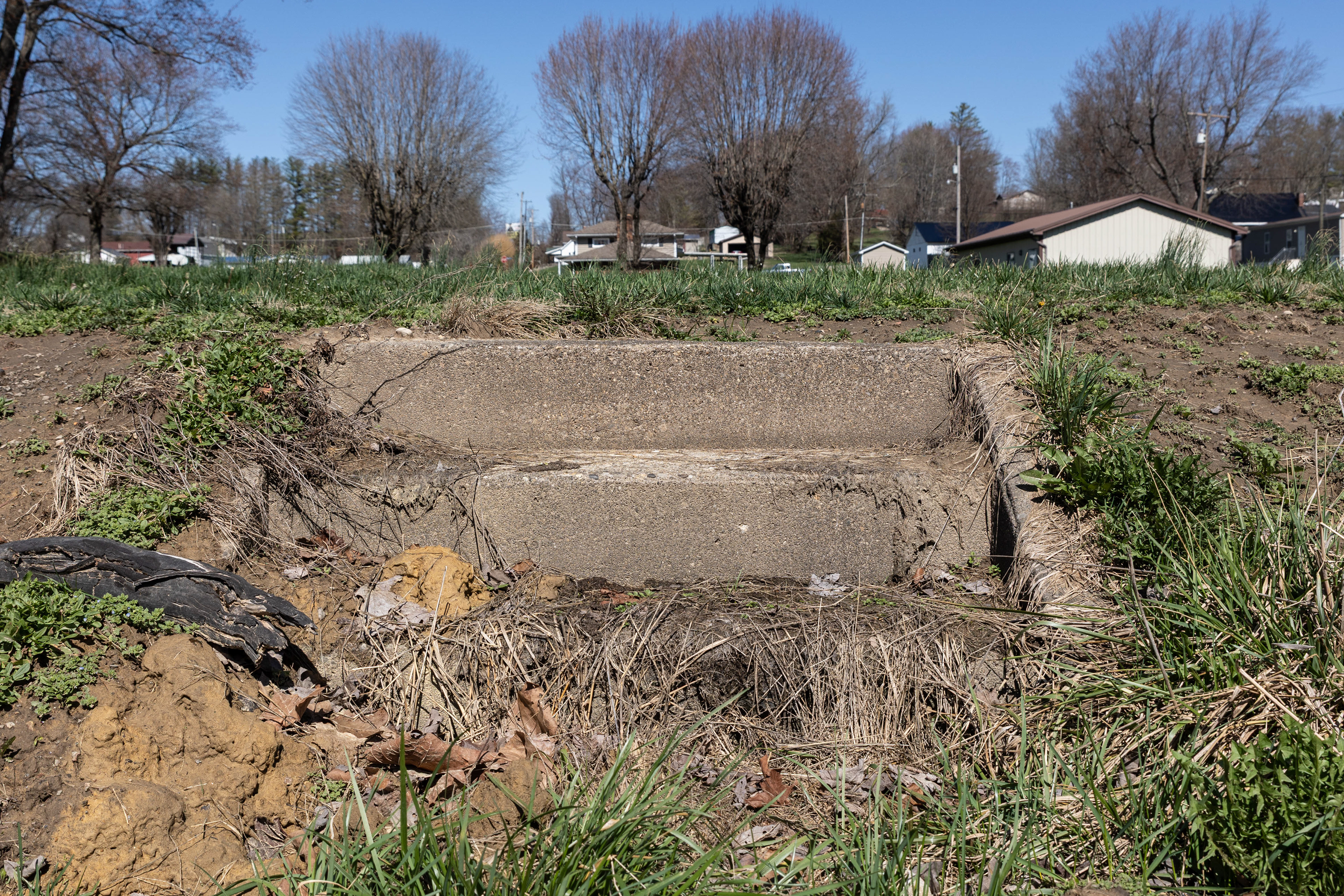
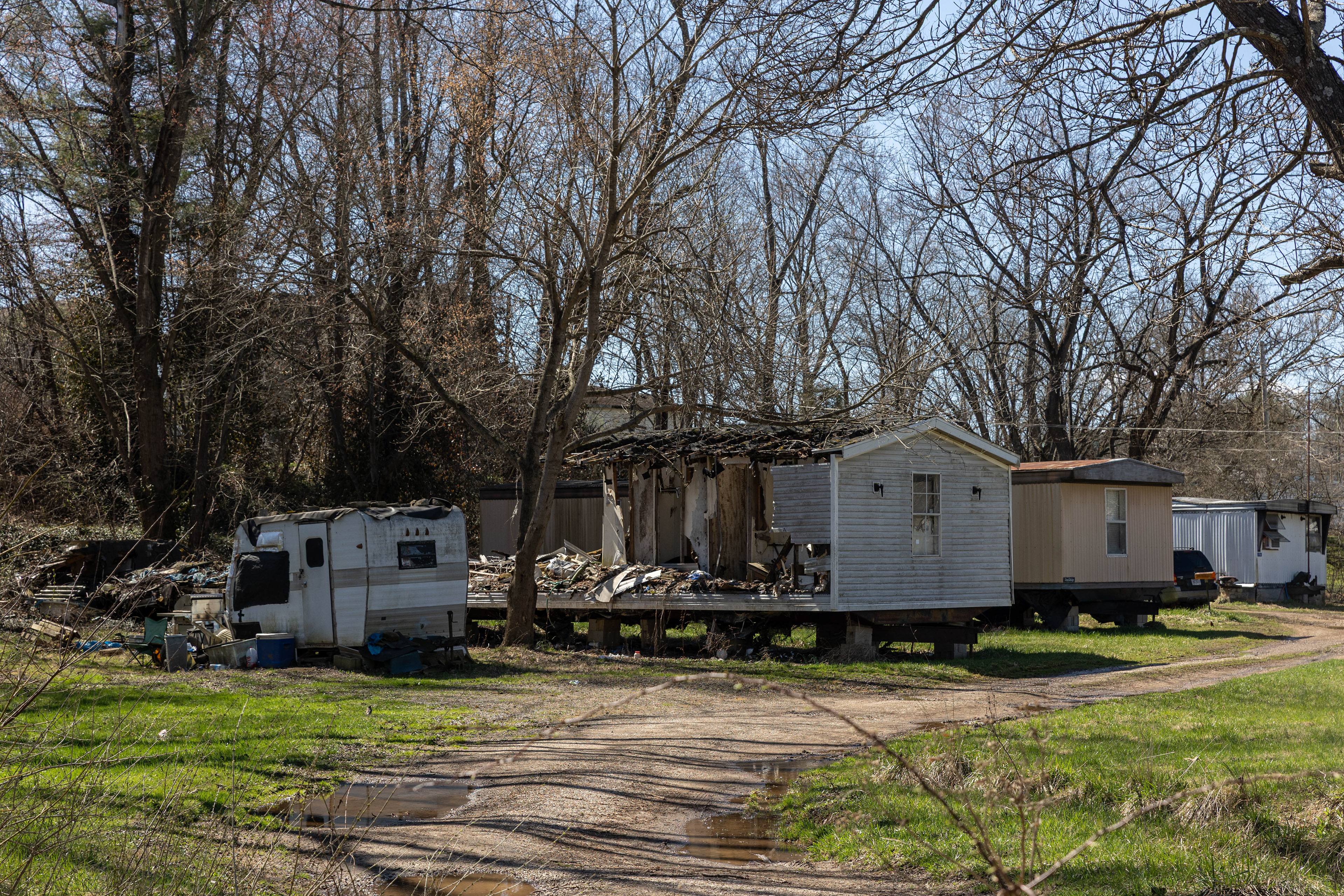
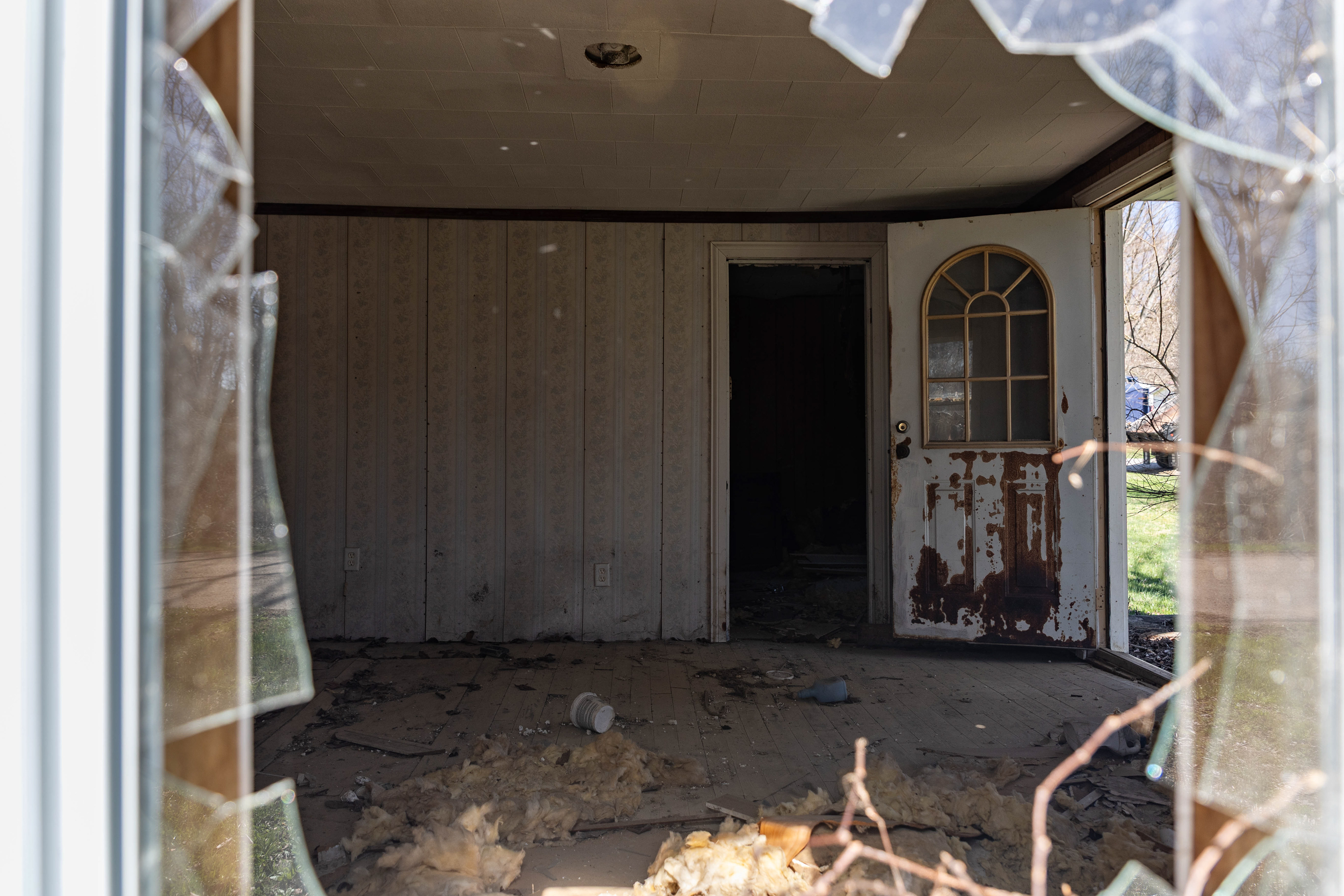
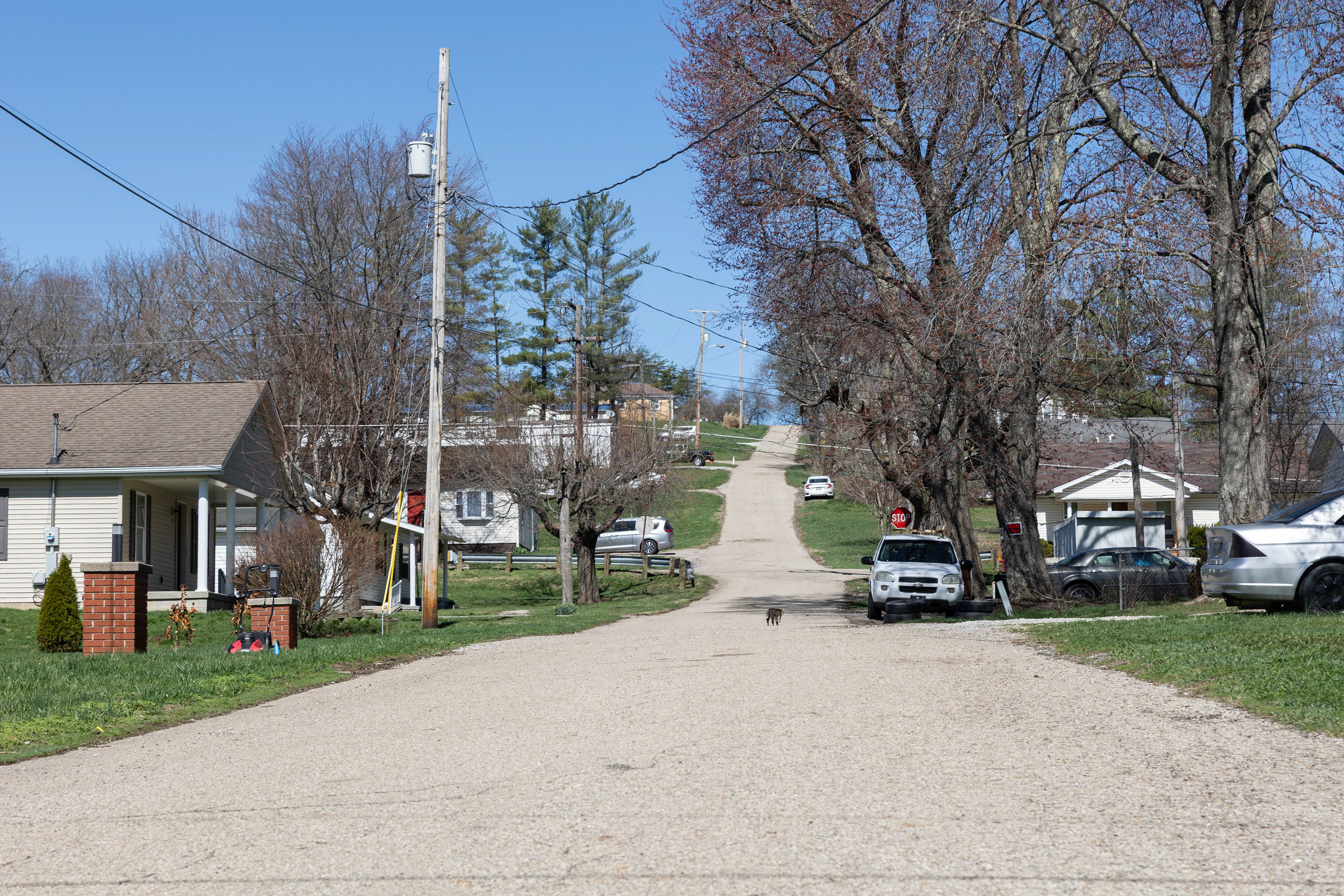
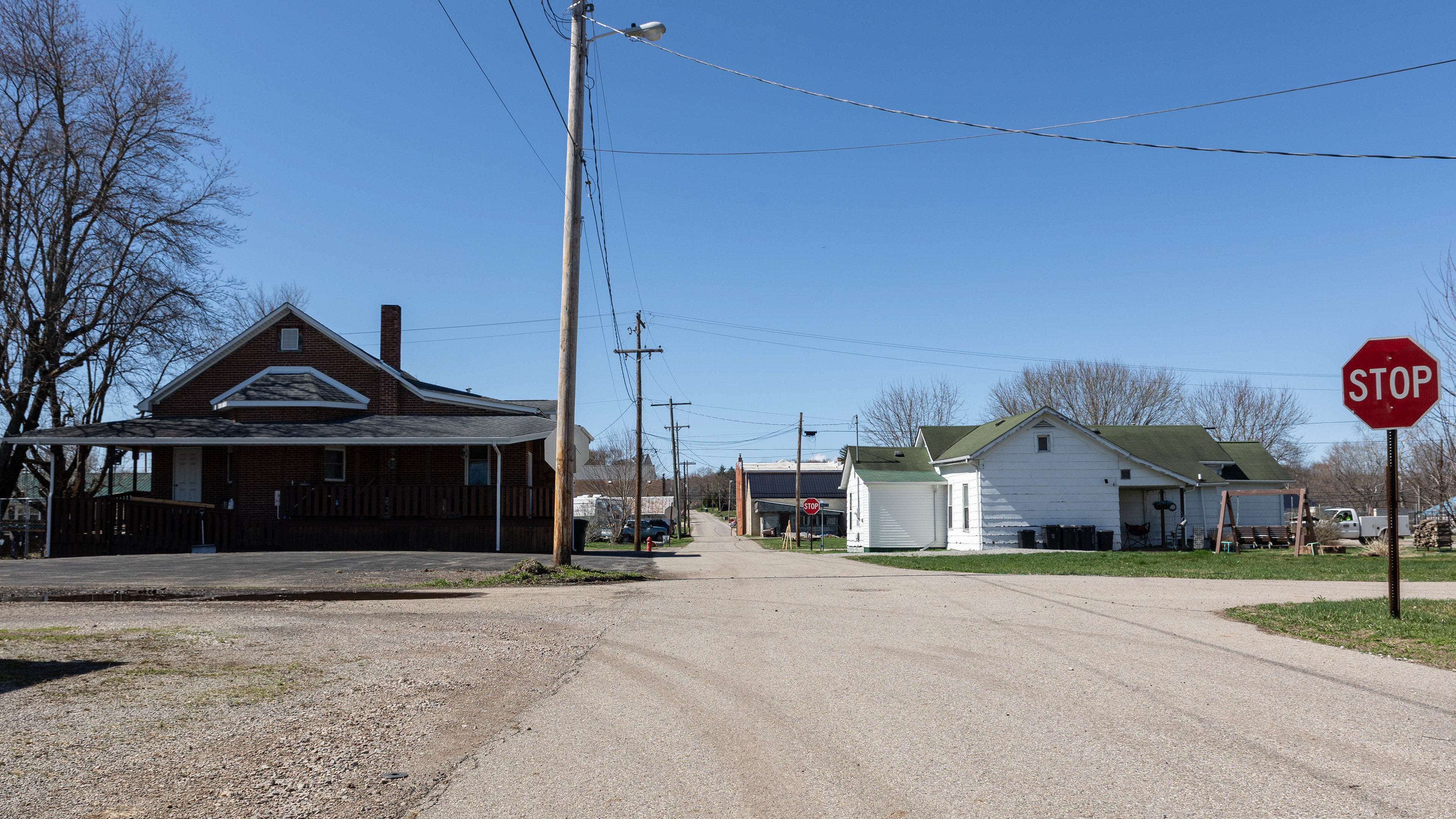
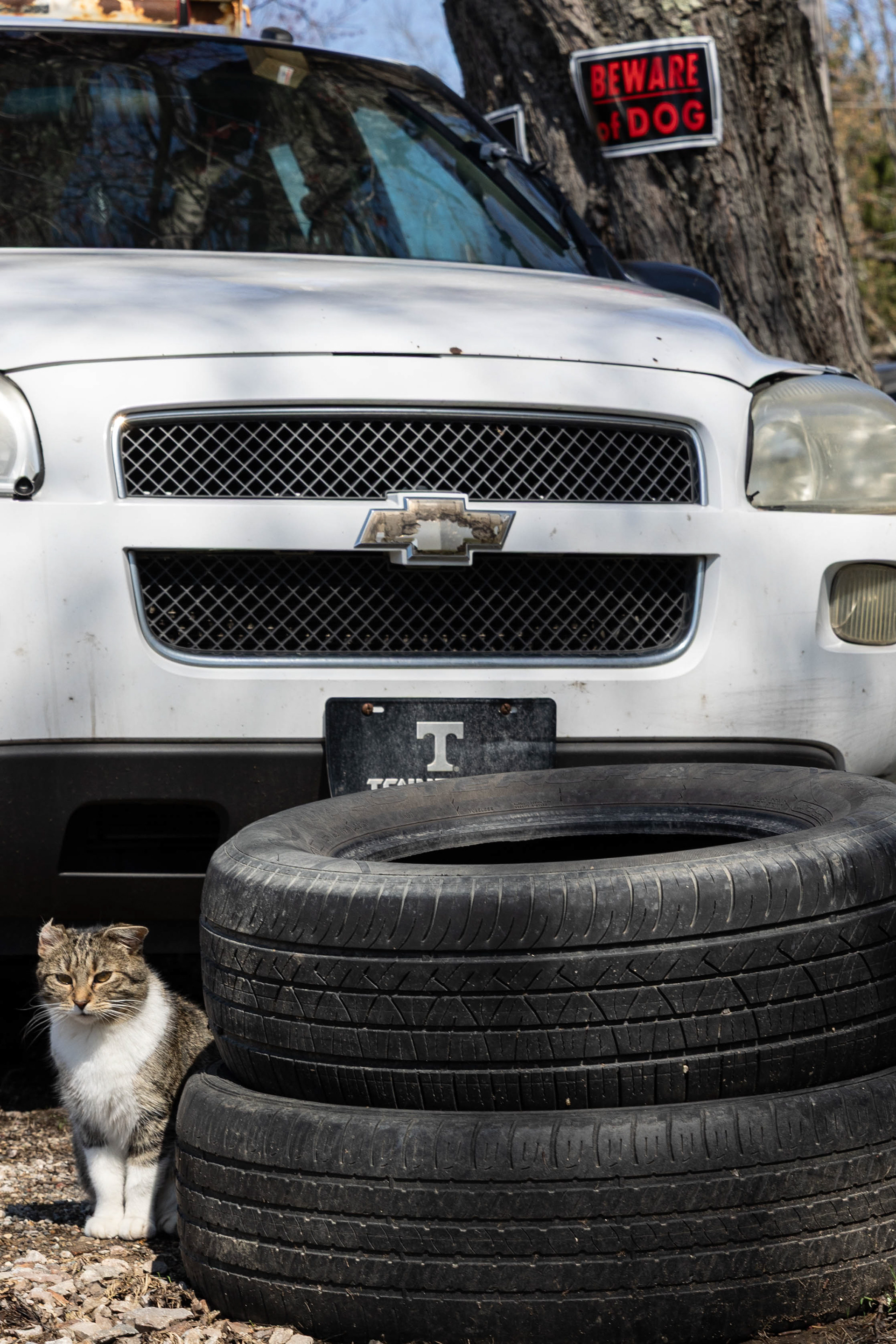
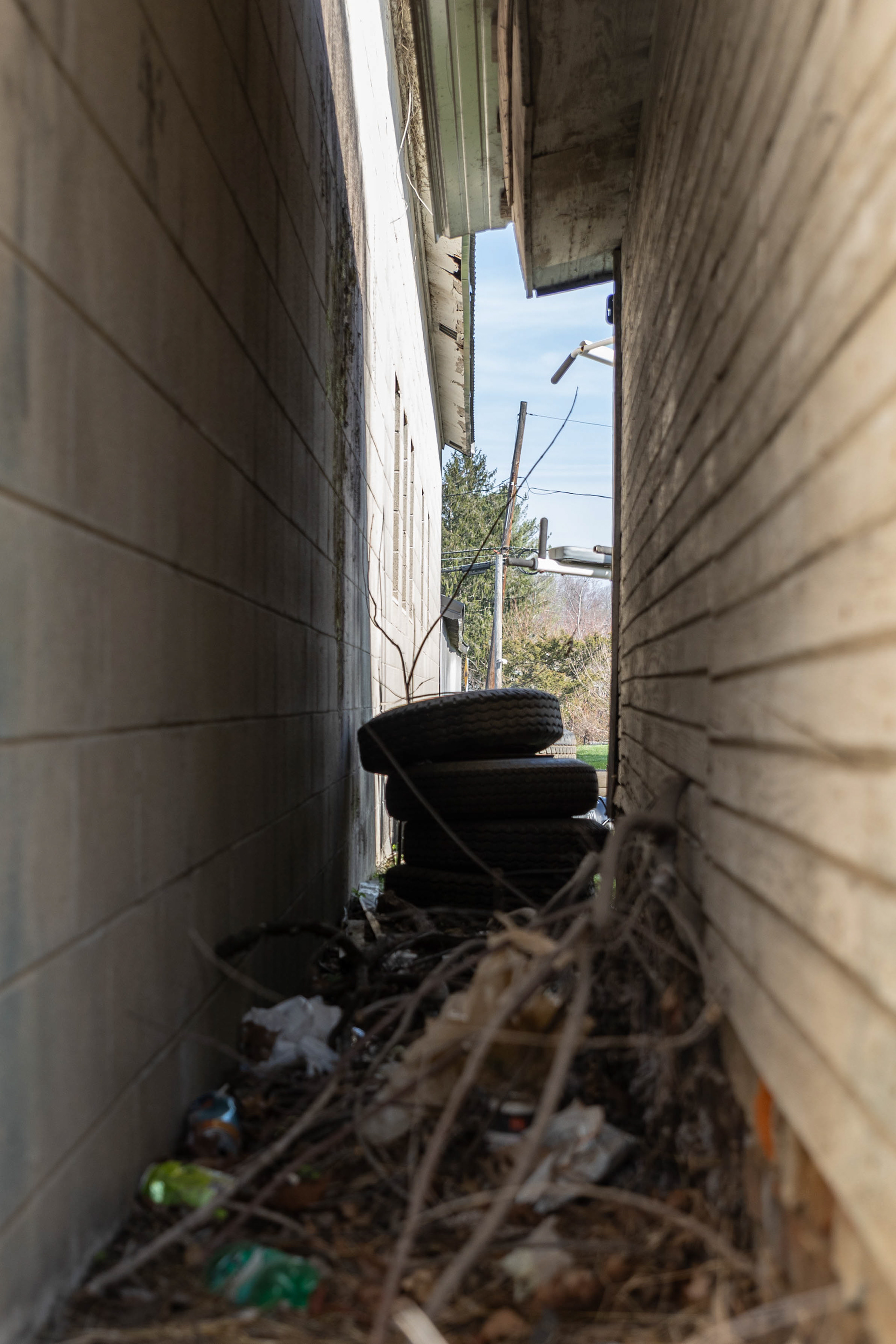
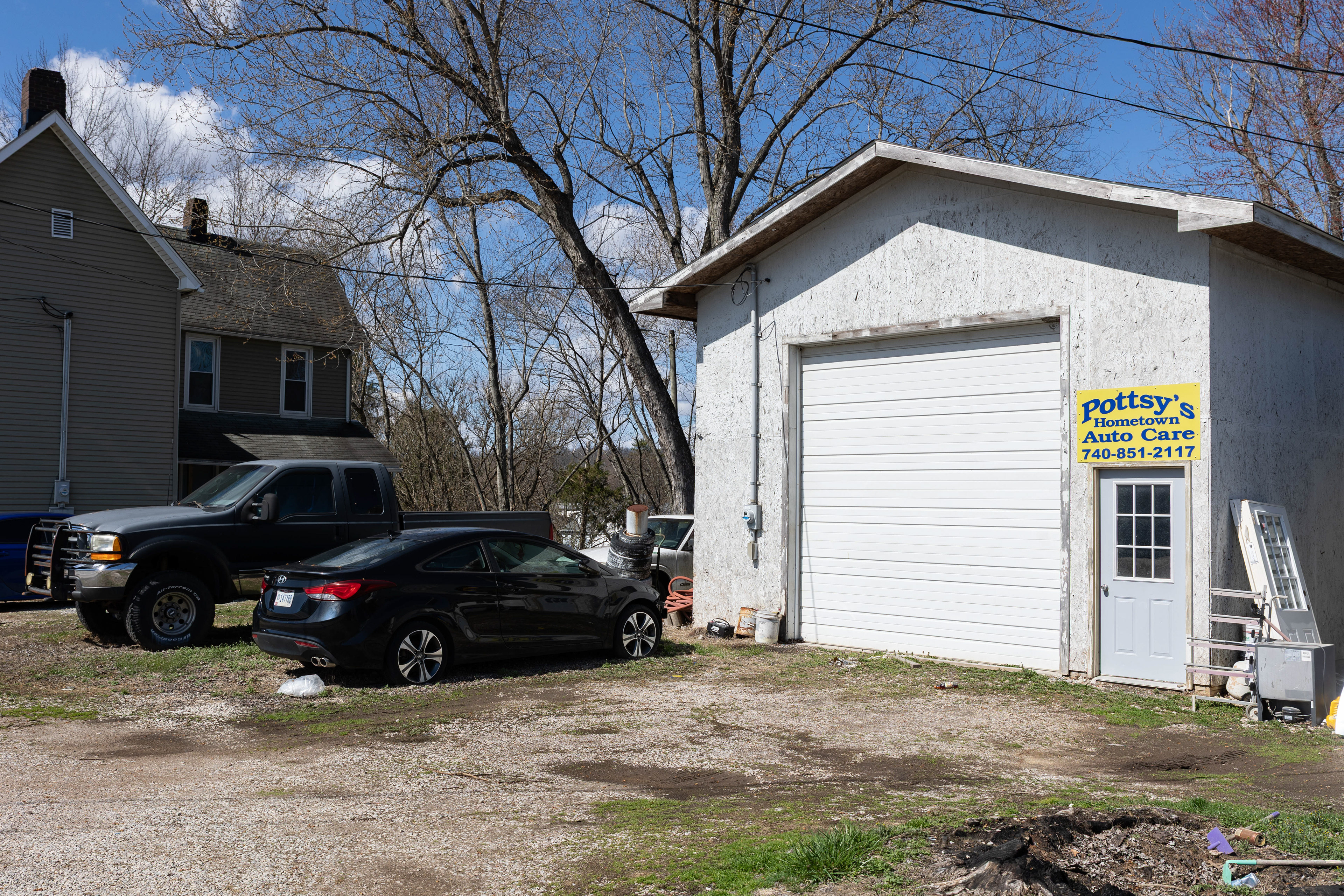
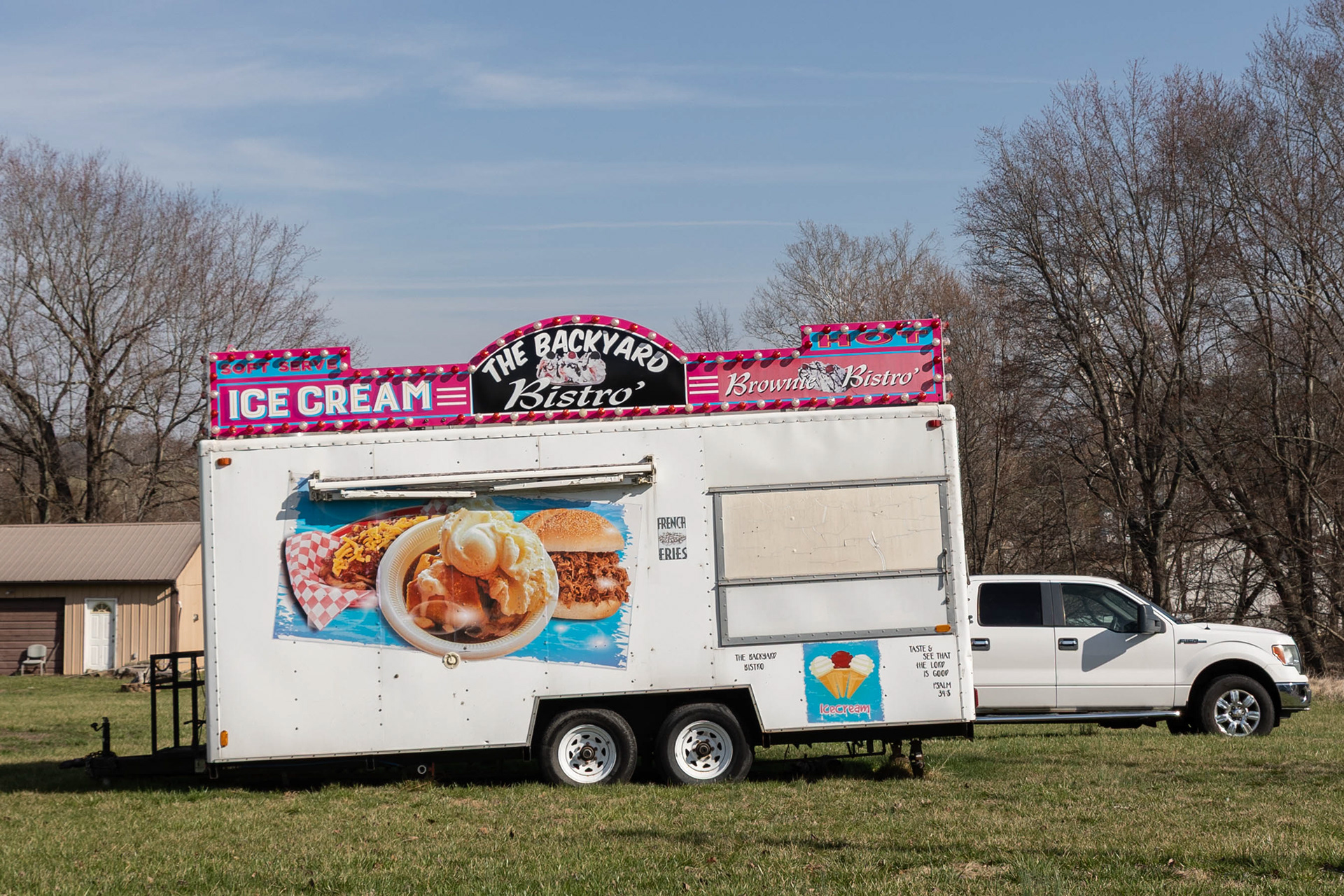
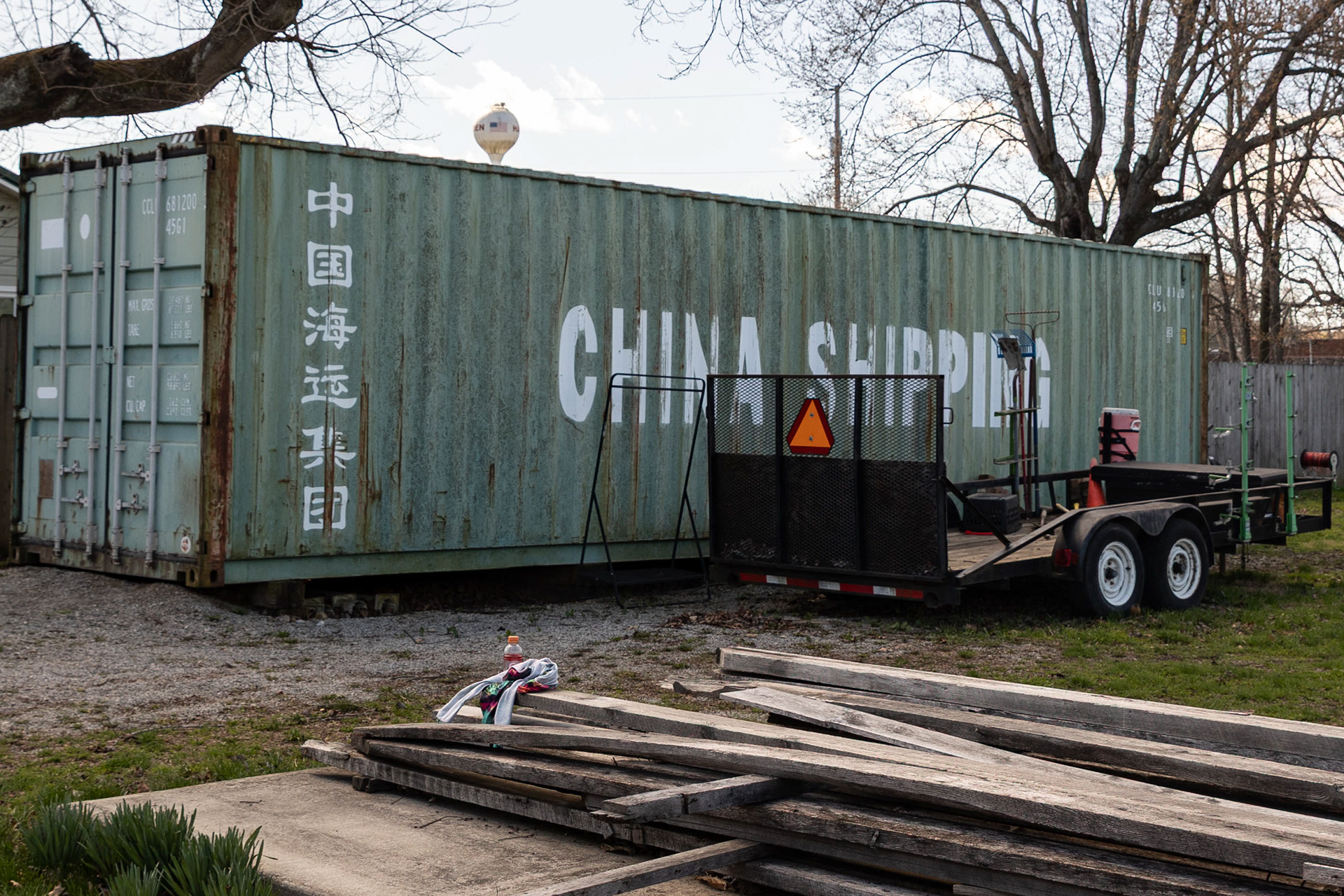
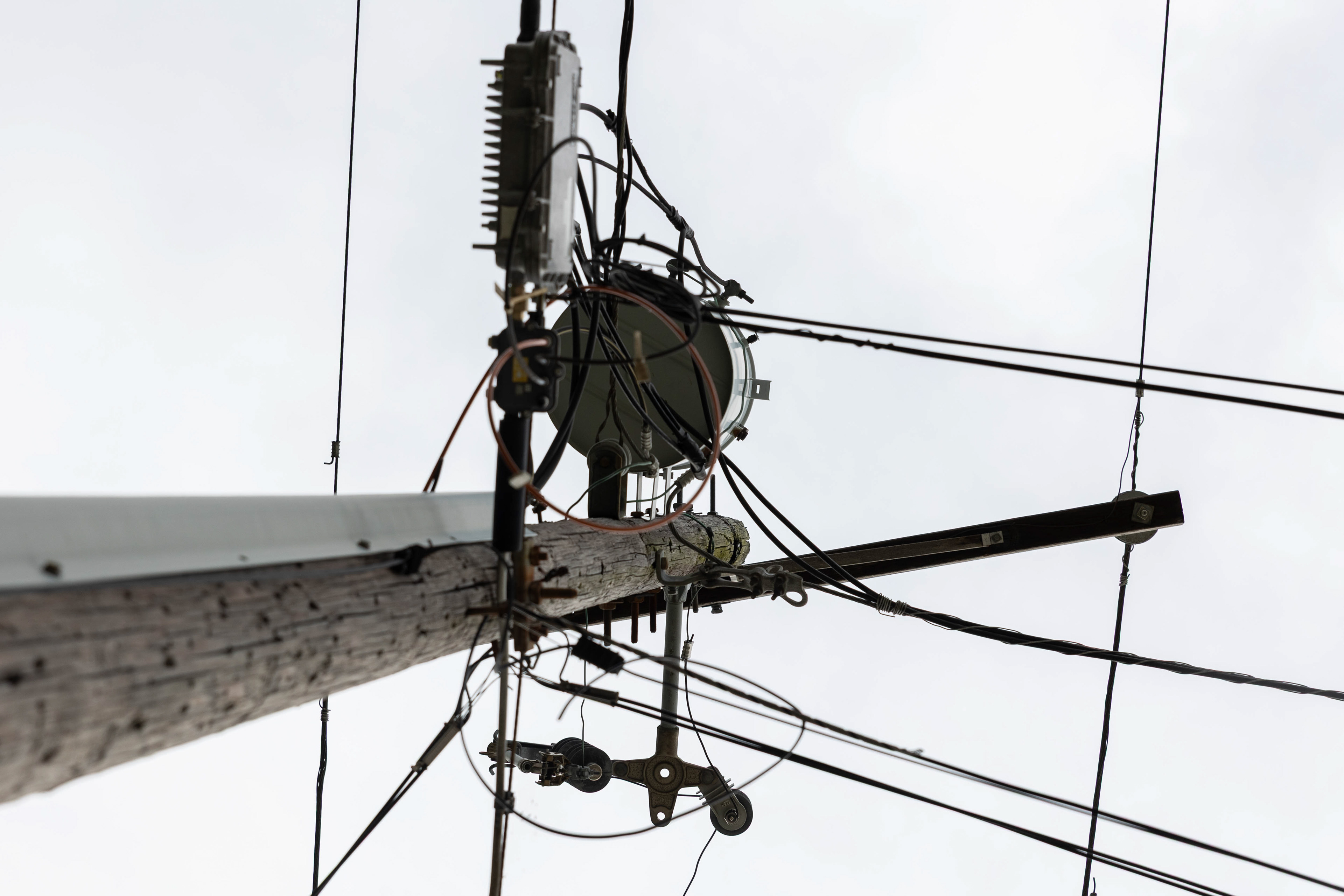
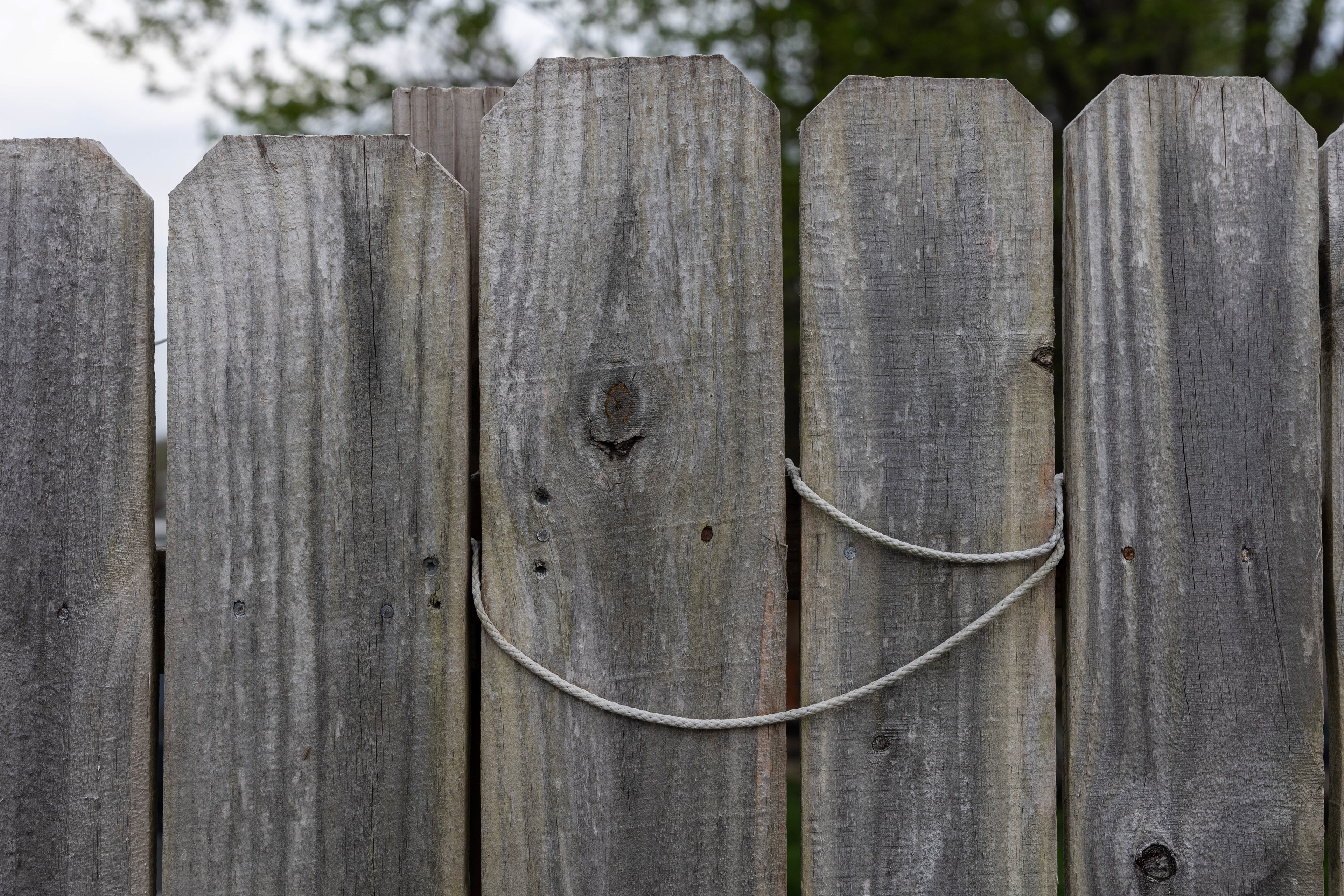
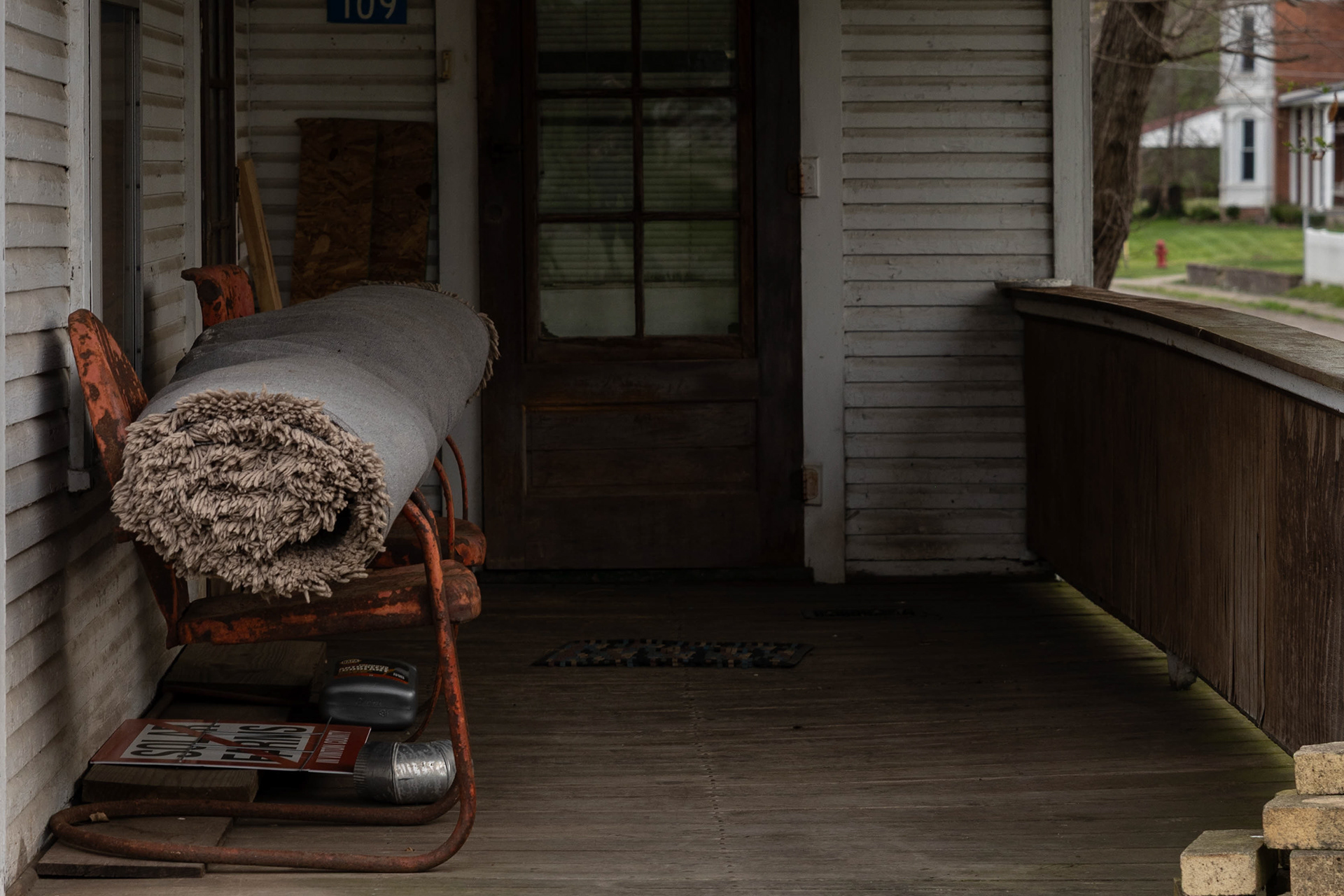
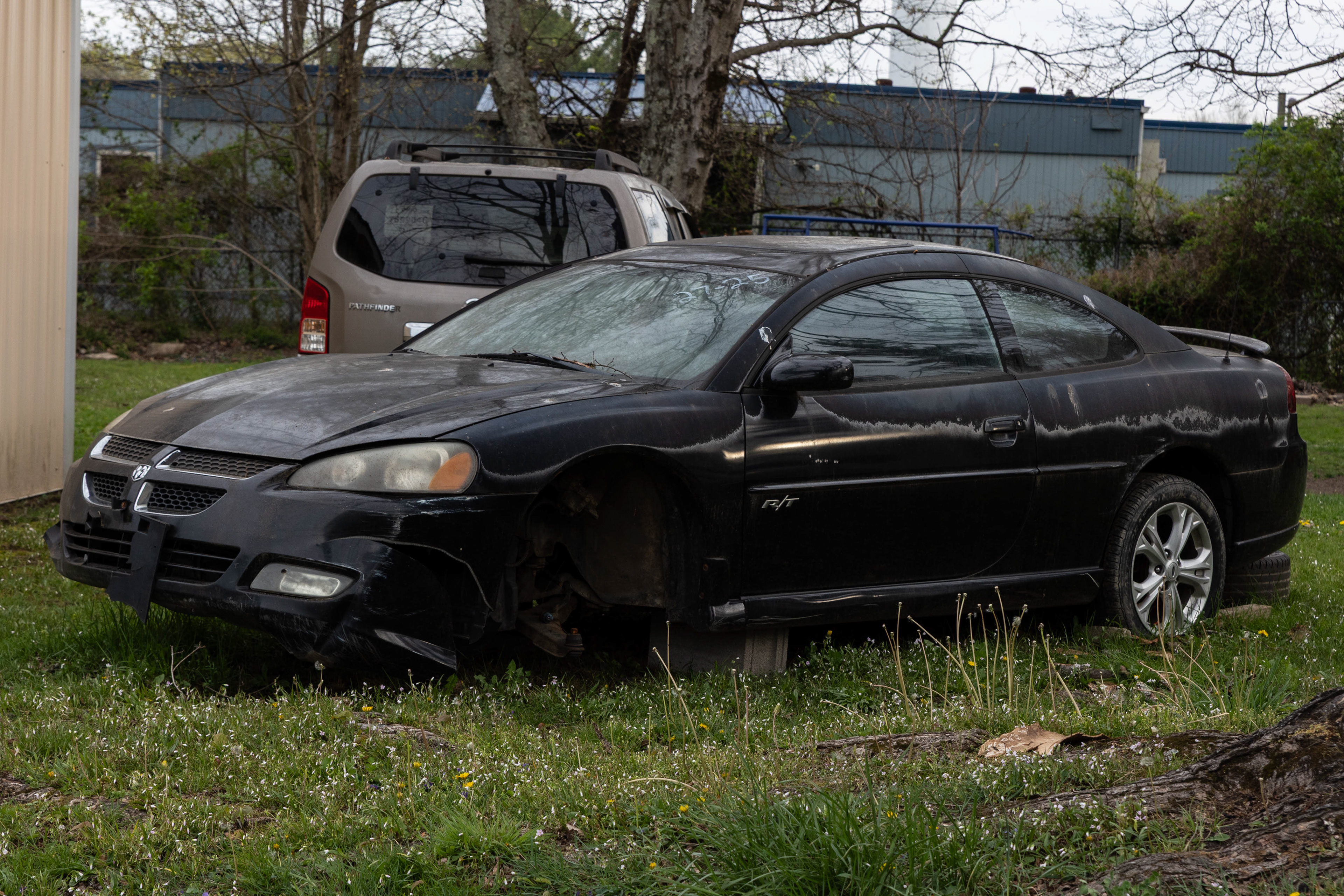
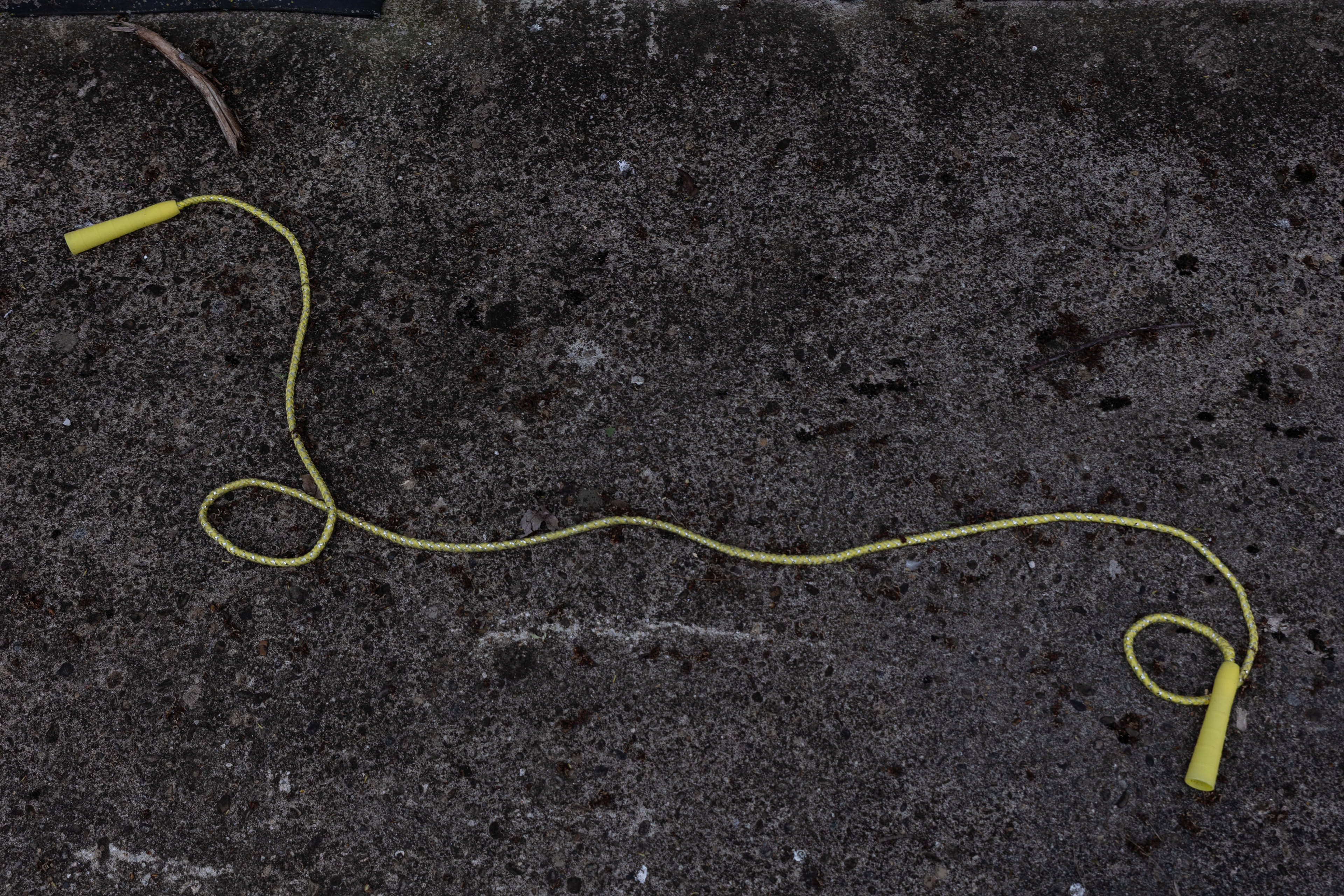
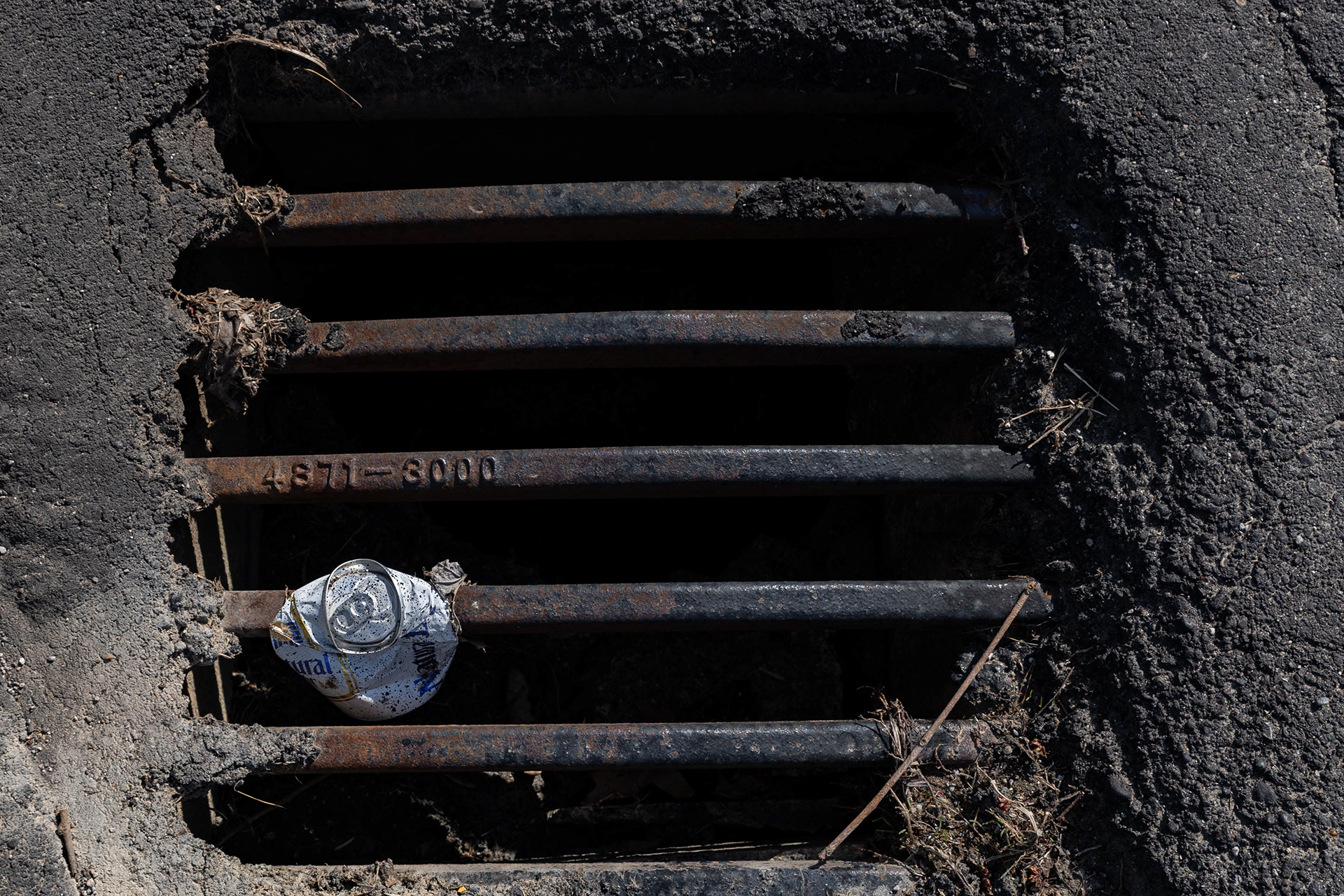
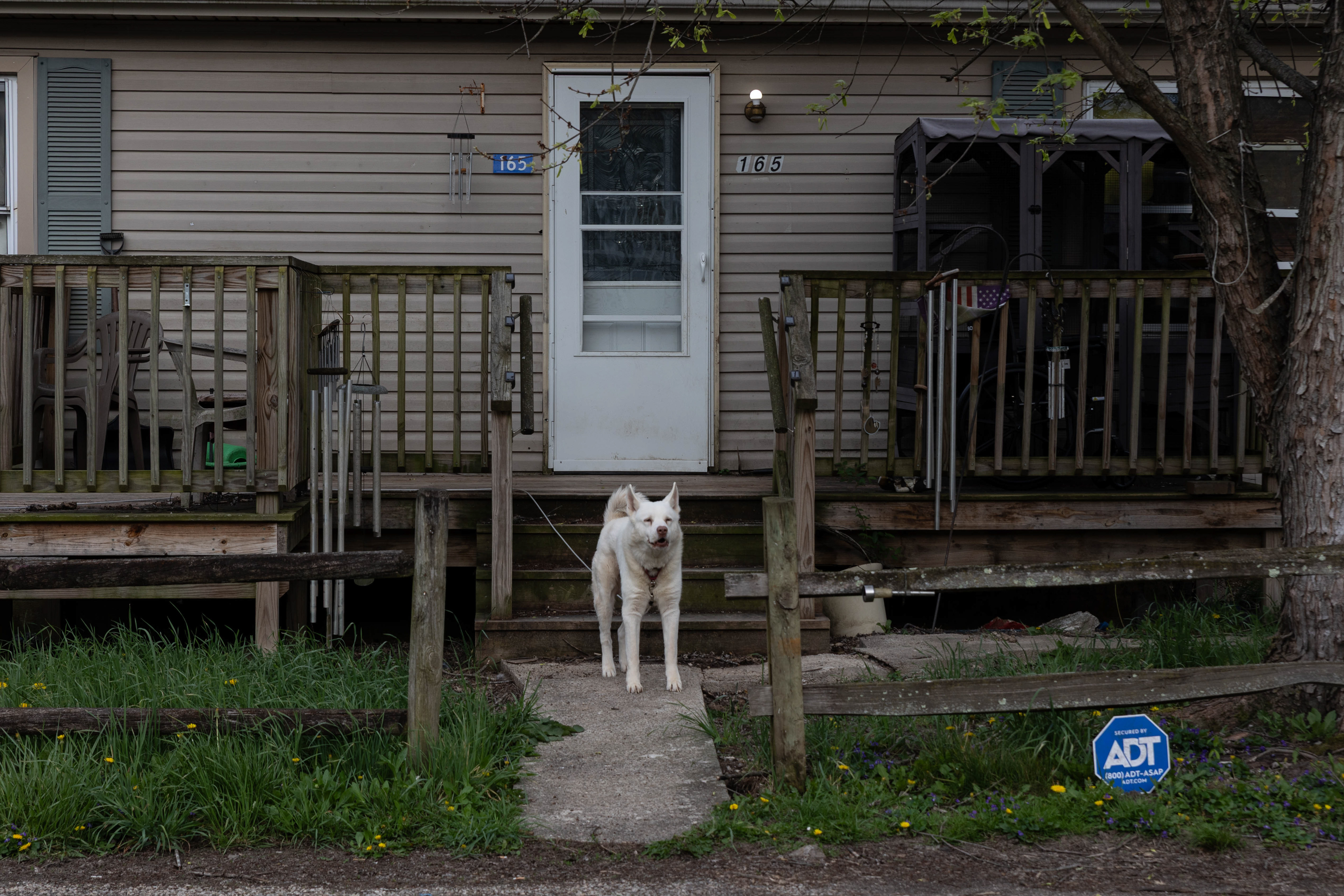
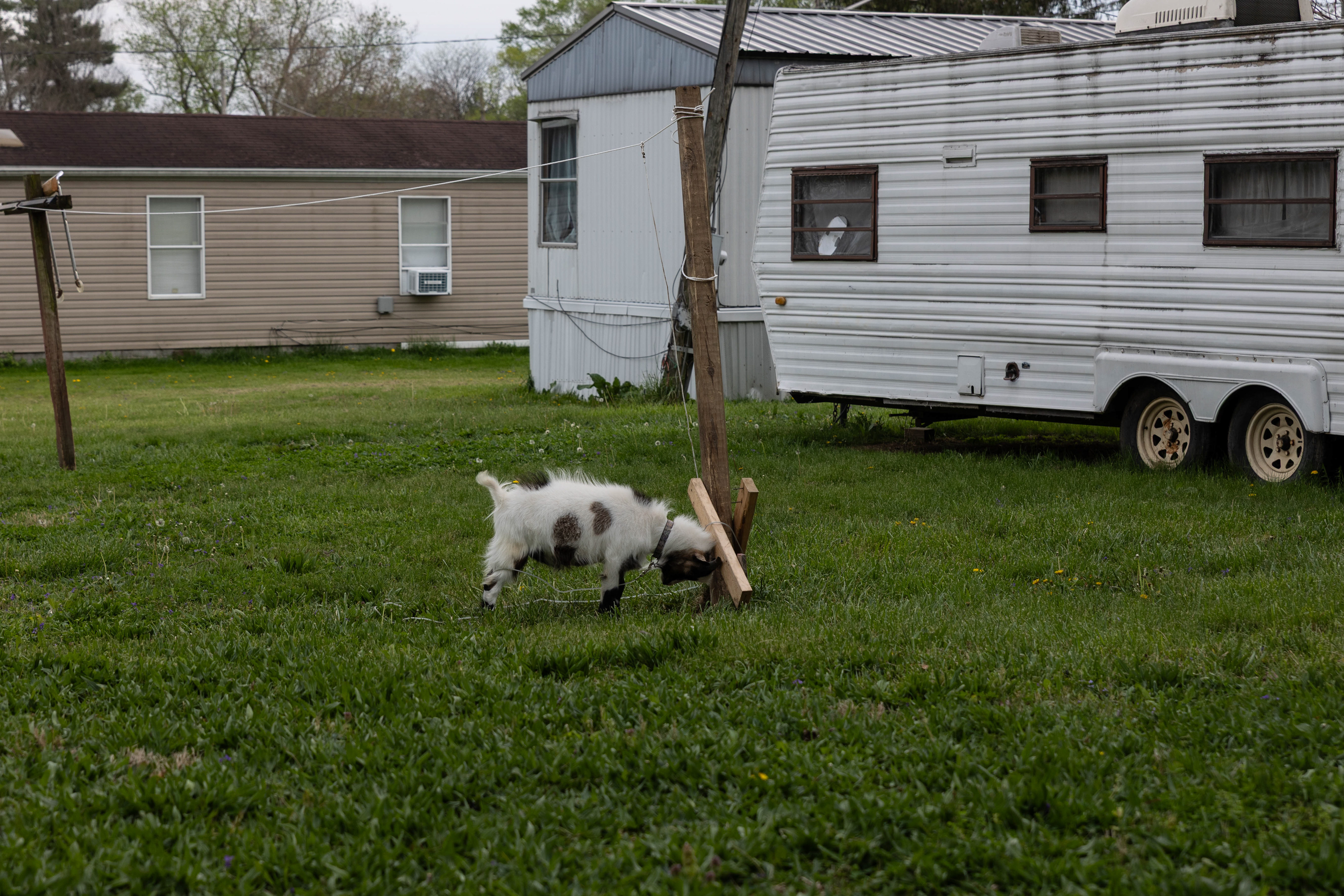
The Residential
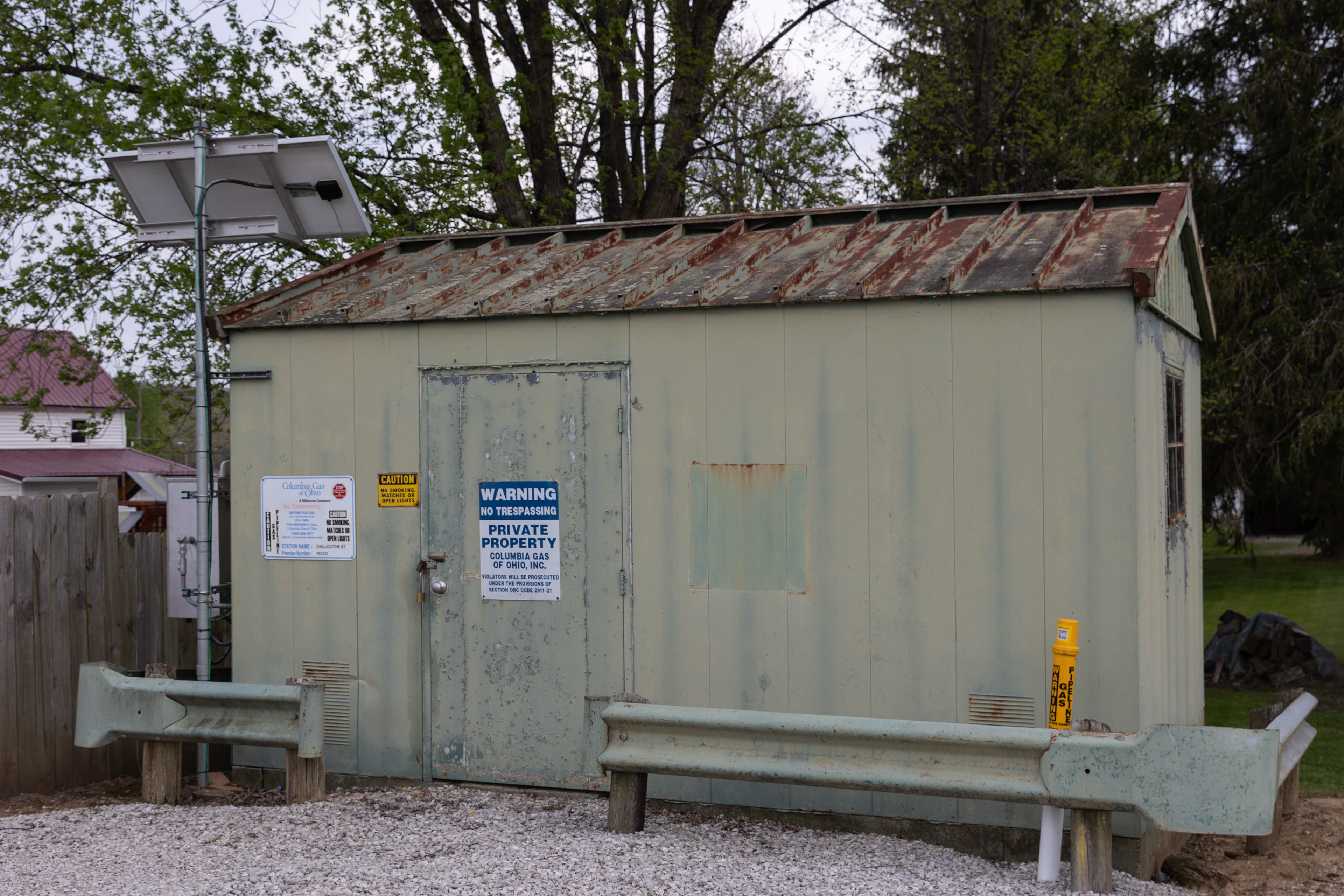
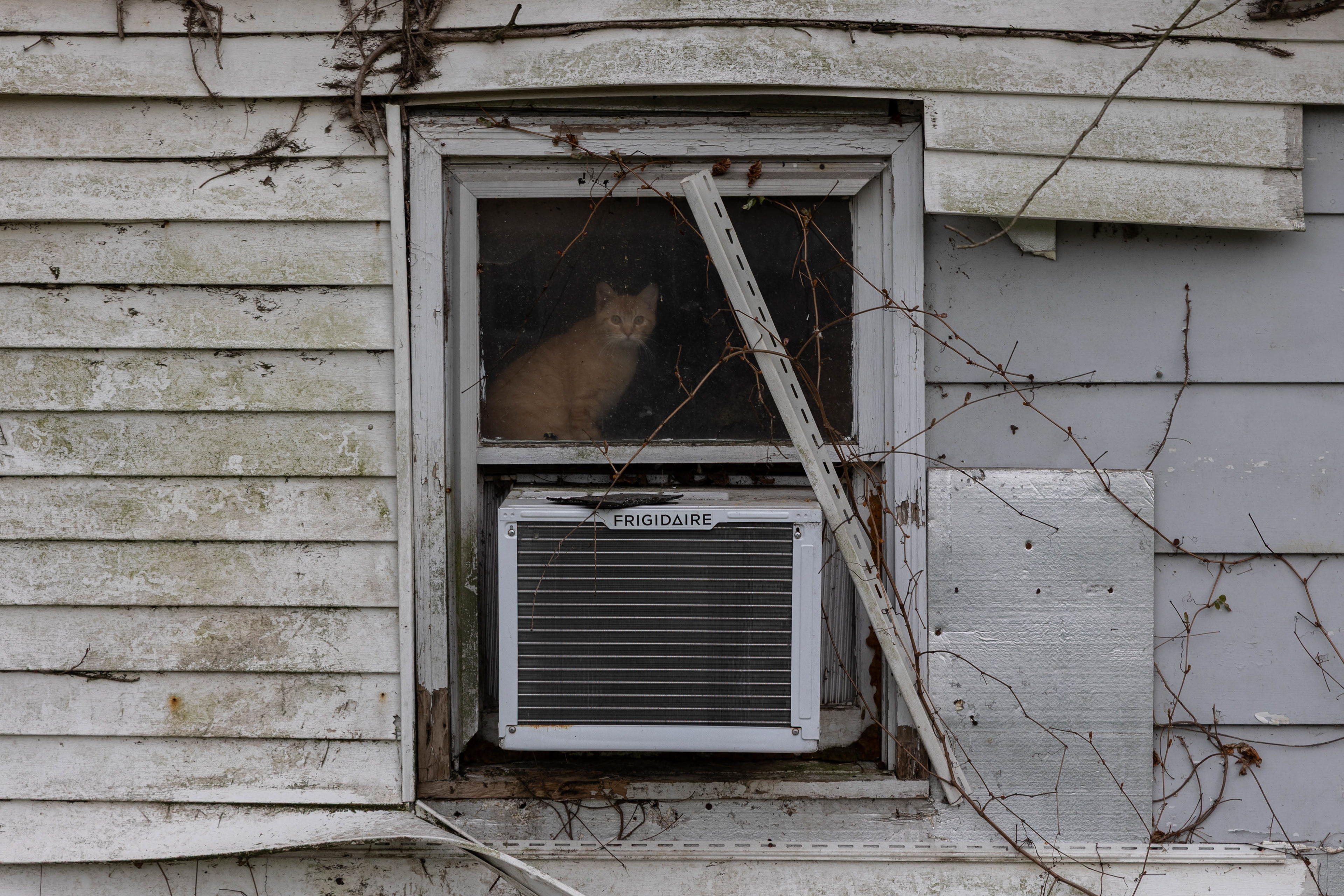
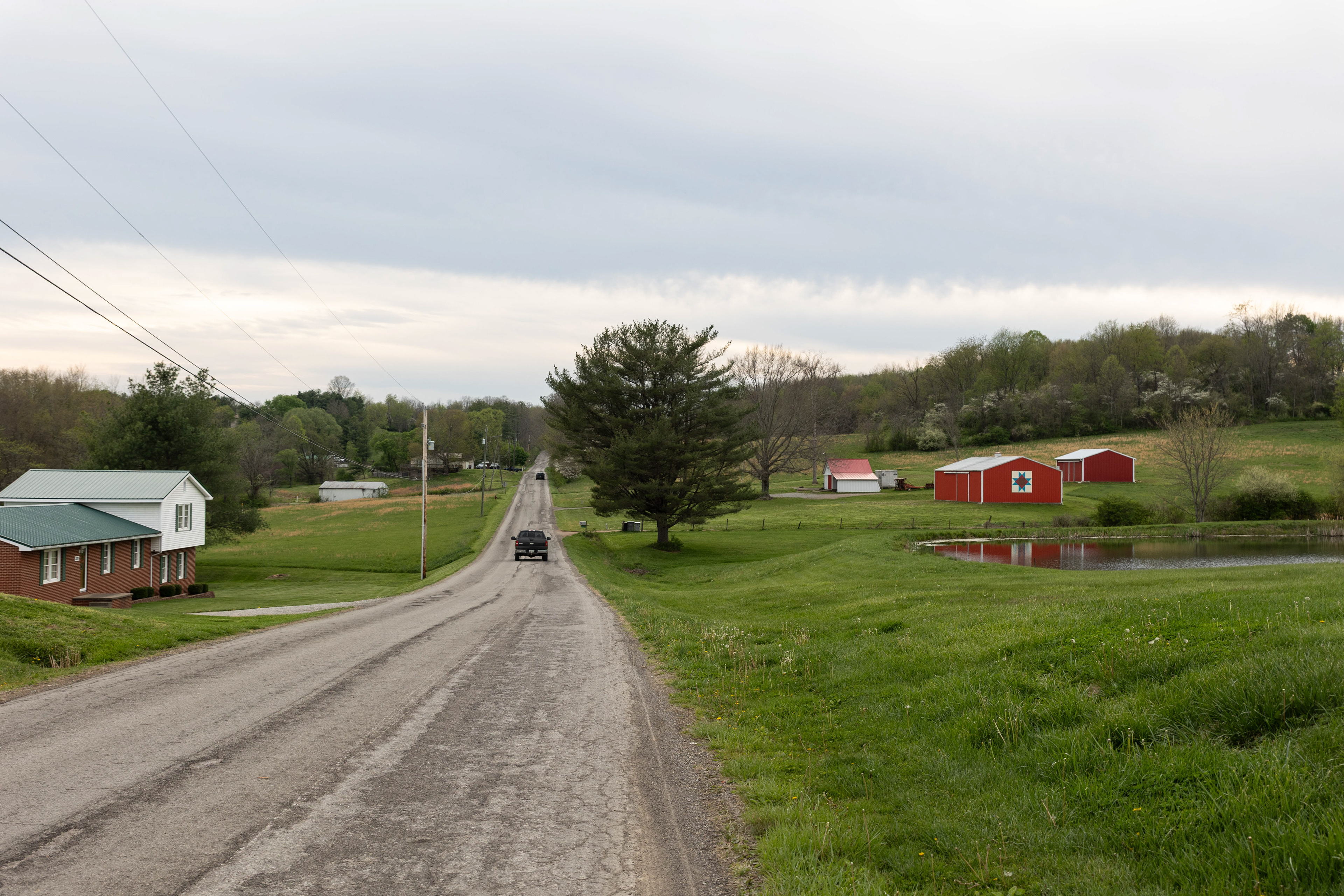
"So, what you would consider progress as a society has consequences, like degraded small-town life, especially if you're closer to a big city, because the big stores can sell stuff so much cheaper and more conveniently."-Tim Maloy
_________________________________________________________________________________________________________________
The Farm
Reverand Arthur "June" Brice Maloy, started the farm in 1952, slowly buying parcels of land and eventually trading a piece of property near Lake Rupert to the state for the 40 acres where our house resides.
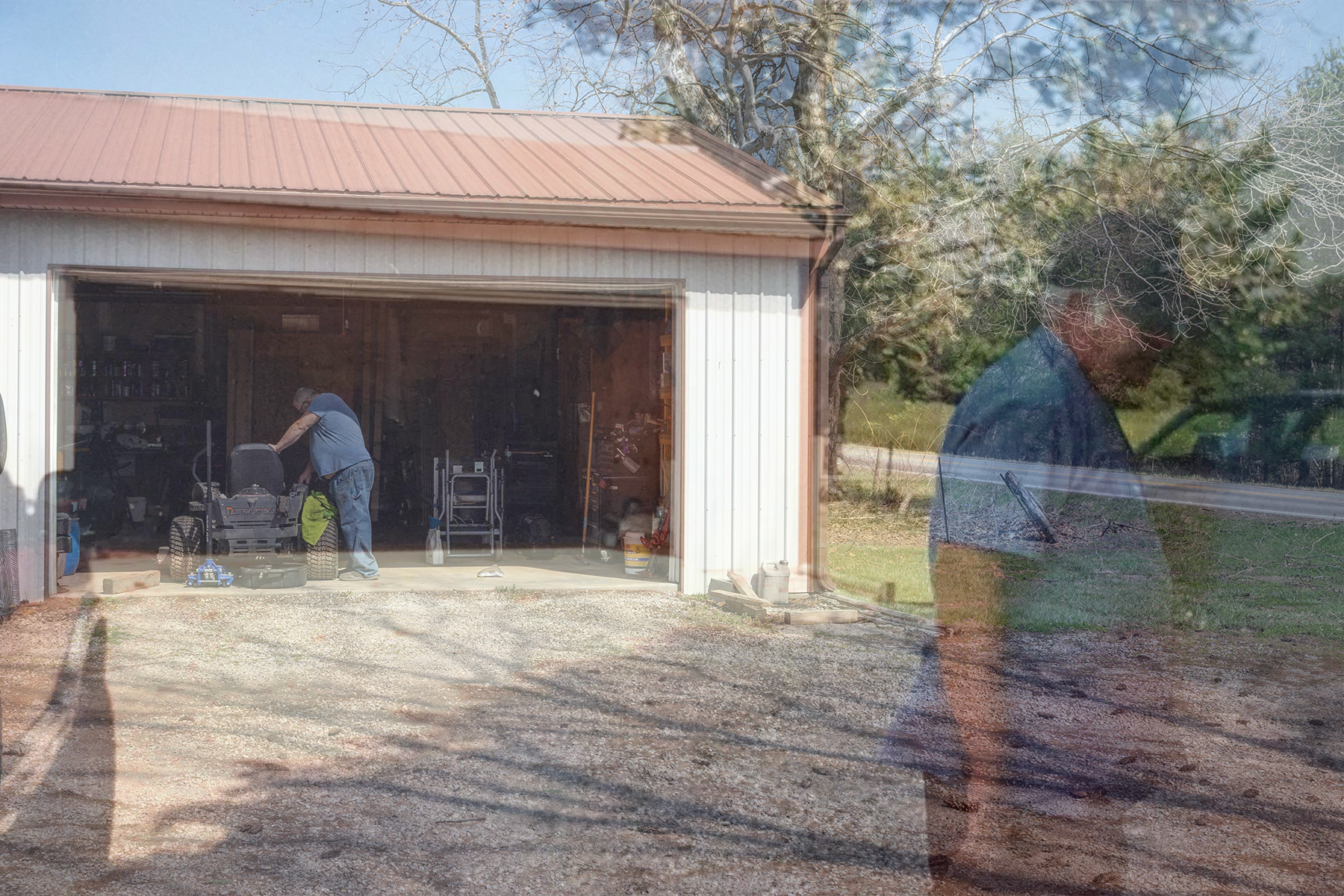
A double exposure using a photo of my grandfather, Arthur "June" Brice Maloy and my father Timothy Arthur Maloy. Tim was adopted by June and his wife, Marge, when he was only a few days old. Tim has never lived outside of Hamden, growing up just down the road and moving to the farthest edge of the property to build his own home after he married.
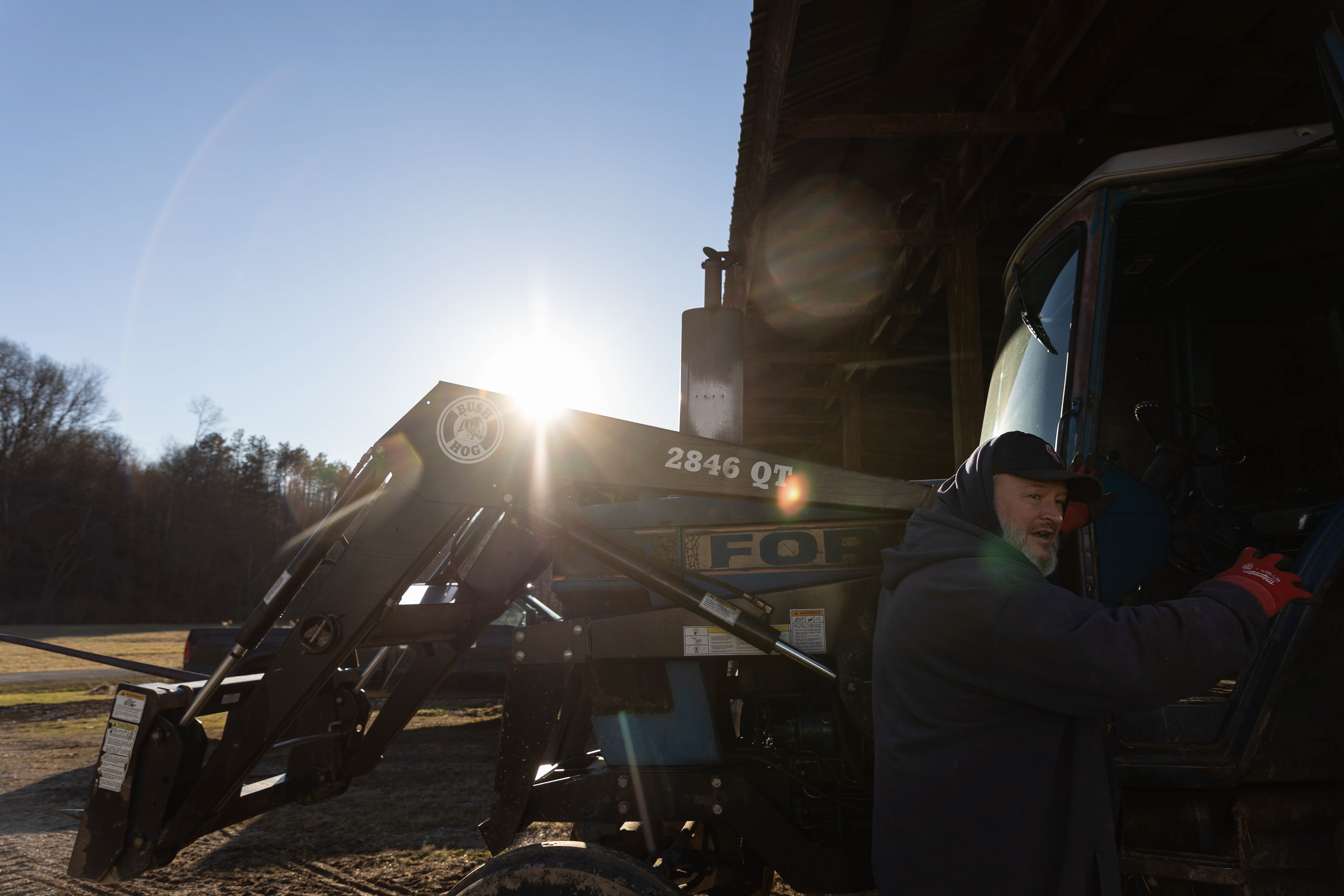
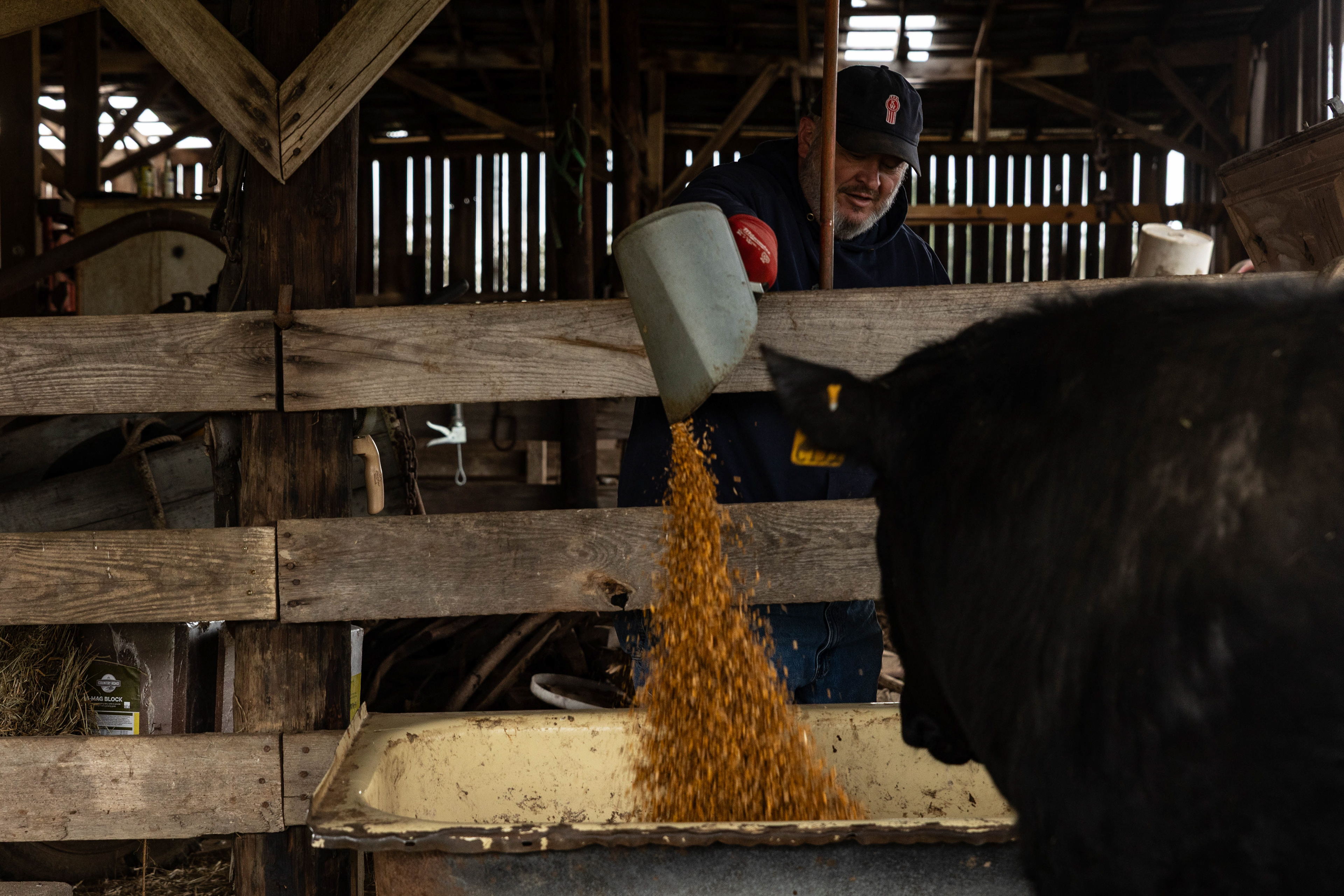
It is what it is, but it's home. I grew up here.
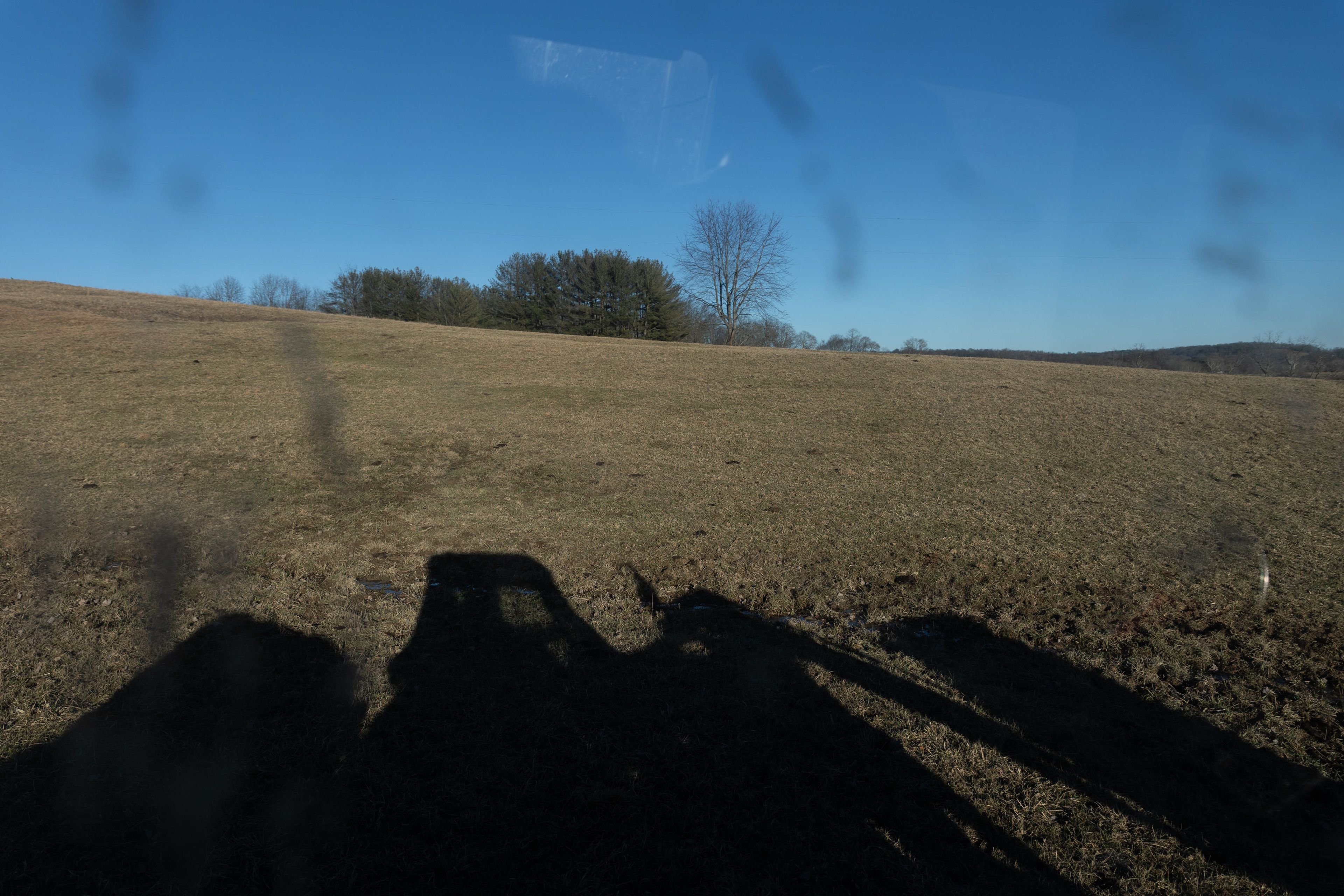
It's not a place that I would choose to move to had I not lived here, grown up here, but it's home. Just where I live, where I'm at and it's not gonna change now after 60 years.
It's not a place that I would choose to move to had I not lived here, grown up here, but it's home. Just where I live, where I'm at and it's not gonna change now after 60 years.
I like not having a lot of people around.
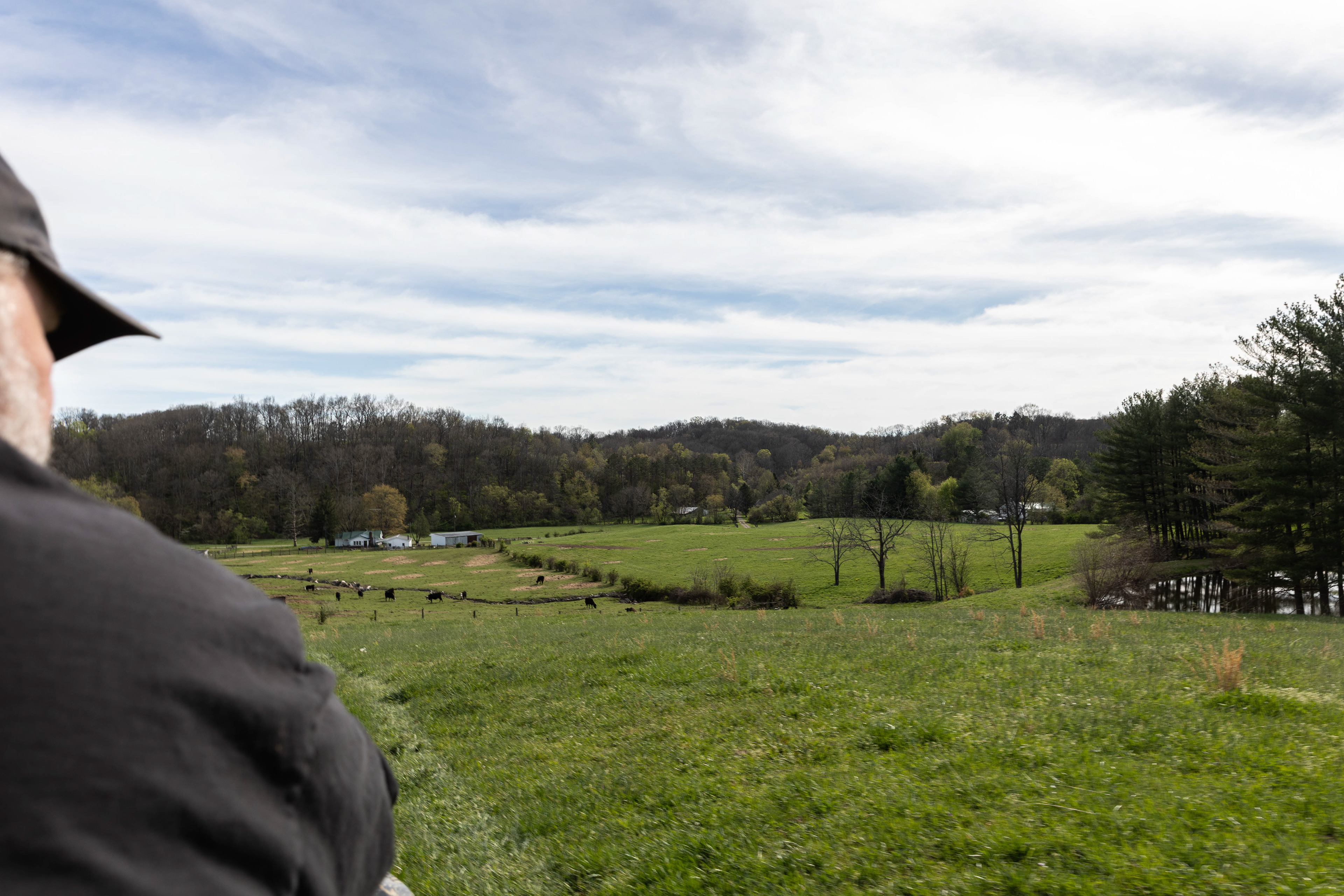
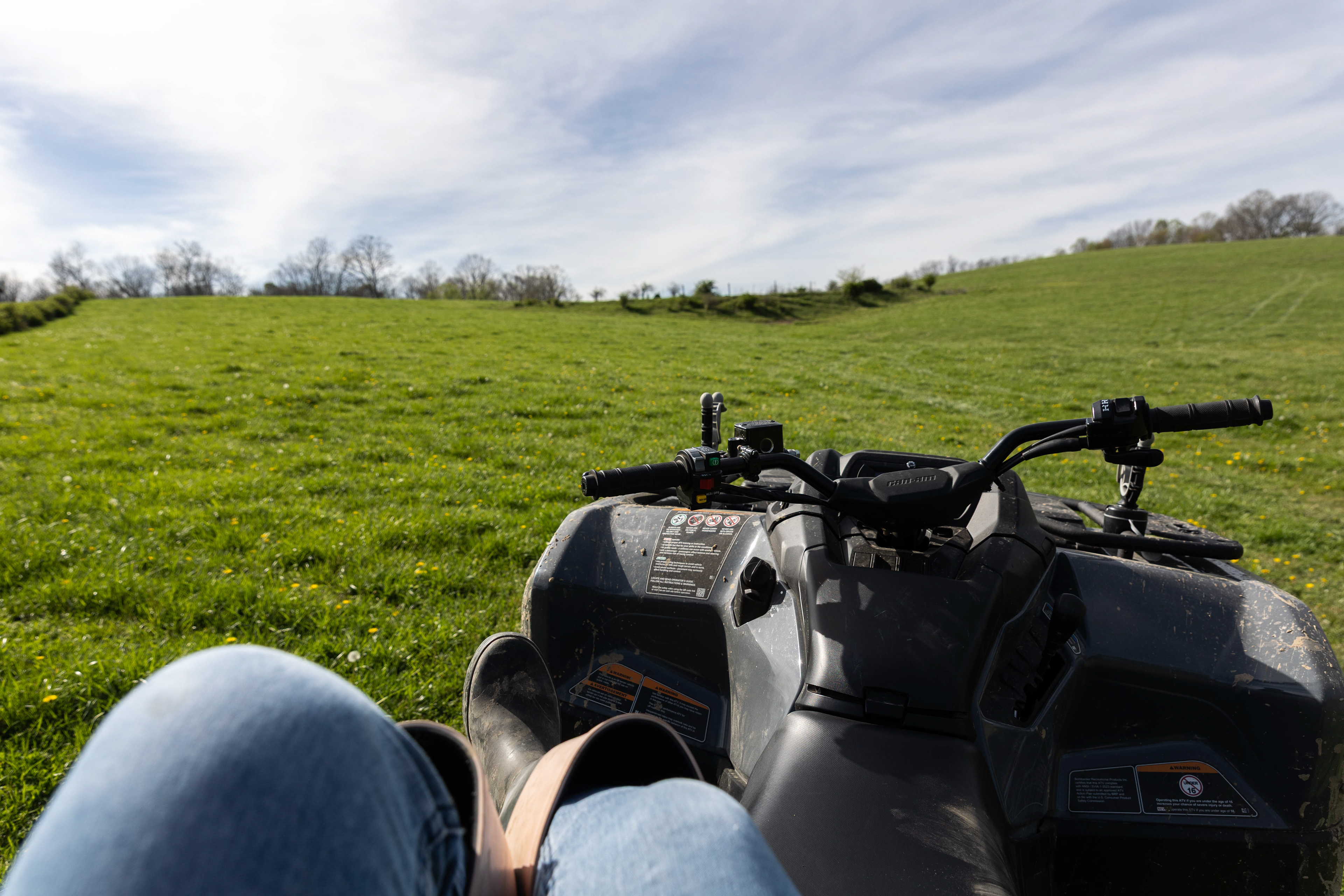
Always have, even as a little one, I used to be able to ride my bike up and down the road and not see a car all day long. You get room to do stuff. Go fishing, go hunting, lots of room to play.
Always have, even as a little one, I used to be able to ride my bike up and down the road and not see a car all day long. You get room to do stuff. Go fishing, go hunting, lots of room to play.
Tim Maloy
_________________________________________________________________________________________________________________
The Farmhouse
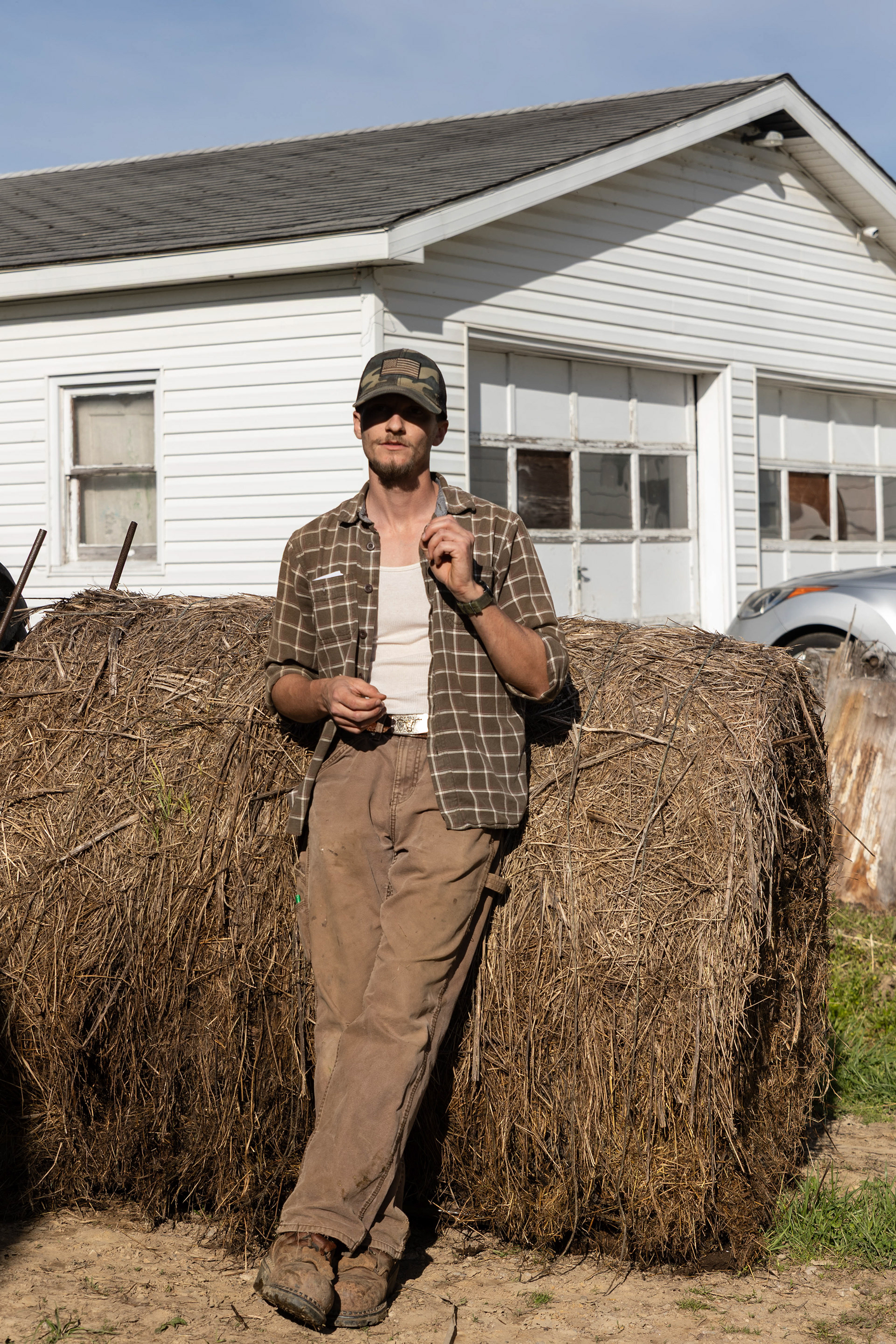
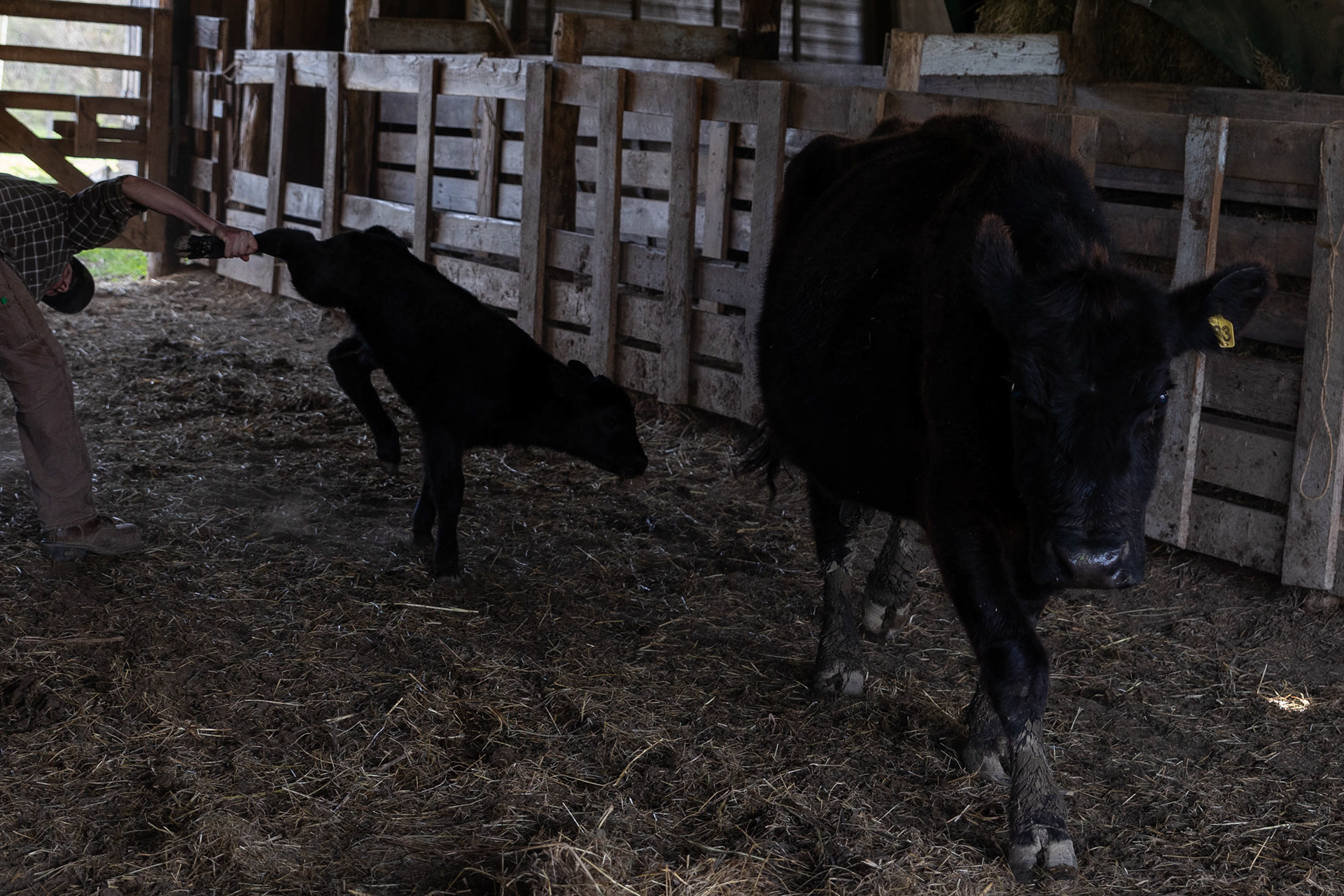
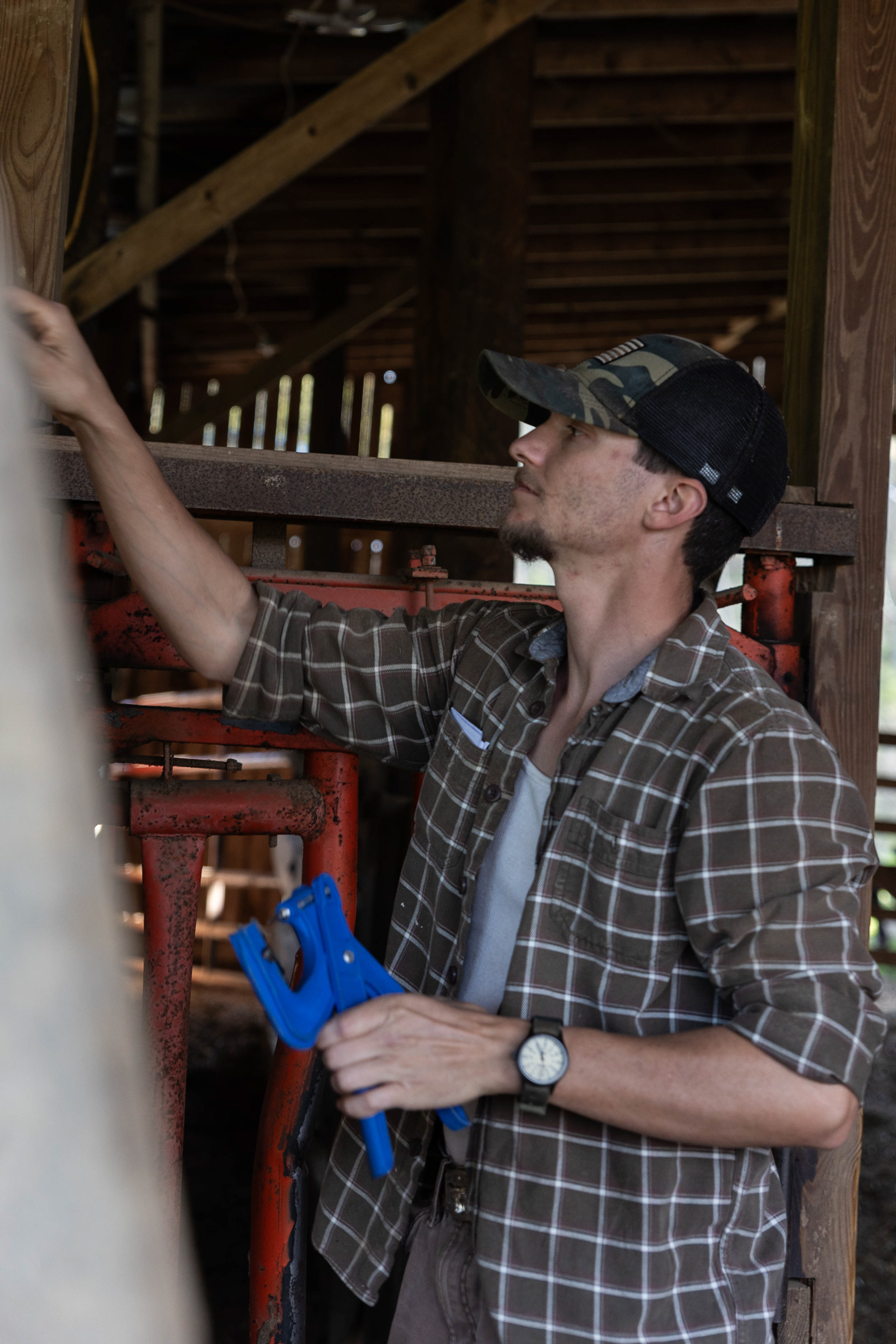
TJ Maloy, the eldest son in the family, has become the third-generation owner of the farm and the "farmhouse" that was brought to the property by our grandfather, Arthur Maloy. TJ and his wife, Nicole, have worked to fix up the historic farmhouse which used to be a coal mining house in Orton, Ohio.
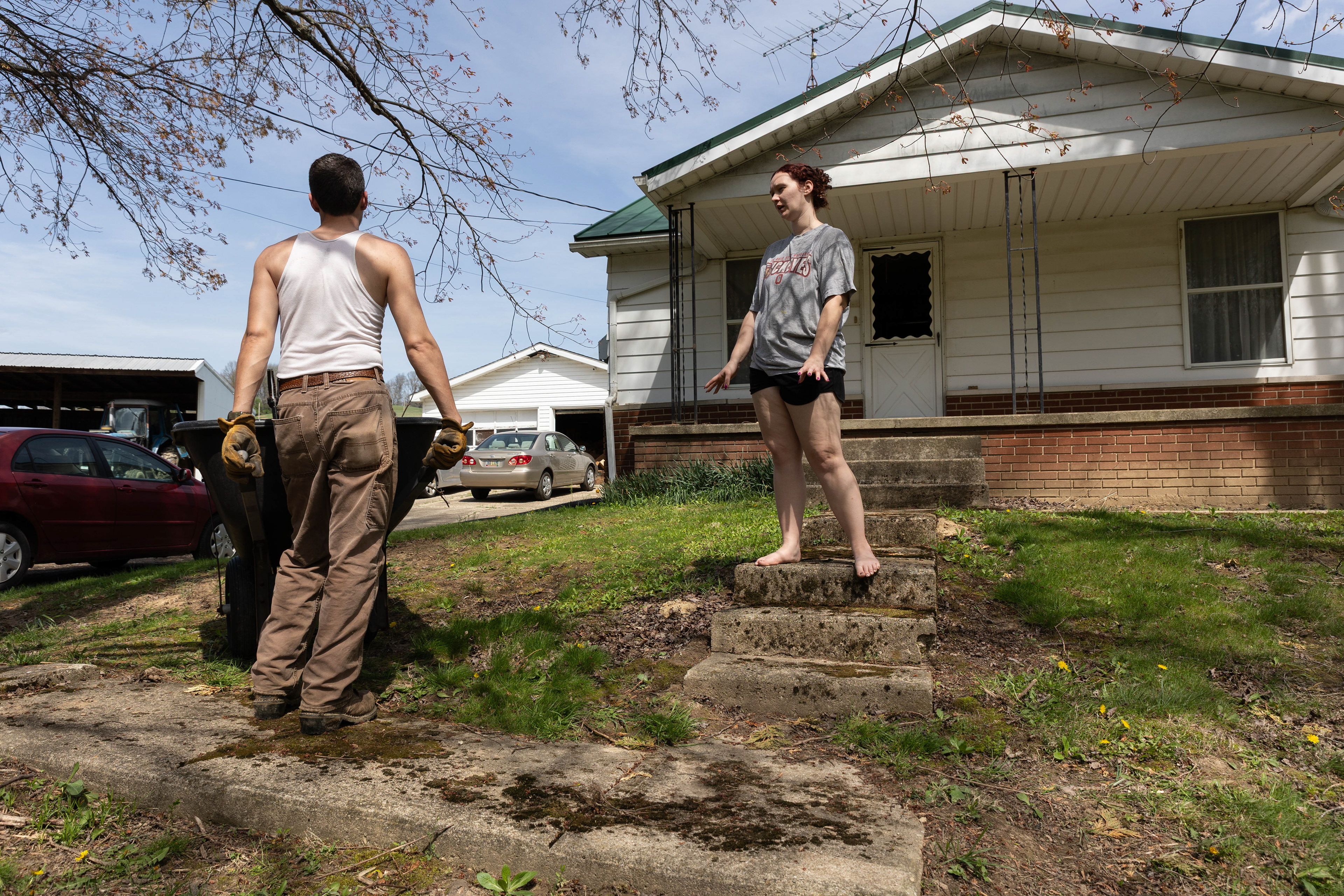
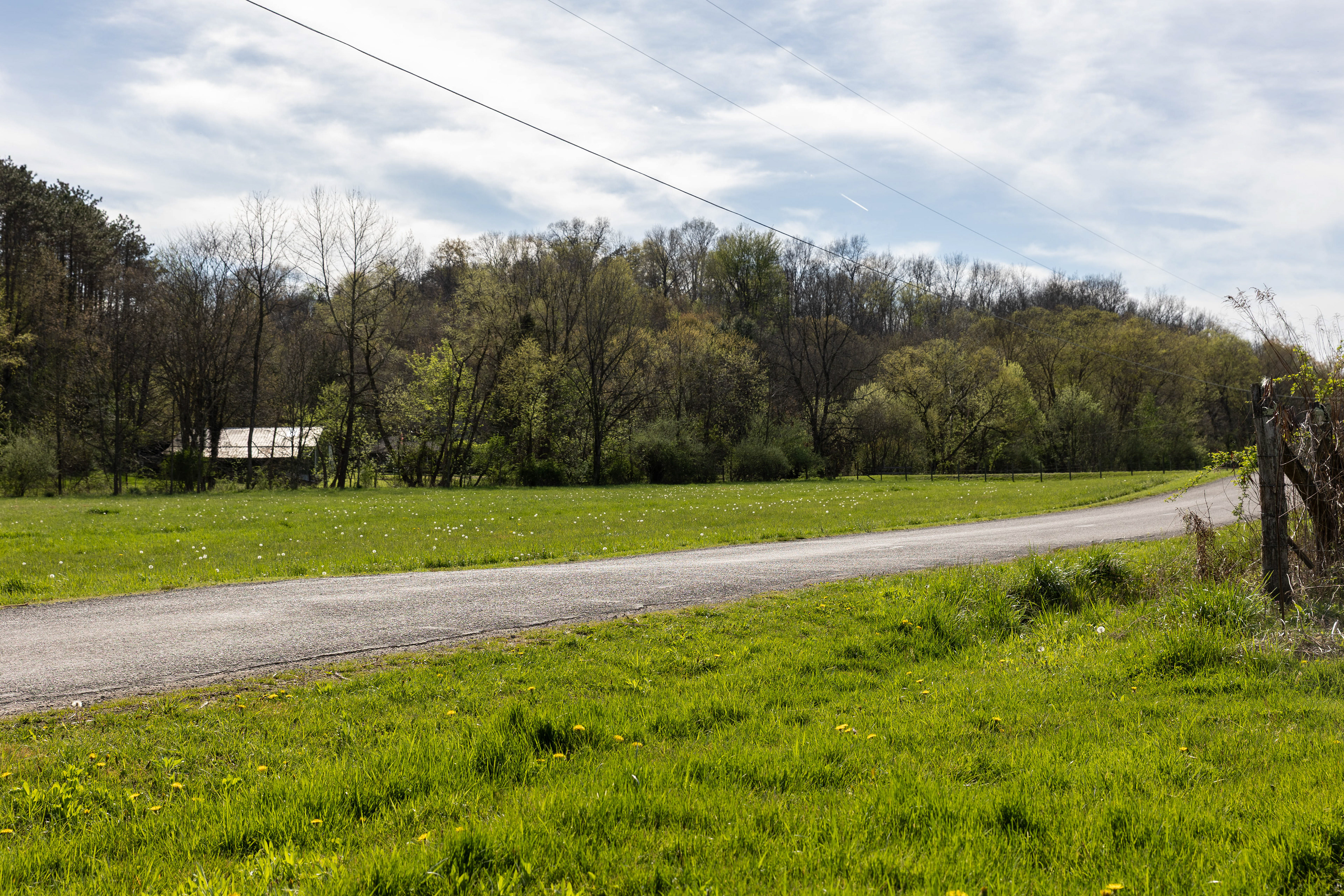
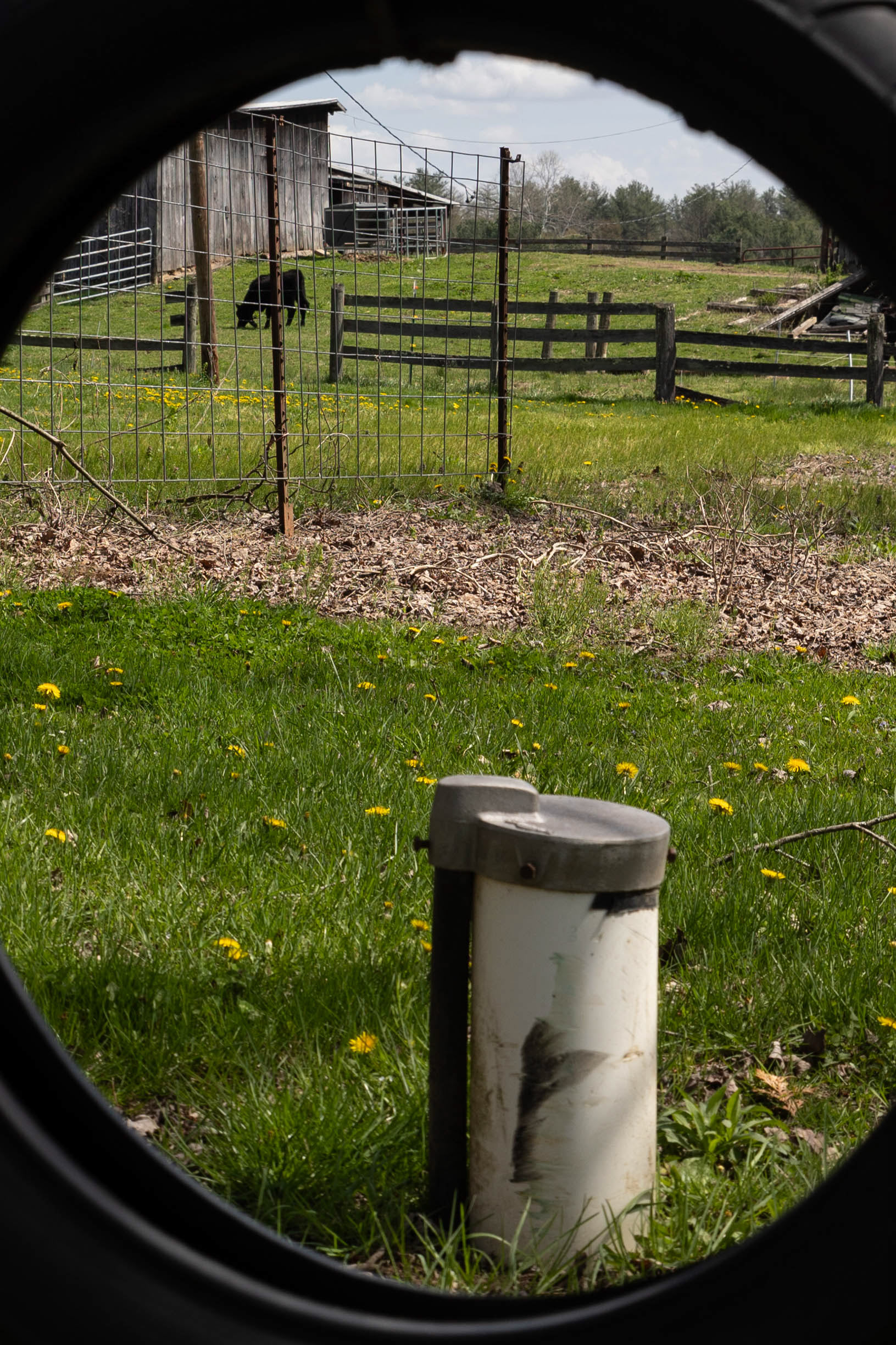
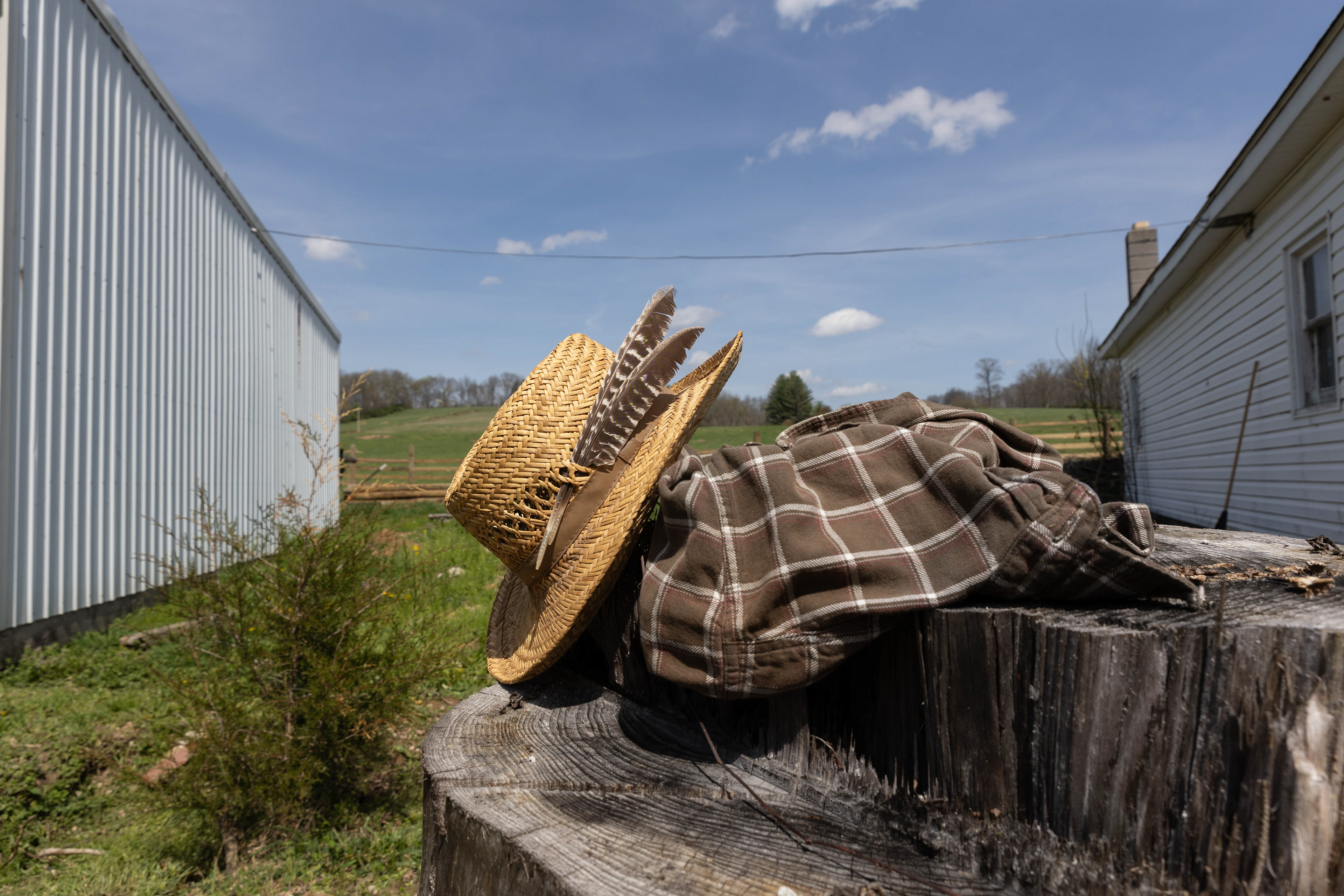
I really considered leaving for a couple years. I would even look at homes and land for sale in the area [South Dakota and Wyoming] I wanted to go. I never did leave though, because at the end of the day I have too much here to give up. I have a family heritage and a regional culture I'm proud of, and there are family assets here worth holding onto to keep for the next generation to inherit.
The farm is important to me for many reasons. It's where I grew up, it's the only home I've ever had. The original parcel has been in the family since 1952, so it's a central part of our family history. It allows me peace and quiet, freedom, and space to live how I want to live. I love the outdoors; fishing, hiking, hunting, all of it. And owning the land allows me to enjoy the beauty of God's creation privately, and to manage the land and keep it healthy. It's also a source of supplemental income, and hopefully one day it will be my only form of employment. I can't think of any better life than to have the privilege of working for yourself on your own land and earning a comfortable life from it.
It is by far the biggest reason I've stayed in Hamden. By staying here, I secure the family name, honor our history, and contribute to the building of generational wealth that will hopefully someday be passed on to the next generation of our family.
TJ Maloy
_________________________________________________________________________________________________________________
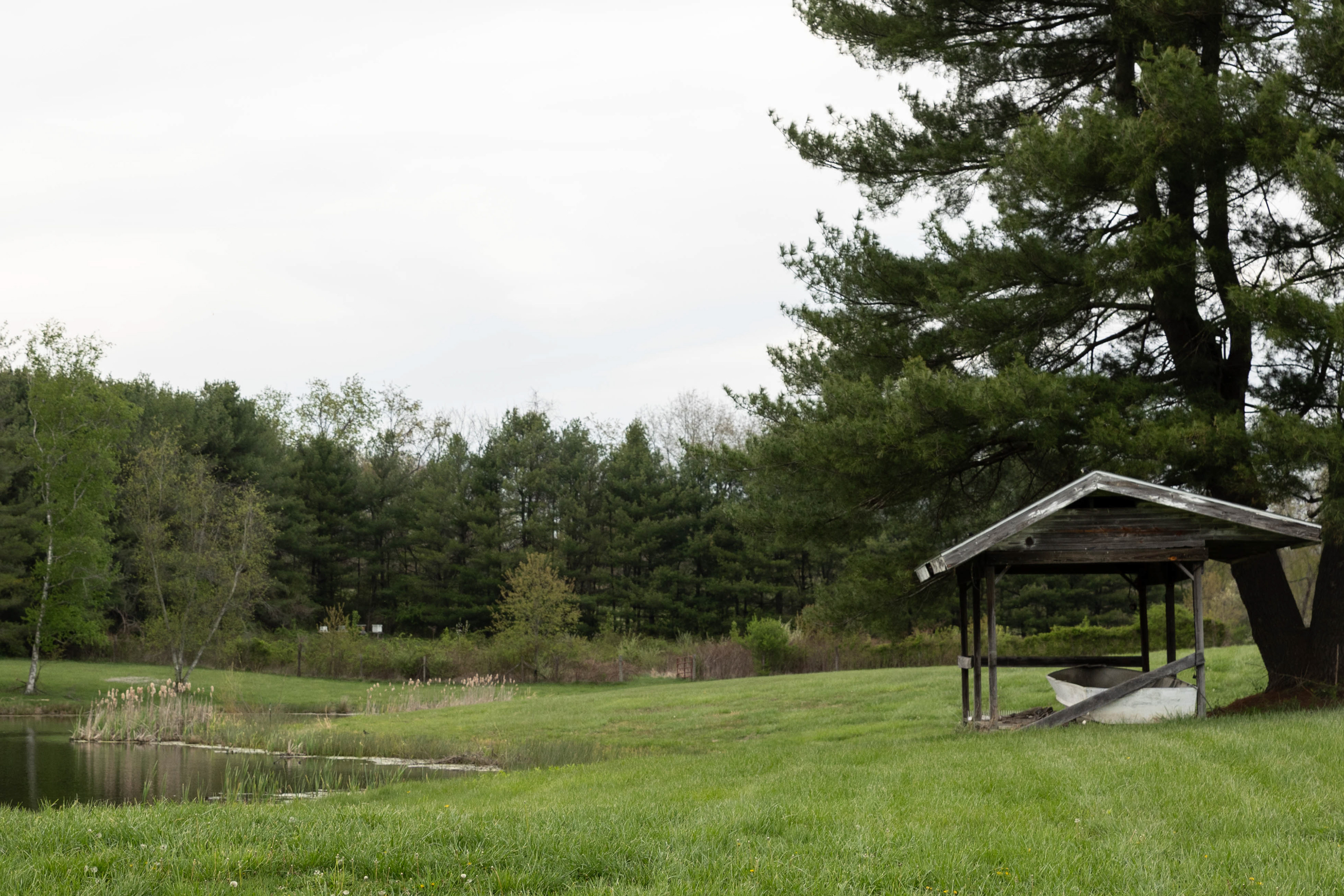
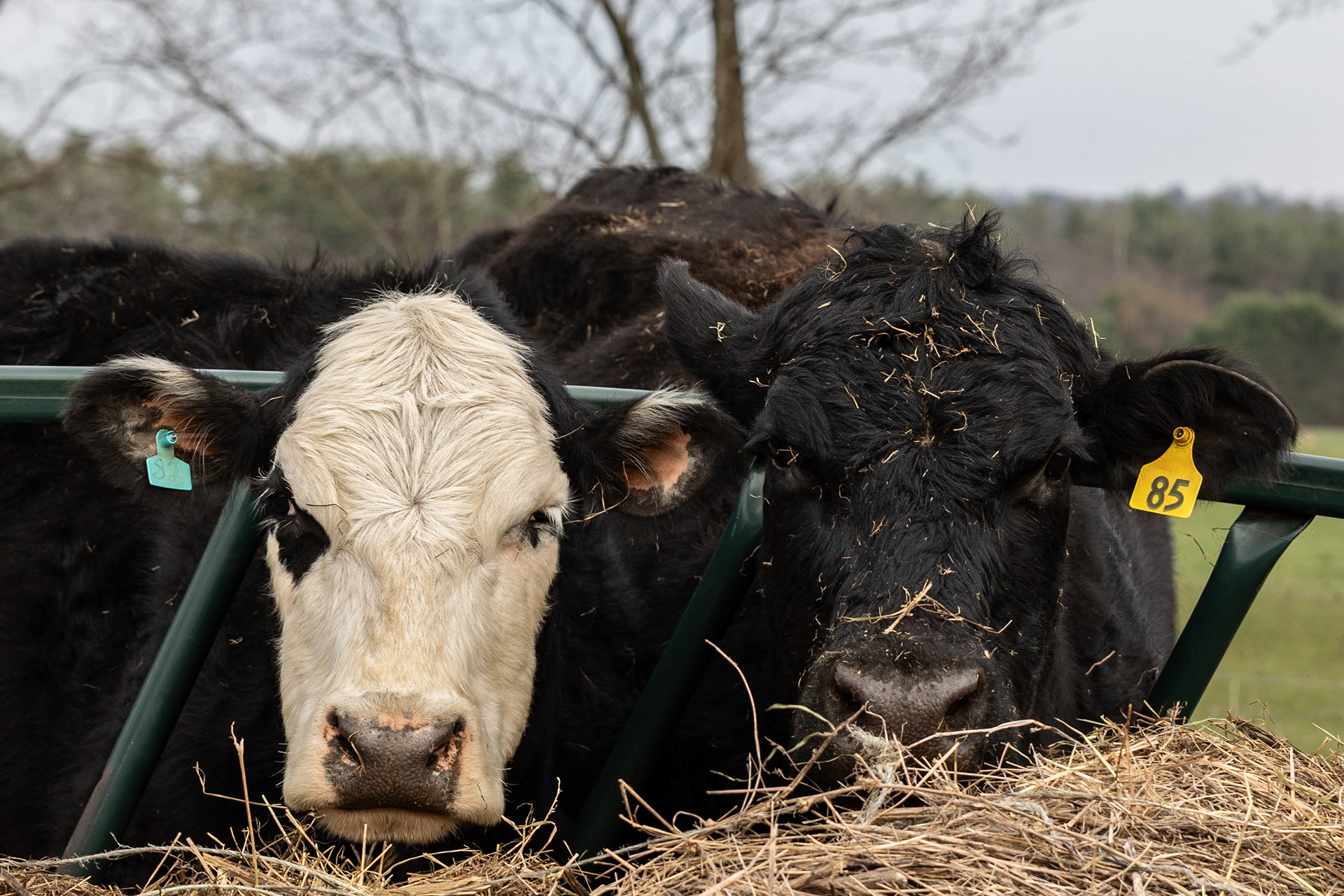
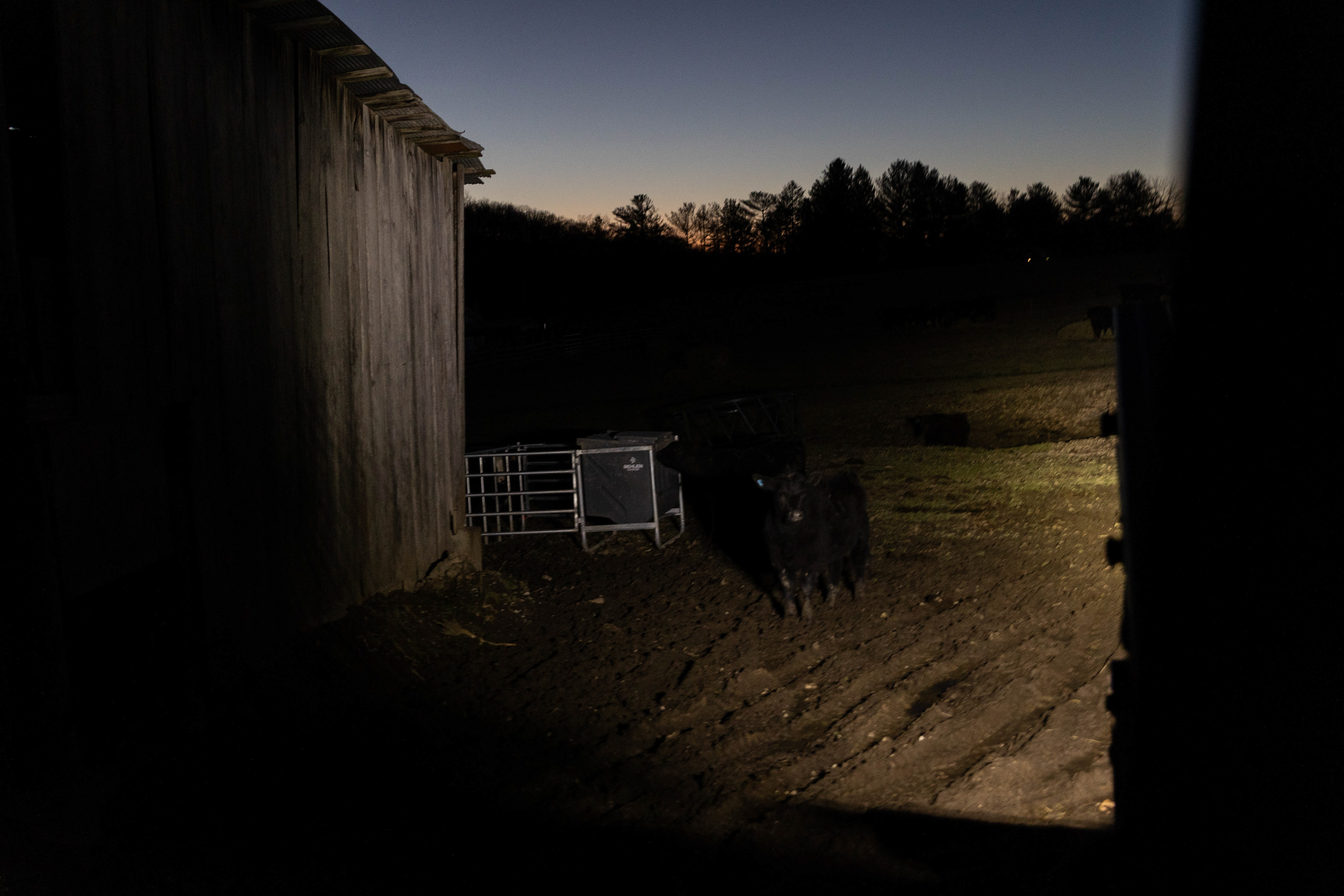
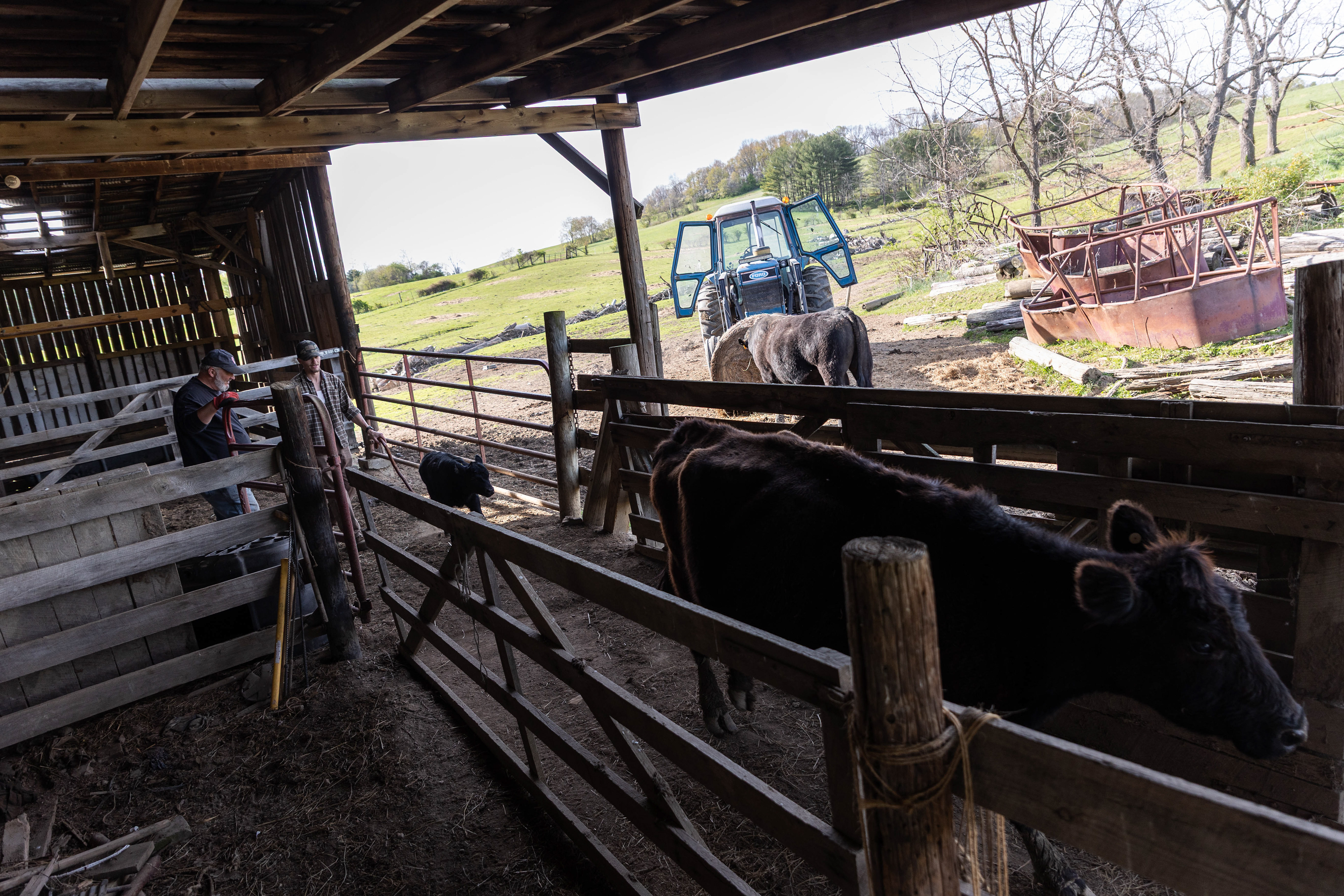
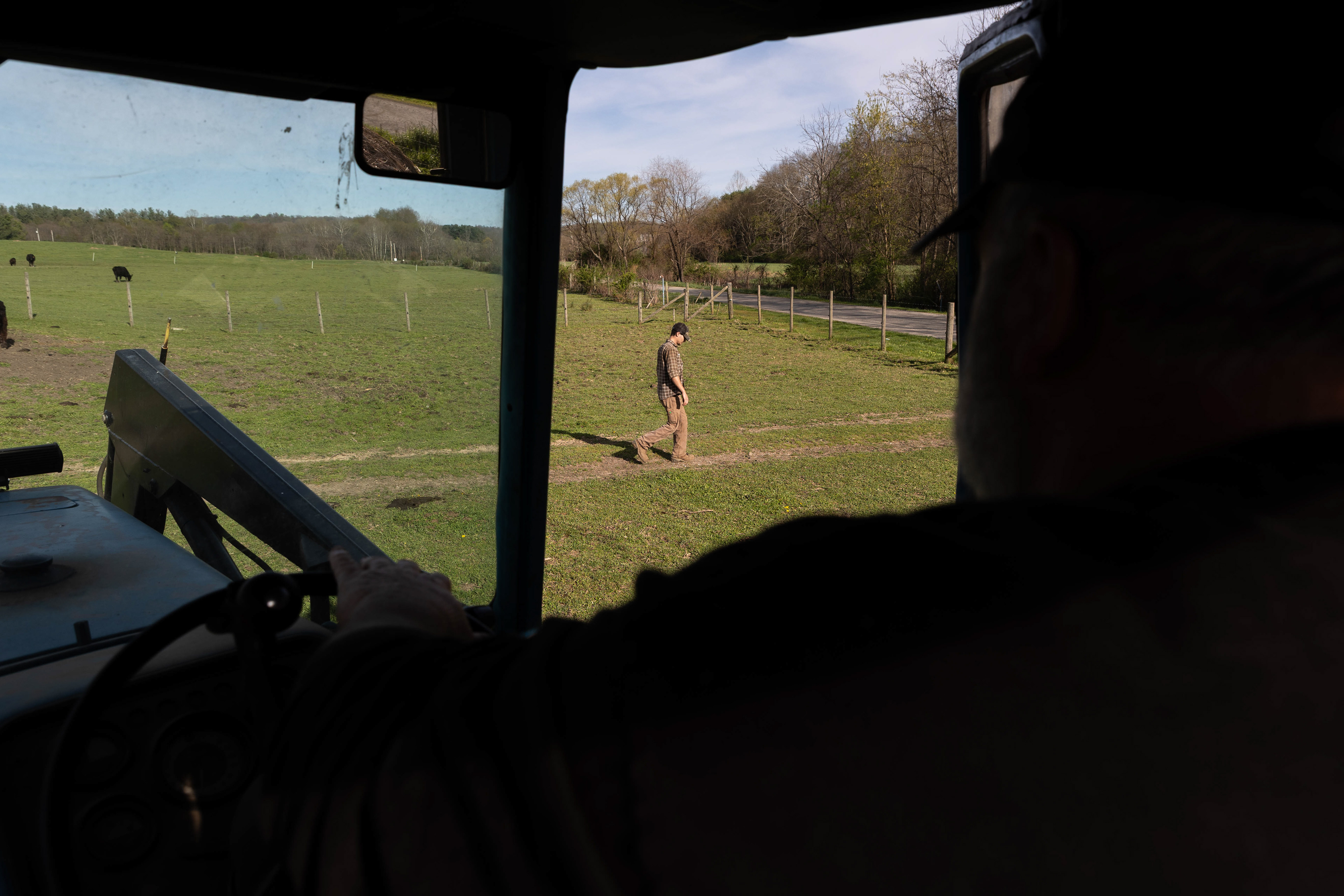
"I guess, as long as somebody wants it, I'll pass it on, and hopefully they can have kids and grandkids who go fishing in the pond and play in the woods. Most kids don't get that opportunity anymore, less and less all the time have a place to go do whatever."-Tim Maloy
_________________________________________________________________________________________________________________
Home
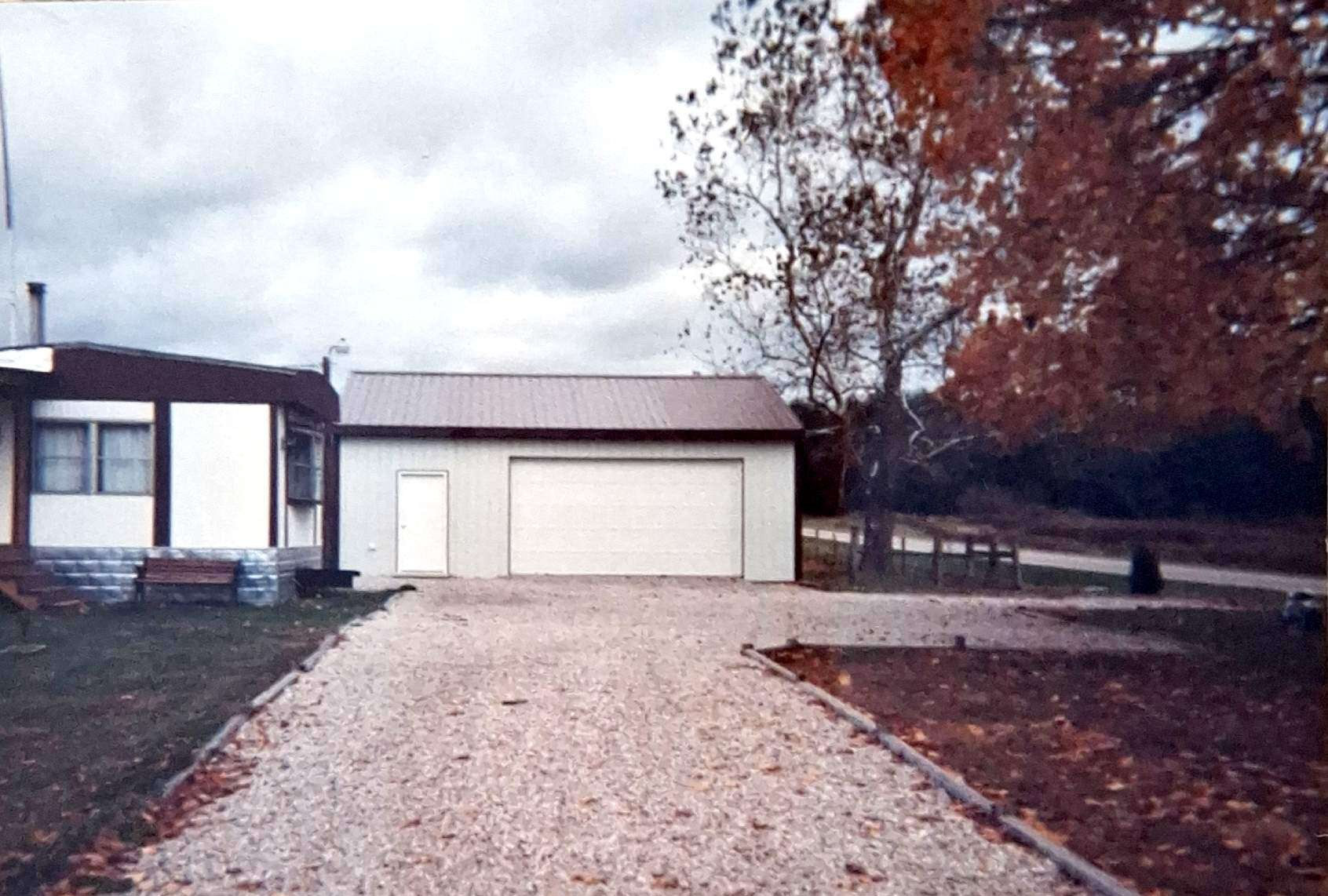
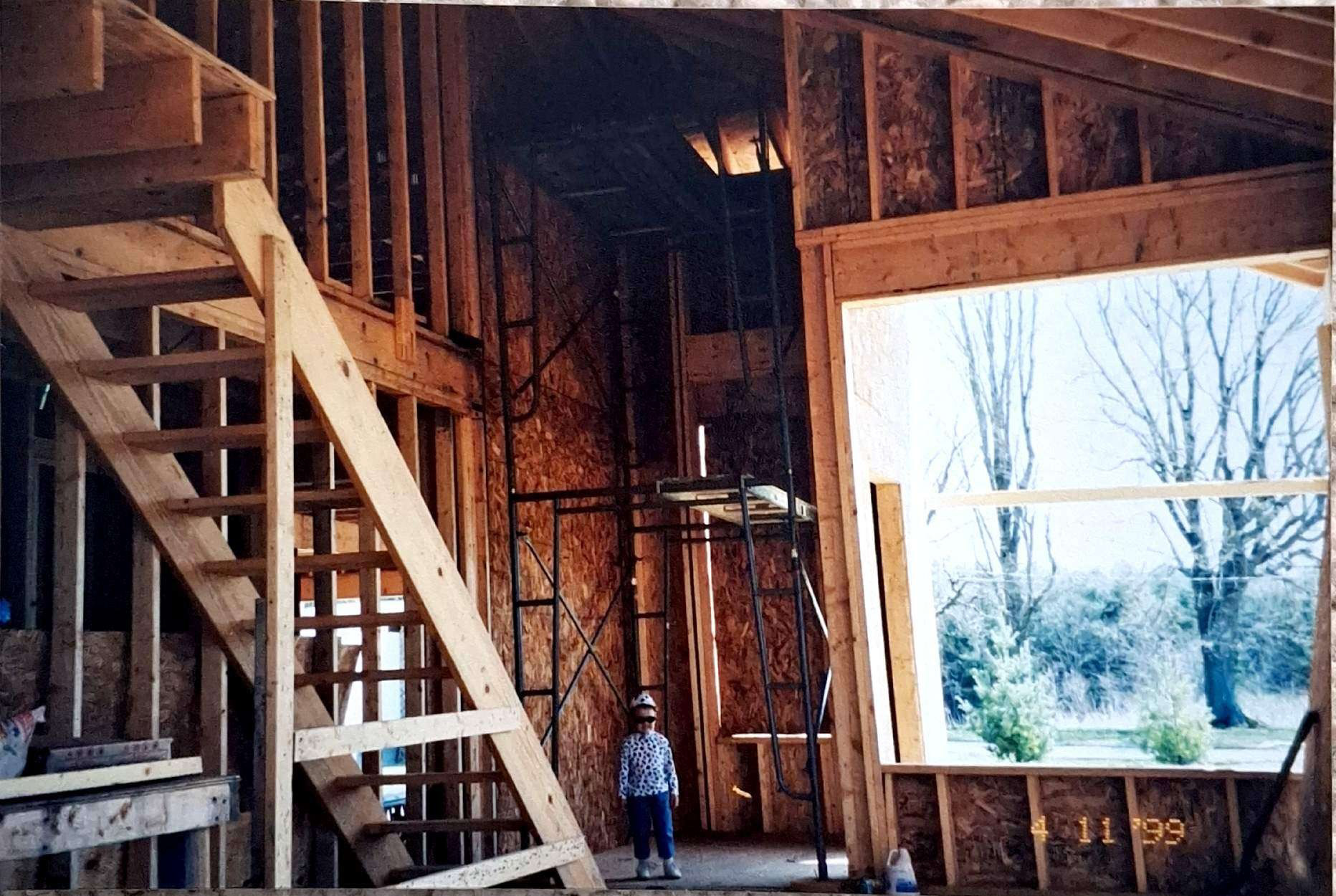
My Dad, Tim Maloy, started building the house we live in now in 1998, but before that, we lived in a trailer at the edge of the property until I was 8-years-old. Both homes are only feet away from each other and have only solidified my attachment to not only Hamden, but the farm.
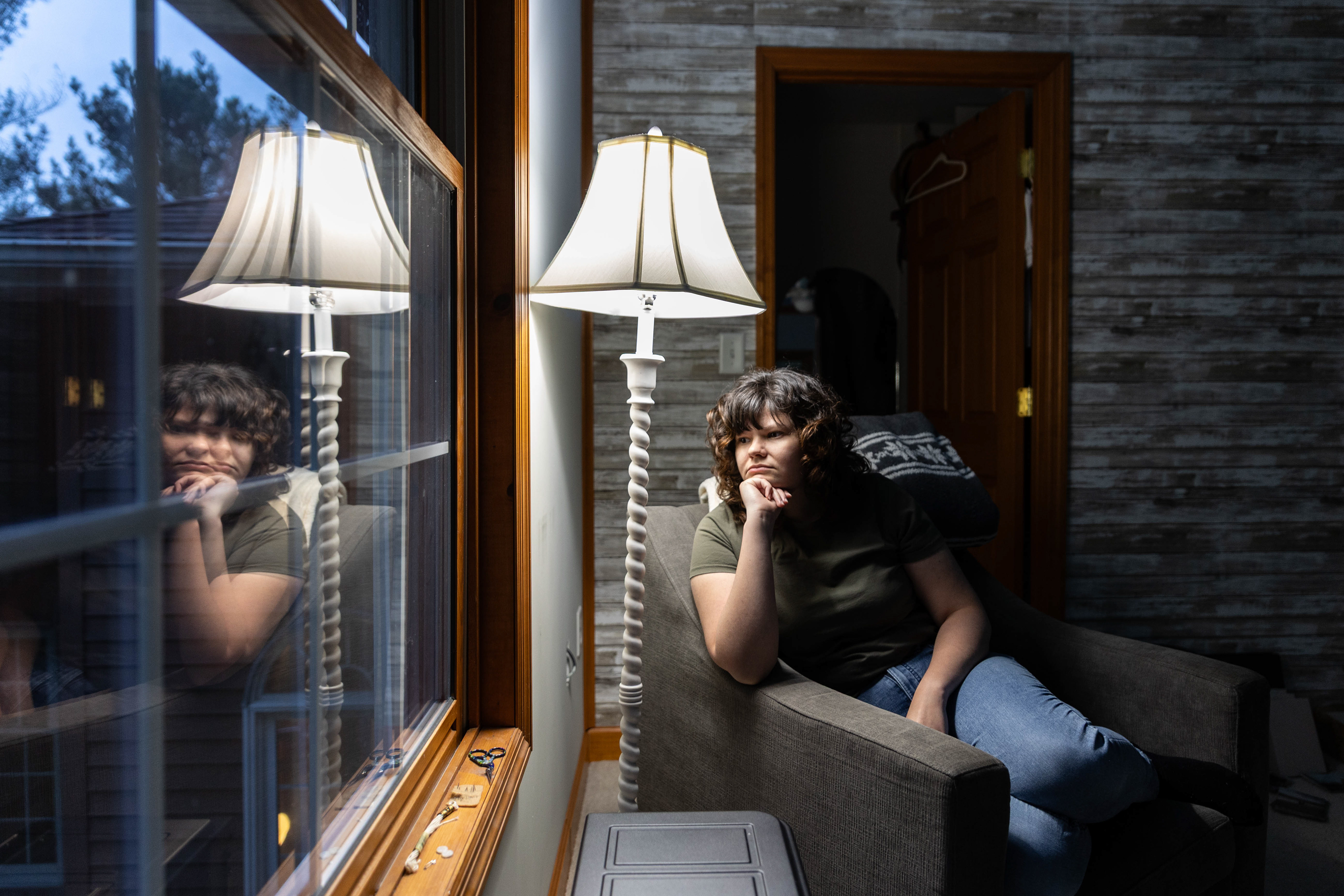
For a time, I thought I wanted to move away to the city. Maybe New York or somewhere on the East Coast. But the longer I lived in Hamden, the older I became and the more I travelled in college, the more I realized my dreams had changed.
I love my hometown, regardless of the degradation. The community and people who live here are all I need in my life to feel complete. I want to give back to the village who has given me so many valuable life lessons. This farm, this village, is who I am, and I've realized there is nothing wrong with that.
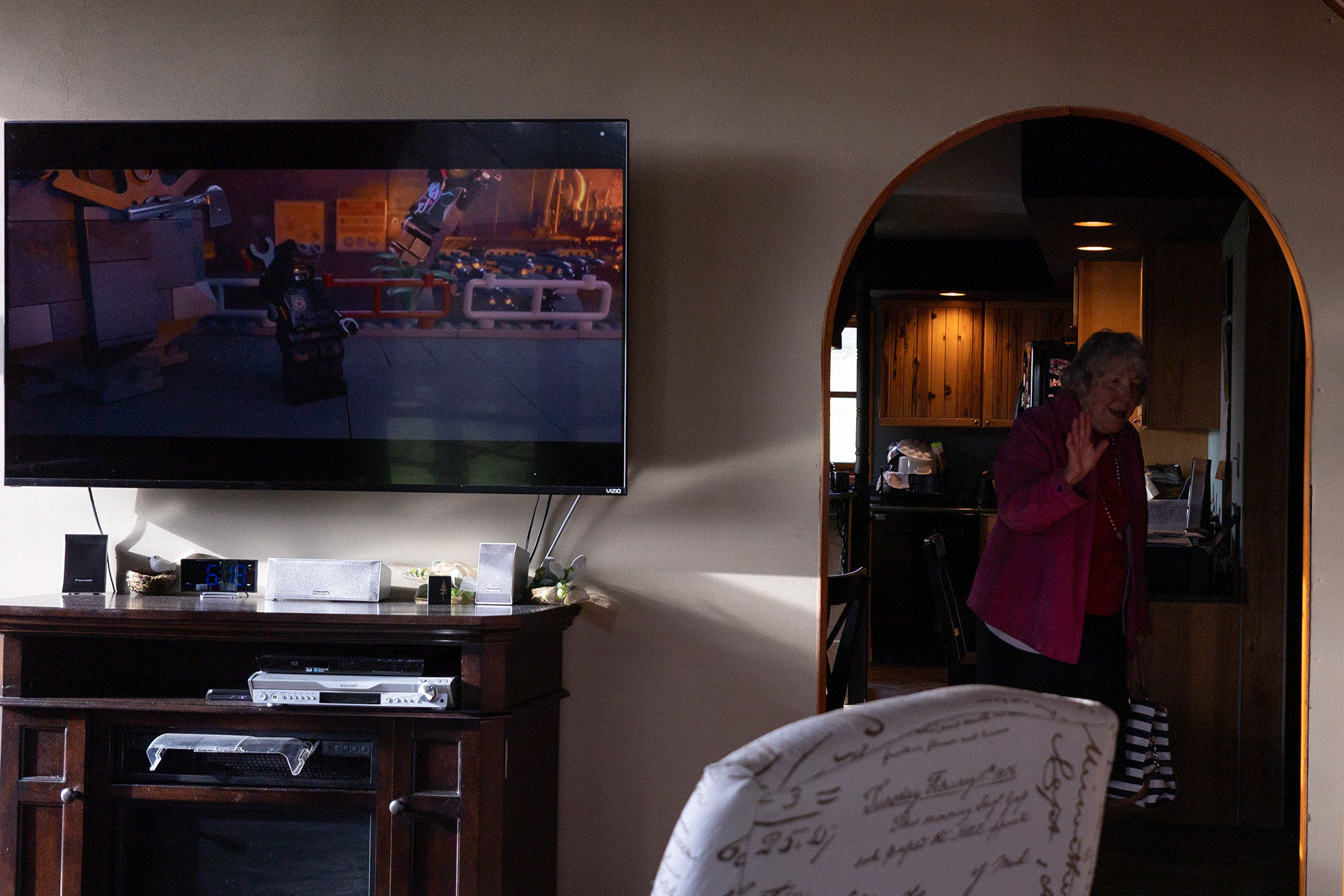
This is home.
Talitha Maloy
_________________________________________________________________________________________________________________